
Non-Surgical Treatment: A Safer, Smarter Approach to Pain Relief at The Decompression Clinic
For many individuals living with chronic back pain, neck pain, or nerve-related conditions, the thought of surgery can be overwhelming. Surgical procedures often come with risks, long recovery times, and uncertain outcomes. Yet, pain that interferes with daily life demands attention and effective care. Fortunately, modern healthcare offers powerful alternatives. Non-surgical treatment has emerged as a highly effective and safer approach for managing spinal conditions while supporting the body’s natural healing process.
At The Decompression Clinic, non-surgical treatment is the cornerstone of care. The clinic’s philosophy focuses on identifying the root cause of pain and addressing it through advanced, drug-free, and non-invasive methods—helping patients recover without the risks associated with surgery.
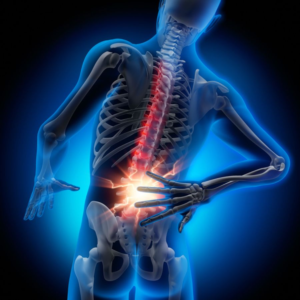
Understanding Non-Surgical Treatment
Non-surgical treatment refers to therapeutic approaches that relieve pain, restore function, and improve quality of life without invasive procedures. Instead of cutting, implanting, or permanently altering the body, these methods work with the body’s natural mechanics to promote healing and stability.
Non-surgical treatments are designed to:
01.
Reduce pain and inflammation
02.
Restore movement and flexibility
03.
Relieve nerve compression
04.
Improve posture and alignment
05.
Strengthen supporting muscles
06.
Prevent future injuries
For many spinal conditions, non-surgical treatment is not only effective but often the preferred first line of care.
Why Avoid Surgery When Possible?
While surgery can be necessary in severe cases, it is not always the best or only solution. Many spinal surgeries carry risks such as infection, scar tissue formation, nerve damage, and prolonged rehabilitation. In some cases, surgery may not fully resolve pain or may lead to additional procedures later.
Common concerns with spinal surgery include:
- Long recovery periods
- Dependence on pain medication
- Limited mobility during healing
- Potential complications
- Irreversible changes to the spine
Non-surgical treatment offers a way to address pain while minimizing these risks and preserving natural spinal structure.
Common Conditions Treated Without Surgery
At The Decompression Clinic, non-surgical treatment is commonly used to address:
- Herniated or bulging discs
- Degenerative disc disease
- Sciatica and nerve compression
- Chronic neck and lower back pain
- Pinched nerves
- Postural spinal stress
- Facet joint dysfunction
- Repetitive strain injuries
Many of these conditions respond well to conservative care when properly diagnosed and treated.
Spinal Decompression Therapy: A Core Non-Surgical Solution
One of the most effective non-surgical treatments offered at The Decompression Clinic is spinal decompression therapy. This advanced therapy directly targets disc and nerve-related issues that often cause chronic pain.
How Spinal Decompression Therapy Works
Spinal decompression therapy uses a specialized, computer-controlled table to gently stretch the spine. This process creates negative pressure within the spinal discs, which helps:
Reduce pressure on compressed nerves
Retract bulging or herniated disc material
Improve blood flow and nutrient delivery to discs
Promote disc rehydration and healing
Restore proper spinal alignment
Unlike traditional traction, spinal decompression is precise, customized, and comfortable—making it suitable for many patients who want to avoid surgery.
The Non-Surgical Healing Process
Non-surgical treatment focuses on gradual, sustainable improvement rather than instant but temporary relief. At The Decompression Clinic, this process involves several key stages:
1. Comprehensive Evaluation
Every patient begins with a detailed assessment, including medical history, spinal evaluation, posture analysis, and movement assessment. This allows providers to identify the true source of pain and create a targeted treatment plan.
2. Personalized Treatment Plan
No two patients are alike. Treatment plans are customized based on the individual’s condition, lifestyle, and recovery goals. This ensures optimal outcomes without unnecessary interventions.
3. Progressive Care
As pain decreases, treatment evolves to focus on restoring strength, mobility, and function. This progression helps ensure long-term results and reduces the risk of recurrence.
Posture Correction and Ergonomic Support
Poor posture is a leading cause of spinal pain and disc compression. Non-surgical treatment includes education and exercises to improve posture and biomechanics.
Patients learn how to:
- Sit, stand, and move with proper alignment
- Set up ergonomic workstations
- Reduce spinal stress during daily activities
- Protect the spine during lifting and bending
These adjustments play a critical role in long-term pain prevention.
Who Is a Good Candidate for Non-Surgical Treatment?
Non-surgical treatment is ideal for individuals who:
- Have chronic or recurring spinal pain
- Want to avoid surgery or injections
- Have not responded to traditional treatments
- Are seeking a conservative, natural approach
- Want to improve function and quality of life
A professional evaluation at The Decompression Clinic ensures that non-surgical care is appropriate and effective for each patient.
A Patient-Centered Philosophy
At The Decompression Clinic, non-surgical treatment is delivered with a patient-first mindset. Patients are active participants in their care, learning how to protect their spine and maintain results beyond the clinic.
Education, consistency, and personalized care are key components of successful non-surgical outcomes.
Functional Rehabilitation as a Non-Surgical Strategy
Functional rehabilitation is a vital part of non-surgical treatment. Pain often alters movement patterns, leading to muscle imbalances and increased stress on the spine.
Rehabilitation focuses on:
- Core strengthening
- Mobility and flexibility training
- Neuromuscular retraining
- Balance and coordination
- Safe movement mechanics
By restoring proper movement, functional rehabilitation supports spinal stability and enhances the benefits of decompression therapy.
Benefits of Non-Surgical Treatment
Choosing non-surgical treatment at The Decompression Clinic offers numerous advantages:
- Reduced pain without invasive procedures
- No surgical risks or anesthesia
- Faster recovery time
- Improved mobility and function
- Lower dependence on medications
- Preservation of natural spinal structure
- Long-lasting results
Non-surgical care empowers patients to heal naturally while remaining active in their daily lives.
Breaking the Cycle of Chronic Pain
Many patients fall into a cycle of pain management—temporary relief followed by recurring discomfort. Non-surgical treatment focuses on breaking this cycle by addressing the underlying causes of pain rather than chasing symptoms.
By combining spinal decompression therapy, functional rehabilitation, posture correction, and patient education, long-term improvement becomes achievable.
Long-Term Wellness Through Non-Surgical Care
Non-surgical treatment is not just about pain relief—it’s about restoring confidence in movement and supporting lifelong spinal health. When the body functions properly, pain naturally diminishes, and quality of life improves.
Through ongoing guidance and preventive strategies, patients are equipped to maintain spinal health long after treatment ends.
Conclusion
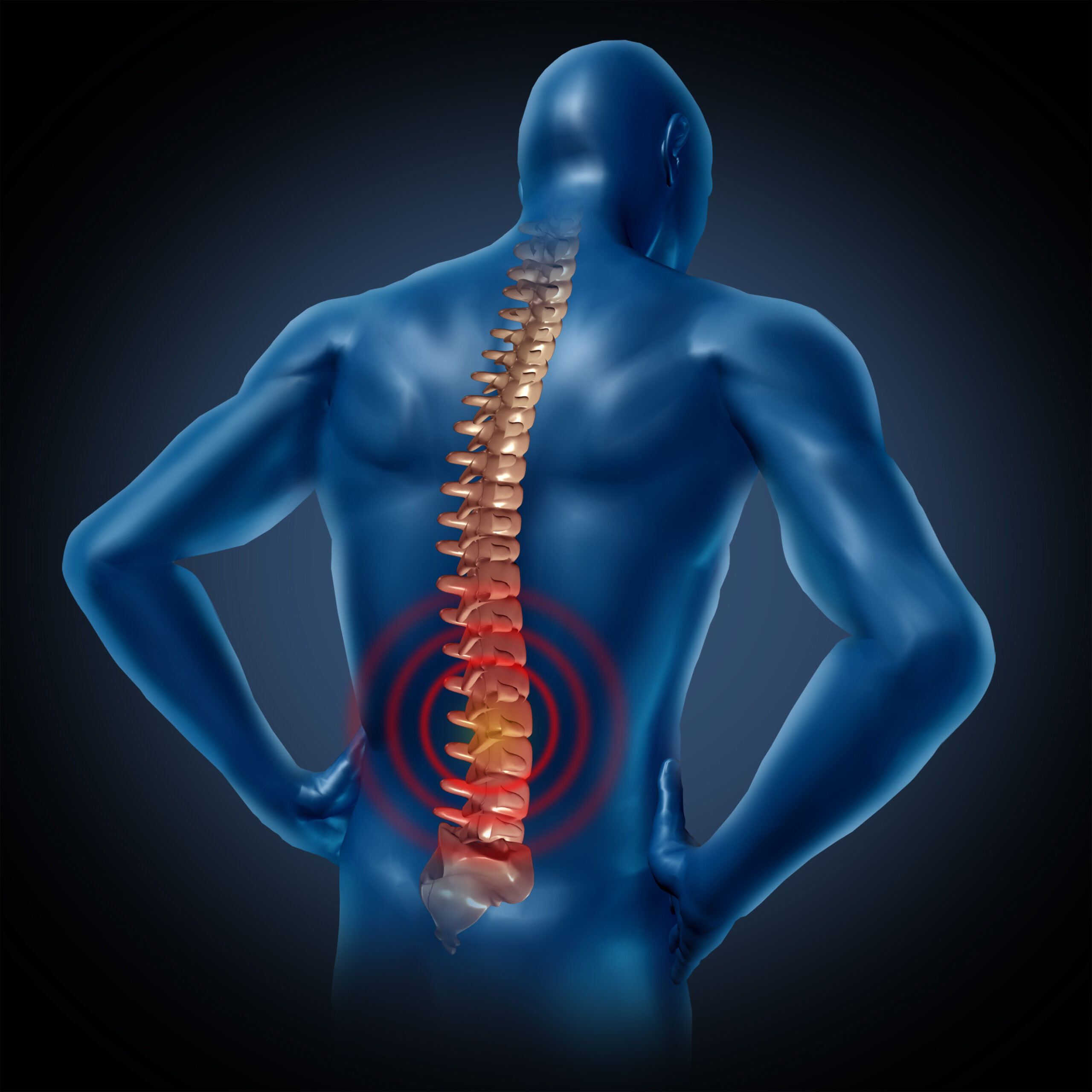
Non-surgical treatment offers a safe, effective, and empowering alternative for individuals suffering from spinal pain and dysfunction. By addressing the root cause of pain and supporting the body’s natural healing abilities, non-surgical care provides lasting relief without the risks of surgery.
At The Decompression Clinic, advanced non-surgical treatments—led by spinal decompression therapy and functional rehabilitation—help patients move beyond pain and reclaim their lives. If you are seeking a smarter, safer approach to healing, non-surgical treatment may be the path forward.