
Neck Pain: Causes, Symptoms, and Modern Non-Surgical Solutions (Including Spinal Decompression)
Neck pain is one of the most widespread musculoskeletal conditions affecting millions of people around the world. Whether it’s an occasional ache after a long day at the computer, pain from a sports injury, or persistent chronic discomfort that limits movement, neck pain can significantly reduce quality of life and interfere with everyday activity.
This article explores the causes and symptoms of neck pain, explains how medical professionals evaluate and treat it, and highlights cutting-edge non-surgical approaches — including spinal decompression therapy, a treatment offered at specialized clinics like The Decompression Clinic.

Understanding Pain in the Neck: What Is Neck Pain?
“Neck pain” refers to discomfort anywhere along the cervical spine, which consists of seven small vertebrae extending from the skull to the upper back. Because the neck is both highly mobile and responsible for supporting the head, it is vulnerable to strain, injury, and chronic degeneration.
Pain can be mild and short-lived, or it can become chronic and debilitating — especially when underlying structural issues, nerve compression, or disc problems are involved.
Neck pain can be broadly categorized in terms of duration:
01.
Acute neck pain
Lasts a few days up to six weeks; often linked to minor injury or strain.
02.
Chronic neck pain
Persists for more than three months; could be related to degenerative changes, nerve compression, or repetitive stress.
Common Causes of Neck Pain
Neck pain can arise from a wide range of causes — many of which involve muscular, skeletal, neurological, or lifestyle factors.
1. Muscle Strain & Overuse
Everyday activities such as prolonged desk work, smartphone use, or poor posture can strain the muscles supporting the neck. This is often termed “tech neck”, where forward head posture increases stress on cervical vertebrae and soft tissues.
2. Degenerative Disc Disease & Cervical Spondylosis
With age, the discs in the cervical spine can lose hydration and elasticity, leading to degenerative disc disease and cervical spondylosis — a type of arthritis that causes pain, stiffness, and reduced mobility. Bone spur formation and joint degeneration can also contribute to nerve compression.
3. Herniated or Bulging Discs
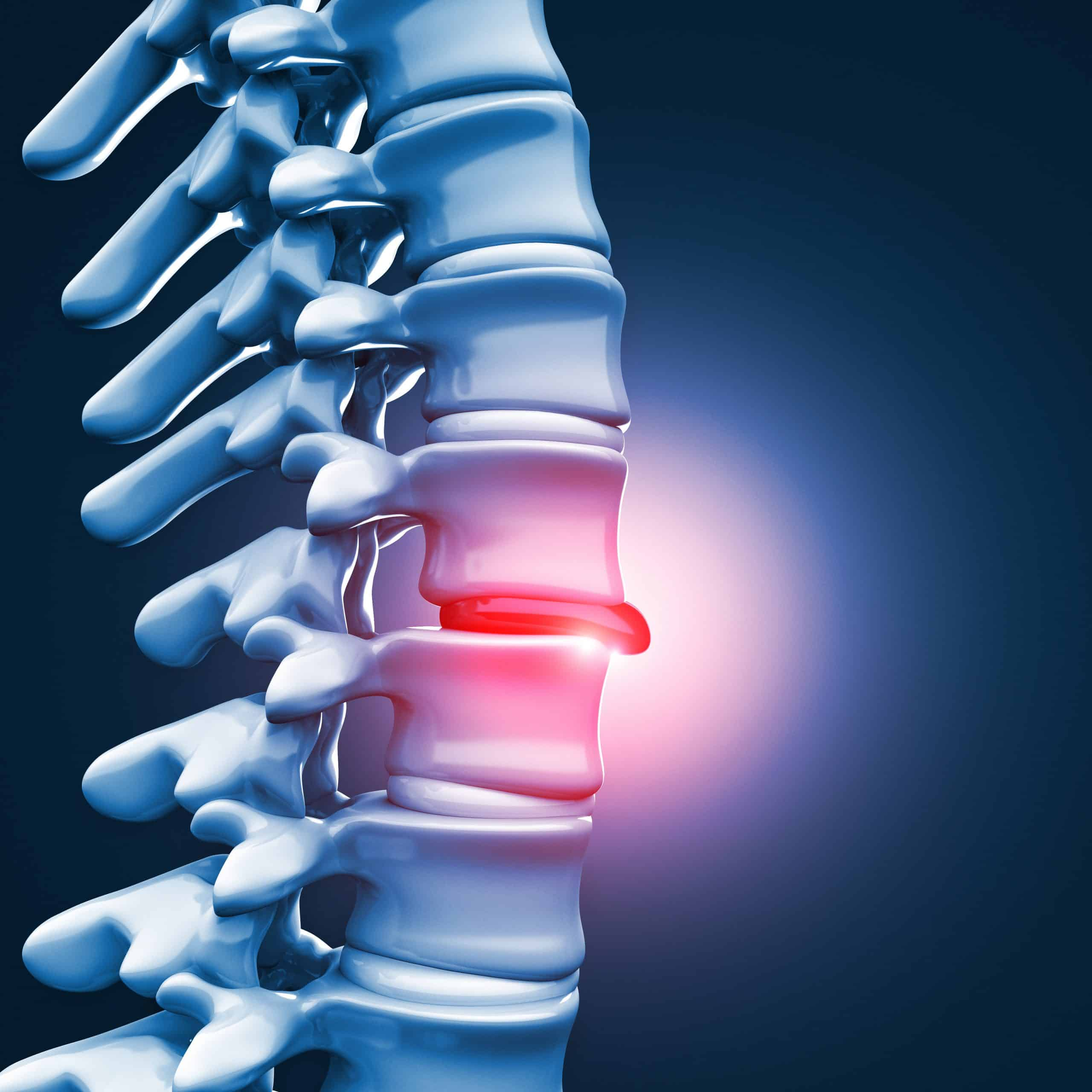
Like the lower back, the neck can develop disc herniations or bulging discs that press on adjacent nerves. When this happens, pain may radiate into the shoulders, arms, or hands.
4. Nerve Compression (Cervical Radiculopathy)
When a nerve root is compressed as it exits the cervical spine, a condition called cervical radiculopathy can develop. This leads to symptoms such as radiating pain, numbness, tingling, and weakness in the arm or hand.
5. Cervical Spinal Stenosis & Myelopathy
Spinal stenosis occurs when the spinal canal narrows, possibly compressing the spinal cord itself. This can cause neck pain and neurological symptoms like balance issues or hand dysfunction — particularly in severe cases of cervical myelopathy.
6. Injury (Whiplash & Trauma)
Accidents or sudden movements of the head (like whiplash from a car crash) can injure ligaments, discs, or joints in the neck, leading to both acute and chronic pain.
7. Poor Posture & Ergonomic Issues
Extended periods of poor posture — especially while using computers or mobile devices — places uneven stress on the cervical spine, promoting muscle fatigue and structural strain.
8. Less Common Causes
In rare cases, neck pain may be related to infection, inflammatory diseases like ankylosing spondylitis, or serious neurological disorders. Always consult a medical provider if you have severe or progressive symptoms.
How Neck Pain Is Evaluated
When you visit a healthcare provider for neck pain, the assessment typically involves:
1. Medical History and Symptom Evaluation
Providers review when symptoms started, what worsens or relieves them, occupational and lifestyle factors, and any previous injuries.
2. Physical Examination
A clinician will assess posture, range of motion, neurologic function, and muscular tenderness.
3. Imaging Tests
- X-rays — show bone alignment and degenerative changes.
- MRI — evaluates soft tissues like discs, spinal cord, and nerves.
- CT scan — detailed images of vertebrae and bony structures.
Spinal Decompression Therapy: A Modern Non-Surgical Option
One of the non-surgical treatments growing in popularity for both back and neck pain is spinal decompression therapy — a specialized approach used at clinics like The Decompression Clinic.
What Is Spinal Decompression?
Spinal decompression is a non-invasive, drug-free therapy designed to relieve pressure on spinal discs and nerves. It works by gently stretching the spine using a motorized, computer-controlled traction table that creates negative pressure between vertebrae. This encourages herniated or bulging discs to retract and allows nutrients and fluids to move into the disc space, which can promote healing.
Unlike surgery, decompression does not involve incisions, anesthesia, or prolonged recovery time — and it can be an effective alternative for many people with chronic symptoms.
A comprehensive evaluation — including spinal imaging if available — helps clinicians determine whether decompression is both safe and appropriate for a specific individual.
Symptoms Beyond Pain
Neck pain can present with a variety of symptoms beyond a simple ache:
- Stiffness and reduced range of motion
- Radiating pain into shoulders or arms
- Numbness, tingling, or burning sensations
- Muscle spasms
- Headaches originating at the base of the skull
- Weakness in arms or hands
- Balance issues or neurological changes (in severe spinal cord compression)
Persistent or worsening symptoms — especially those involving neurological changes — warrant urgent medical evaluation.
Conventional Treatments for Neck Pain
Treatment varies based on the cause and severity of symptoms. It typically begins with conservative, non-invasive options:
1. Physical Therapy & Exercise
A structured physical therapy plan strengthens neck muscles, improves posture, and restores mobility.
2. Medications
Non-steroidal anti-inflammatory drugs (NSAIDs), muscle relaxants, and topical analgesics may be used for short-term relief.
3. Postural Correction & Ergonomics
Improving workstation setup and daily posture can significantly reduce strain on the neck.
4. Manual Therapy
Techniques such as chiropractic adjustment, massage, or myofascial release may complement other treatments.
5. Injections
For persistent nerve compression pain, steroid injections may temporarily reduce inflammation.
6. Surgery for Severe Cases
Surgical options — such as decompression procedures (e.g., laminectomy) or spinal fusion — may be necessary for significant nerve or cord compression when other therapies fail. These are typically last-resort treatments after a thorough evaluation.
How Spinal Decompression Helps With Neck Pain
Spinal decompression specifically targets the cervical spine (the neck region) when treating neck pain. This form of cervical decompression works by:
- Taking pressure off compressed cervical discs
- Improving blood flow and nutrient delivery to damaged spinal tissues
- Reducing nerve irritation caused by herniated or bulging discs
- Alleviating muscle tension and stiffness
- Enhancing spinal motion and reducing discomfort during movement
By addressing the mechanical cause of pain rather than just symptoms, spinal decompression may provide longer-term relief — especially for those with disc-related issues.
Who Is a Good Candidate for Cervical Decompression?
Spinal decompression may be recommended for people experiencing:
- Chronic neck pain that hasn’t improved with conservative care
- Herniated or bulging cervical discs
- Nerve compression symptoms (e.g., pain radiating into the arms, numbness)
- Neck stiffness and limited mobility
- Degenerative disc disease of the cervical spine
What to Expect During Treatment
At clinics like The Decompression Clinic, the process typically involves:
Detailed Consultation
Review of symptoms, medical history, and spinal evaluation.
Customized Treatment Plan
A decompression protocol tailored to your condition.
Decompression Sessions
The patient lies comfortably on a specialized device while gentle traction is applied. Sessions usually last 20–45 minutes and are repeated over several weeks.
Monitoring & Adjustments
Progress is regularly assessed and protocols adjusted for optimal results.
Most patients can return to their normal activities immediately after a session, and many experience noticeable improvement over time.
Integrating Decompression With Other Therapies
While spinal decompression can be highly effective, integrating additional care such as:
- Strengthening exercises
- Postural training
- Manual physical therapy
- Ergonomic correction
can enhance results and help maintain long-term neck health.
When to Seek Medical Help
While many causes of neck pain are benign and treatable with conservative care, immediate professional evaluation is recommended if:
- Pain follows trauma or injury
- Symptoms include weakness, numbness, or loss of coordination
- Pain doesn’t improve after a few weeks of care
- You experience balance problems or significant functional limitations
Early diagnosis and treatment often result in better outcomes.
Lifestyle Tips for Preventing and Managing Neck Pain
Beyond clinical treatments, daily habits make a big difference:
01.
Practice good posture
avoid slouching or forward head tilt.
02.
Take frequent breaks
from sitting or device use.
03.
Hold screens at eye level
to reduce forward bend.
04.
Strengthen neck and upper back muscles
with guided exercises.
05.
Use supportive pillows
during sleep to maintain cervical alignment.
Adopting these habits can reduce strain and help prevent neck pain from recurring.
Conclusion
Neck pain is a common condition with a wide range of causes, from simple muscular strain to more complex structural issues like herniated discs and nerve compression. While initial treatment often includes conservative care like physical therapy and postural correction, persistent or chronic symptoms require a deeper evaluation and targeted approach.
Spinal decompression therapy — as offered by clinics like The Decompression Clinic — provides a powerful, non-surgical, drug-free option that focuses on relieving pressure within the cervical spine, promoting healing, and restoring mobility without the risks of surgery.
Combined with lifestyle changes, therapeutic exercises, and a comprehensive pain management plan, spinal decompression can be a major step forward on the path to a pain-free neck and a better quality of life.