
Bulging Discs: What They Are, Why They Happen, and How Spinal Decompression Can Help
Bulging discs are a common spinal condition that affects millions of people worldwide. Whether triggered by aging, lifestyle factors, injury, or repetitive strain, bulging discs can cause significant discomfort and limit everyday movement. For many suffering individuals, understanding what bulging discs are and how they affect the spine is the first step toward effective treatment and long-lasting relief.
In this article, we’ll explore what bulging discs are, how they develop, their symptoms, ways they’re diagnosed and treated, and how spinal decompression therapy — particularly as practiced at specialized centers such as The Decompression Clinic — can be a powerful non-surgical option for managing this condition.
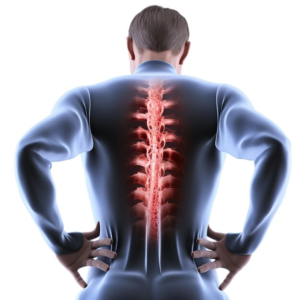
What Is a Bulging Disc?
Our spine consists of stacked bones called vertebrae, and between each pair of vertebrae sits a soft, flexible cushion known as an intervertebral disc. These discs act as shock absorbers, helping the spine bend, twist, and support our body weight.
A bulging disc occurs when the outer layer (annulus fibrosus) of the disc weakens and starts to protrude outward beyond its normal boundary. Unlike a herniated disc — where the inner gel-like core ruptures through the outer layer — a bulging disc maintains an intact outer membrane, but the disc bulges outward further than it should.
Disc bulges often involve multiple spinal levels and may remain asymptomatic for a long time. However, if the bulging disc presses on nearby spinal nerves or the spinal cord itself, it can lead to pain and neurological symptoms.
Causes of Bulging Discs
Several factors contribute to the development of bulging discs. While some are related to normal aging, others involve lifestyle, injury, or mechanical stresses.
01.
Age-Related Degeneration
As we age, spinal discs naturally lose water content and elasticity, making them less resilient and more prone to bulging under pressure. This degenerative process is one of the most common causes of disc bulges.
02.
Poor Posture
Sitting for long periods with poor posture — such as slouching or leaning forward — places uneven stress on spinal discs, accelerating bulging and degeneration over time.
03.
Sedentary Lifestyle & Weak Core Muscles
Limited physical activity weakens the muscles that support the spine. A weak core means your spine bears more pressure during everyday movements, increasing risk for disc bulges.
04.
Repetitive Strain & Heavy Lifting
Jobs or activities that involve constant bending, twisting, or heavy lifting can hasten disc wear and cause micro-injuries that lead to bulging.
05.
Obesity
Carrying excess body weight — especially around the abdomen — increases spinal load and can hasten degeneration and disc bulging.
06.
Trauma or Sudden Injury
Falls, car accidents, or sudden forceful movements can shift discs out of alignment, triggering a bulge.
07.
Smoking and Poor Disc Health
Smoking reduces blood flow to spinal tissues, depriving discs of nutrients needed to remain healthy, which can accelerate degeneration and bulging.
- FOR ASSISTANCE
Symptoms of a Bulging Disc
Not all bulging discs cause symptoms — some are discovered incidentally on imaging tests done for another reason. But when symptoms do occur, they typically relate to nerve compression or inflammation around the bulging disc.
1. Local Pain
Pain in the neck or lower back is common and may range from mild discomfort to sharp, persistent pain.
2. Radiating Pain
If the bulging disc presses on a spinal nerve root, pain can radiate — for example:
- Cervical (neck) bulge: pain radiating to shoulders, arms, or hands.
- Lumbar (lower back) bulge: pain radiating to buttocks, legs, or feet, often similar to sciatica.
3. Numbness, Tingling, or Weakness
Nerve irritation can cause sensations like “pins and needles” or numbness in the limbs. Weakness in affected muscles is also possible.
4. Worsening Symptoms with Movement
Bending, lifting, sitting, or coughing may exacerbate pain as pressure on the nerve increases.
5. Reduced Mobility and Function
Stiffness and discomfort can reduce flexibility and limit physical activity.
How Bulging Discs Are Diagnosed
Doctors typically diagnose bulging discs using a combination of:
1. Clinical Examination
A physical exam assesses posture, range of motion, reflexes, muscle strength, and neurological symptoms.
2. Imaging Tests
- MRI (Magnetic Resonance Imaging): Provides detailed images of soft tissues and disc abnormalities.
- X-rays: Show structural alignment and signs of degeneration.
- CT scans or nerve studies (when needed): Help confirm nerve involvement.
An accurate diagnosis ensures the most effective treatment plan is chosen.
Conservative Treatment Options
Most bulging discs are first managed with conservative (non-surgical) treatments aimed at relieving pain and restoring function:
1. Physical Therapy
A structured program strengthens core muscles, improves posture, and alleviates pressure on spinal discs.
2. Pain Relief Measures
Heat or ice therapy, gentle stretching, and over-the-counter pain relievers can reduce muscle tension and inflammation.
3. Postural Correction and Ergonomics
Ergonomic adjustments at work and home and better postural habits reduce strain on the spine.
4. Activity Modification
Avoiding activities that aggravate symptoms helps the disc heal gradually.
5. Spinal Injections
In certain cases, steroid injections may reduce inflammation and relieve nerve irritation.
6. Surgery (when necessary)
If conservative care fails and neurological symptoms worsen, surgical interventions may be considered. However, non-surgical options are often effective and are explored first.
Spinal Decompression Therapy: A Modern Approach
One non-surgical treatment gaining credibility for bulging discs is spinal decompression therapy — a gentle, targeted method that focuses on relieving pressure within spinal discs and on nerve roots. This is one of the key therapies offered at The Decompression Clinic and similar specialized centers.
What Is Spinal Decompression?
Spinal decompression uses a computer-controlled traction table that gently stretches and relaxes the spine in a controlled manner. This process:
Reduces pressure on bulging or degenerated discs
Creates a negative pressure (vacuum effect) inside the discs
Encourages displaced disc material to move back toward the center
Relieves pressure on irritated nerve roots
Enhances blood flow and nutrient delivery to improve natural healing processes
By taking pressure off the discs and nerves, spinal decompression addresses the mechanical cause of pain rather than merely treating symptoms.
How Spinal Decompression Helps Bulging Discs
1. Pain Relief and Nerve Decompression
By creating space between vertebrae and reducing disc pressure, decompression alleviates nerve compression, leading to reduced pain and improved mobility.
2. Promoting Disc Health
The negative pressure helps reabsorb bulging disc material and stimulate circulation of oxygen and nutrients, which supports healing.
3. Non-Surgical & Drug-Free
Unlike invasive surgery, decompression is a non-invasive, drug-free approach — ideal for those seeking safer alternatives with minimal downtime.
4. Reduced Risk of Recurrence
Addressing root mechanical issues can reduce the likelihood of future recurrence if combined with appropriate rehabilitation and lifestyle changes.
What Happens During Treatment?
Initial Consultation and Evaluation
First, a clinician reviews your medical history, symptoms, and spinal health. Imaging results are examined if available.
Customized Treatment Protocol
A treatment plan is designed based on your specific condition — including how severe the disc bulge is and how long symptoms have persisted.
Decompression Sessions
During therapy sessions, you lie on a specialized decompression table while gentle traction is applied. The spine experiences controlled stretching and relaxation, which creates space between vertebrae and reduces disc pressure.
Integration with Other Therapies
Spinal decompression is often combined with corrective exercises, posture training, and soft tissue therapies to enhance results and prevent recurrence.
Is Spinal Decompression Right for You?
At The Decompression Clinic, trained specialists typically begin with a comprehensive spinal evaluation, including posture, range of motion, and nerve function assessments. Imaging results (such as MRI or X-rays) are reviewed when available to tailor a personalized treatment plan.
Signs that spinal decompression may be appropriate include:
- Chronic back or neck pain
- Numbness, tingling, or weakness in arms or legs
- Pain that worsens with sitting, standing, or bending
- Desire for a non-surgical treatment option
- Previous treatments that provided partial or temporary relief
Recovery and Expectations
Results are typically gradual. Many patients notice reduced pain within a few sessions, while full benefits often emerge over several weeks of consistent treatment. Combining decompression with daily habit changes — posture correction, core strengthening, ergonomic improvements — improves long-term outcomes.
Lifestyle Strategies for Preventing Recurrence
In addition to therapeutic care, long-term spinal health depends on lifestyle choices:
01.
1. Maintain Good Posture
Proper spinal alignment reduces stress on discs during daily activities.
02.
Strengthen Core Muscles
Strong abdominal and back muscles support the spine and reduce mechanical stress on discs.
03.
Stay Active
Regular low-impact exercise — such as walking, swimming, or yoga — encourages circulation and reduces stiffness.
04.
Ergonomic Adjustments
Optimized workstations, supportive chairs, and correct lifting techniques all help reduce disc strain.
05.
Healthy Weight & Nutrition
Maintaining a healthy weight reduces spinal load, and a nutrient-rich diet supports overall tissue health.
Conclusion
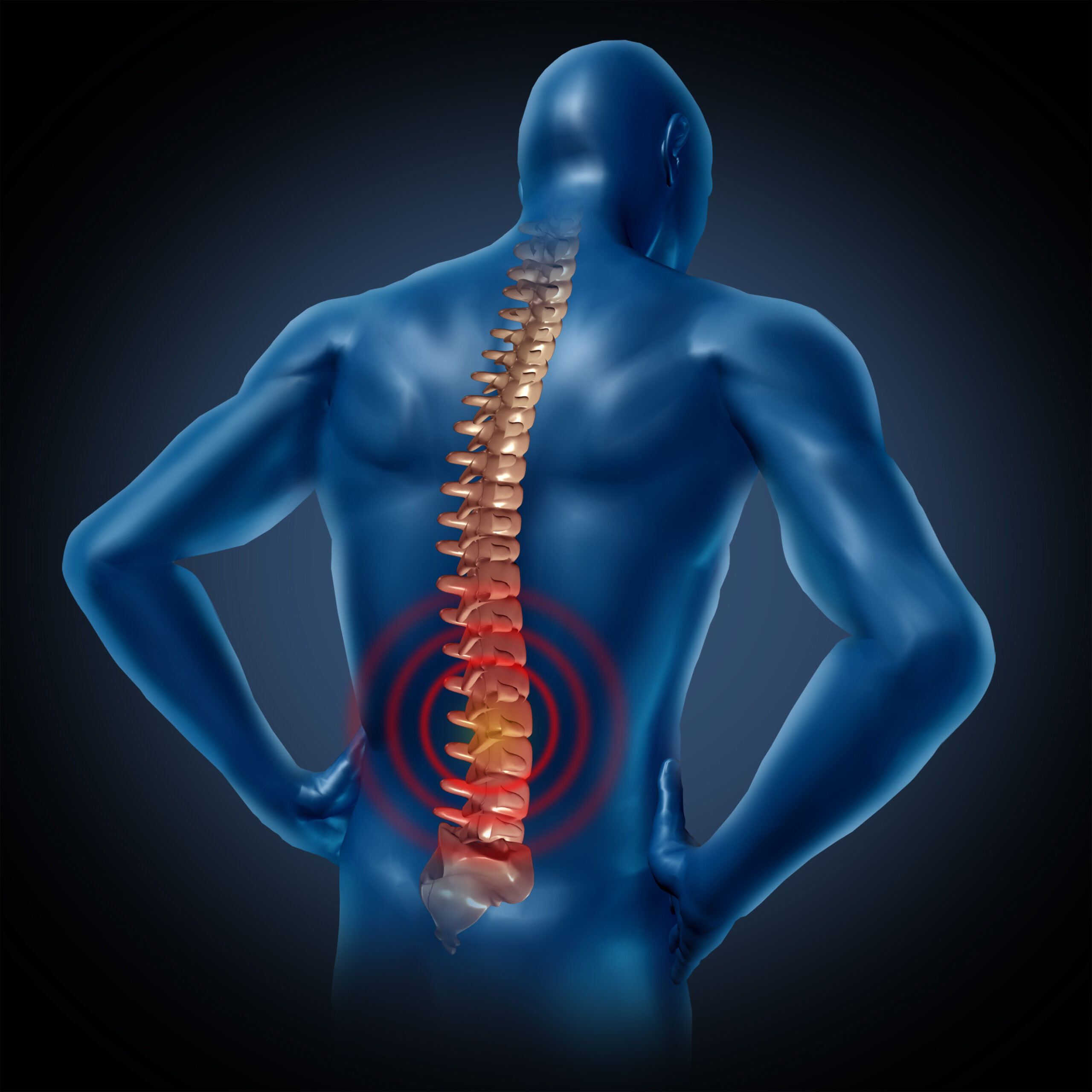
Bulging discs are a common spinal issue that can range from symptom-free to severely painful, depending on whether adjacent nerves are compressed. Understanding the causes and symptoms of bulging discs helps individuals seek timely treatment rather than ignoring warning signs that may worsen over time.
While conservative measures like physical therapy, posture changes, and pain relief are foundational, spinal decompression therapy offers a modern, non-surgical approach that addresses the root mechanical causes of pain. By gently stretching the spine to reduce pressure on bulging discs and nerves, spinal decompression helps alleviate pain, promote healing, and restore function with minimal risk and downtime.
For many patients, especially those seeking a non-surgical, drug-free option, spinal decompression is a compelling choice — one that can be life-changing when delivered through a tailored, professional care plan at clinics like The Decompression Clinic.