
Improve Mobility: How Spinal Decompression Works to Restore Movement and Enhance Quality of Life
Mobility — the simple ability to bend, twist, walk, and engage in everyday activities — is something most of us take for granted. But when chronic back or neck pain sets in, even basic movements can become difficult, restricted, and painful. Limited mobility doesn’t just impact physical comfort; it affects mental well-being, independence, and overall quality of life.
Among the many treatments available for spinal conditions, spinal decompression therapy has emerged as a leading non-surgical approach that targets the underlying mechanical causes of pain and restricted movement. This therapy supports improved mobility by alleviating pressure on spinal structures, restoring normal function, and promoting natural healing.
In this comprehensive article, you’ll learn how spinal decompression works, how it directly contributes to improved mobility, the conditions it can help, what to expect during treatment, and why this approach is becoming a sought-after alternative to surgery and long-term medication.
What Is Spinal Decompression Therapy?
Spinal decompression is a non-invasive, drug-free therapy designed to relieve pressure on spinal discs, vertebrae, and nerve roots. It uses a specialized table or mechanical device to gently stretch and elongate the spine under controlled conditions. This stretching creates a negative pressure (or vacuum effect) within the intervertebral discs, which encourages:
01.
bulging or herniated disc material to retract back toward its normal position
02.
improved nutrient and fluid flow into disc spaces
03.
reduced pressure on nearby nerves
04.
reduced inflammation and muscle tension
Together, these effects can help restore natural spinal mechanics and function and address pain at its source rather than merely masking symptoms.
Why Mobility Matters — and How Spinal Issues Restrict It
The spine is central to how our body moves. It supports posture, protects the spinal cord, and allows a wide range of motion — from bending and twisting to turning and lifting. Its vertebrae are cushioned by intervertebral discs that act as shock absorbers.
However, factors such as aging, poor posture, injury, repetitive strain, degenerative disc disease, or bulging/herniated discs can disrupt normal spinal mechanics. These conditions can lead to:
- Disc compression
- Nerve irritation (e.g., sciatica)
- Muscle spasms and stiffness
- Reduced range of motion
- Inflammation and pain
Pain itself motivates the body to guard or limit movement, leading to further stiffness and reduced mobility. The result is a vicious cycle of pain restricting motion, which in turn worsens flexibility and function.
Spinal decompression aims to interrupt this cycle by addressing the mechanical causes of restriction and pain — promoting restoration of mobility rather than simply alleviating symptoms.
The Mechanics Behind Spinal Decompression
To truly appreciate how spinal decompression improves mobility, it helps to understand its biomechanical effects on the spine.
1. Reducing Intradiscal Pressure
Spinal decompression gently stretches the spine, increasing the space between vertebrae and creating negative pressure inside the spinal discs. This pressure change:
- allows bulging nuclei (the gel-like core of the disc) to shift inward
- reduces pressure on spinal nerves
- reduces irritation that contributes to stiffness and pain
As pressure decreases, nerve-related pain melts away and the spine can move more freely.
2. Encouraging Disc Hydration and Nutrient Flow
Healthy discs need oxygen, water, and nutrients to maintain flexibility. When discs are compressed, hydration decreases, and they lose height and cushioning ability. Decompression’s negative pressure encourages:
- fluid influx into the disc
- rehydration and improved disc shock absorption
- nutrient delivery that supports tissue repair
This improved disc health makes the spine more resilient and mobile.
3. Restoring Joint Function and Reducing Tension
Reduced pressure on the discs also reduces tension in the surrounding muscles, ligaments, and facet joints. As muscles relax and inflammation diminishes:
- joint stiffness decreases
- pain-related guarding diminishes
- range of motion naturally improves
Reduced muscle tension means movement becomes less restricted — making bending, twisting, and reaching easier and more comfortable.
How Spinal Decompression Directly Improves Mobility
Simply put, spinal decompression supports mobility in several interconnected ways:
1. Pain Relief Enables Movement
Chronic pain often leads to restricted movement because the nervous system associates motion with discomfort. Spinal decompression reduces pain by alleviating nerve compression and inflammation. With less pain, patients are naturally more inclined to move — breaking the cycle of immobility and stiffness.
2. Reduction of Compensatory Movement Patterns
When one area of the spine is painful or stiff, the body often compensates by shifting weight or movement patterns to other areas. This can lead to inefficient or harmful movement habits. Spinal decompression helps normalize spinal function, encouraging more balanced movement patterns.
3. More Space for Vertebrae and Nerve Roots
By gently elongating the spine and increasing disc height, decompression creates more space for nerve roots to pass through exit points between vertebrae. This reduces numbness, tingling, or pain that often prevents full movement and flexibility.
4. Restored Disc Function Leads to Better Range of Motion
A rehydrated, healthier disc can cushion better between vertebrae, improving shock absorption and joint mobility. Over time, this can restore a more normal range of motion in the spine and surrounding joints.
5. Enhanced Flexibility and Flexion
When the spine is less compressed and muscles are less tense, joints become more flexible. Improved flexibility translates into greater ability to bend, twist, and reach during everyday activities — whether it’s picking up an object, walking without pain, or engaging in exercise.
Conditions Where Improved Mobility Is a Key Outcome
Spinal decompression is often recommended for conditions that typically impair mobility:
01.
Herniated or Bulging Discs
Bulging discs can compress nerves and create stiffness. Decompression can help retract bulging material and reduce nerve pressure, leading to greater freedom of movement.
02.
Degenerative Disc Disease
With degeneration, discs lose height and hydration. Decompression’s negative-pressure effect encourages disc hydration and nutrient flow, preserving disc height and improving joint mobility.
03.
Sciatica
Sciatic nerve irritation leads to pain that radiates down the leg and can severely limit mobility. By reducing nerve pressure, decompression can significantly reduce sciatic symptoms and support easier movement.
04.
Spinal Stenosis
In this condition, narrowing of the spinal canal compresses nerves and limits mobility. Gentle decompression helps create space within the spinal canal and relieve pressure, supporting improved movement for daily activities.
What Happens During a Spinal Decompression Session?
Understanding the process can ease any concerns or uncertainties about treatment.
Initial Consultation and Assessment
Before starting, a clinician reviews your medical history, symptoms, imaging results (like MRI or X-ray), and mobility limitations. This helps tailor the treatment to your specific needs.
Patient Positioning
You’ll lie comfortably on a specialized decompression table. A harness is placed around your pelvis or torso depending on the treatment area (neck or lower back).
Controlled Decompression Cycles
The machine applies gentle, computer-controlled stretching to targeted spinal segments. The traction is slow, relaxed, and designed to avoid muscle guarding or reflexive tightening.
Treatment Duration and Frequency
Each session typically lasts about 20–45 minutes, and a full treatment course may involve multiple sessions per week over several weeks.
Most patients feel a gentle stretch rather than discomfort, and many describe the experience as relaxing.
Making the Most of Improved Mobility: Complementary Strategies
Spinal decompression can be more effective when combined with other supportive practices:
Physical Therapy Exercises
Strengthening the core and back muscles helps support your spine, maintain flexibility, and reduce future strain.
Postural Education
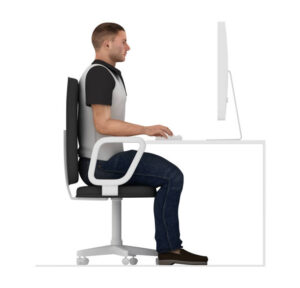
Proper posture while standing, sitting, and moving reduces load on the spine and protects gains in mobility.
Stretching Routines
Gentle stretching routines targeting the back, hips, and hamstrings support sustained flexibility and movement.
Ergonomic Adjustments
Workstation and daily habit adjustments — such as proper chair height or lifting techniques — help maintain mobility and reduce stress on the spine.
Is Spinal Decompression Right for You?
Spinal decompression is suitable for many individuals with spine-related mobility issues, especially those who:
- Want to avoid surgery or long-term pain medication
- Are dealing with chronic back or neck pain
- Experience restricted range of motion
- Have conditions like herniated discs, sciatica, or degenerative disc disease
However, not everyone is an ideal candidate. A thorough clinical evaluation is essential to confirm suitability and tailor an effective treatment plan.
Conclusion: A Path to Moving Better and Living Better
Improved mobility isn’t just about moving without pain — it’s about reclaiming the freedom to live a full, active, and unrestricted life. Spinal decompression therapy offers a targeted, non-invasive way to address the mechanical root causes of reduced mobility by relieving pressure on discs and nerves, restoring anatomical function, and promoting genuine healing.
Across multiple spinal conditions, patients often experience:
- reduced pain
- increased flexibility
- restored range of motion
- enhanced capacity for daily activities
- better posture and spinal health
Whether you’re struggling with everyday discomfort or limited movement due to chronic spinal issues, spinal decompression represents a promising approach to move more freely and live more fully.