
Promote the Body’s Natural Healing Response: How Spinal Decompression Works
In this article, we’ll explore:
What Is Spinal Decompression Therapy?
Spinal decompression therapy is a non-invasive treatment designed to reduce pressure on spinal discs, nerves, and other structures by gently stretching the spine using a specialized table or traction system. Unlike traditional surgical procedures, it does not involve incisions, anesthesia, or long recovery times. Instead, it works by creating a biomechanical environment that supports healing and repair.
At clinics like The Decompression Clinic, spinal decompression systems are used to target specific areas of the spine where compression has disrupted normal function, leading to pain, reduced mobility, and impaired healing.
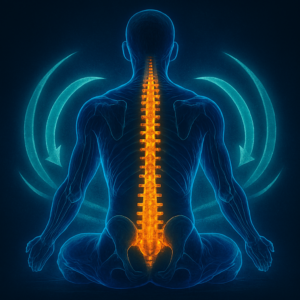
Correct posture allows the body to move naturally while reducing unnecessary pressure on spinal discs, muscles, and ligaments. Poor posture, on the other hand, creates chronic stress that gradually leads to pain, stiffness, nerve compression, and degenerative spinal conditions.
The Science Behind Natural Healing
The body has a remarkable ability to heal itself. When tissues are injured, whether from trauma, degeneration, or chronic stress, a cascade of biological processes is triggered:
- Inflammation begins to remove damaged cells
- Blood flow increases to deliver oxygen and nutrients
- Immune cells go to work rebuilding tissue
- Collagen and cellular repair processes restore structure
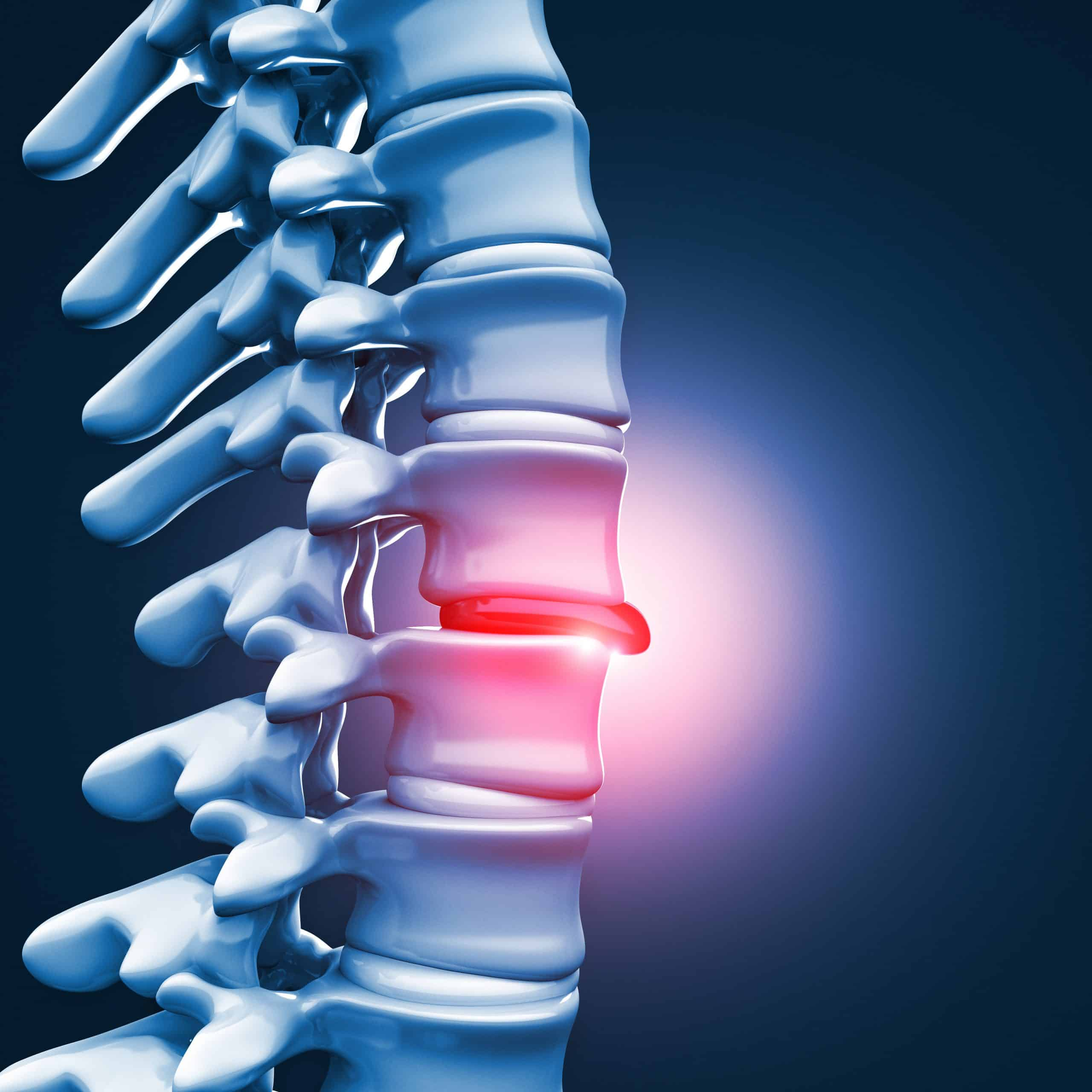
However, in the spine, this natural healing can be hindered when structures are compressed, dehydrated, or misaligned. Intervertebral discs — the cushions between vertebrae — do not have a direct blood supply, so they rely on diffusion of fluids and nutrients from surrounding tissues to stay healthy. This process is driven largely by motion and pressure changes within the spine — something that chronic compression interferes with.
Spinal decompression therapy restores a mechanical and physiological state that encourages these natural processes to occur more effectively.
Detailed Mechanisms of the Healing Response
Here’s a more detailed look at how decompression fosters the body’s natural healing:
A. Enhanced Blood Flow and Nutrient Delivery
When spinal decompression reduces pressure on discs and surrounding tissues, blood circulation improves. Better blood flow means:
- More oxygen delivered to tissues
- Faster removal of metabolic waste
- Increased delivery of growth factors and nutrients
These factors support cell regeneration and accelerate recovery in injured areas.
B. Encouraged Disc Regeneration and Recovery
The changes in pressure and fluid dynamics fostered by decompression also stimulate:
- Disc fiber repair
- Rehydration of the nucleus pulposus (the gel-like center of the disc)
- Reduction of annular stress around tears or bulges
This influx of fluid and nutrients enables the disc’s natural reparative cells to function more effectively.
C. Improved Nerve Function and Communication
Compressed nerves transmit pain signals and can disrupt normal sensory and motor function. Decompression reduces this interference, which helps restore:
- Nerve signaling balance
- Motor control in surrounding muscles
- Sympathetic-parasympathetic nervous system coordination
Improved nerve function enables the body to better regulate inflammatory responses and healing processes.
D. Facilitated Realignment and Motion Patterns
Chronic spinal compression often alters normal movement patterns and posture. Decompression encourages:
- Proper spinal alignment
- Balanced muscle activation
- Reduced compensatory tension patterns
These structural improvements give the body a better mechanical environment to heal in — encouraging continued natural restoration long after therapy ends.
How Spinal Decompression Works to Promote Natural Healing
At its core, spinal decompression operates through several key mechanisms that directly enhance the body’s innate capacity to heal itself:
1. Creating Negative Pressure Inside Discs
A major goal of spinal decompression is to create a negative intradiscal pressure — a slight vacuum effect — within the intervertebral discs. This negative pressure helps:
- Draw bulging or herniated disc material inward, reducing pressure on nearby nerves
- Encourage inflow of fluids, oxygen, and essential nutrients back into the disc
- Stimulate diffusion processes that support tissue repair and regeneration
Because discs are relatively avascular (lacking blood vessels), this negative pressure-mediated nutrient flow is critical for healing.
2. Reducing Pressure on Nerves and Tissues
Chronic compression of spinal discs and nerves can amplify pain, reduce mobility, and trigger prolonged inflammation. When decompression gently stretches the spine and reduces this pressure:
- Pain signals decrease
- Nerve function improves
- Inflammation is reduced
- Circulation to surrounding tissues enhances
This decrease in compression allows the body’s healing processes to proceed unhindered by continued mechanical irritation.
3. Restoring Disc Hydration and Nutrient Exchange
Healthy discs maintain height and cushioning ability through proper hydration and nutrient flow. However, when discs are compressed due to injury or degeneration, they lose hydration and become less resilient.
Spinal decompression:
- Helps restore disc height and hydration
- Encourages exchange of nutrients and waste products
- Facilitates delivery of oxygen and healing substances
This diffusion-based exchange is fundamental for the biochemical reactions that underpin tissue repair and cell regeneration.
4. Reducing Inflammation and Muscle Tension
Inflammation near compressed nerves contributes to pain, stiffness, and restricted movement. By reducing disc pressure and nerve irritation, decompression indirectly helps lower local inflammation. As nerves signal less distress:
- Muscle spasms ease
- Tissue stress decreases
- The body can focus on healing rather than ongoing defense
This reduction in inflammation further enhances the immune system’s ability to repair tissues efficiently.
Conditions That Benefit from Healing-Focused Decompression
Spinal decompression therapy is especially valuable for conditions where natural healing is impeded by mechanical stress and pressure, including:
- Herniated or bulging discs — where internal disc material presses on nerves
- Degenerative disc disease — where disc hydration and structure are compromised
- Sciatica — nerve compression-related pain radiating down legs
- Pinched nerves — which impair nerve signaling and healing
- Chronic low back or neck pain — persistent pain exacerbated by continued pressure
By addressing the mechanical source of irritation and facilitating healing, decompression can often bring long-term relief and functional improvement.
How Decompression Complements the Body’s Healing Strategies
Spinal decompression works best when integrated into a holistic recovery plan, including:
Nutrition that supports tissue repair
Postural training to maintain alignment
Stretching and flexibility exercises
Balanced activity and rest schedules
Physical therapy to strengthen supportive muscles
This multimodal approach ensures the structural benefits of decompression translate into lasting functional improvements.
What Happens During a Spinal Decompression Session?
Here’s what patients can expect during typical spinal decompression therapy:
1. Evaluation and Customization
Before starting, a clinician reviews medical history, symptoms, and imaging (if available) to tailor the decompression parameters — including angle, tension, and target spinal region.
2. Comfortable Positioning
You lie on a specialized decompression table — either face up or down — depending on the area treated. Harnesses secure your pelvis and torso so the traction applied is precise and controlled, not forceful.
3. Controlled Decompression Cycles
During each session (typically 20–45 minutes):
- The table gently stretches the spine in cycles of pull and release
- Negative pressure is created inside the discs
- Fluid exchange and nutrient flow are encouraged
- Pain-generating pressure decreases gradually
Patients usually only feel a mild stretching sensation and can relax during treatment.
4. Repeated Sessions for Cumulative Healing
Most treatment plans involve a course of sessions over several weeks. Healing — like any biological process — is gradual, and consistent decompression allows regional changes in pressure dynamics and tissue repair to build progressively.
Benefits and Long-Term Healing Outcomes
Many patients experience:
- Reduced pain and inflammation
- Improved mobility and flexibility
- Reduced nerve irritation symptoms
- Enhanced tissue regeneration
- Better overall spinal health
Because decompression supports innate healing processes rather than suppressing symptoms alone, results often improve over time and require less reliance on long-term medication or invasive procedures.
Safety, Considerations, and Who Should Avoid It
While spinal decompression is generally safe for many people, it isn’t suitable for everyone. Those with:
- Severe osteoporosis
- Certain spinal fractures
- Tumors or infections
- Pregnancy
- Severe nerve damage
You should consult a clinician before beginning therapy. A professional evaluation ensures decompression is used appropriately and safely.
Conclusion: Supporting the Body’s Own Wisdom
The body is designed to heal itself — but structural impediments like spinal compression can slow, distort, or interrupt that process. Spinal decompression therapy removes those mechanical barriers, enabling biological processes like nutrient exchange, circulation, inflammation control, and cellular repair to work more effectively.
Whether you’re struggling with chronic back pain, disc injury, sciatica, or nerve compression, spinal decompression offers a non-surgical, natural way to support healing at the source — not just treat symptoms. When combined with targeted physical therapy and lifestyle support, it gives your body the environment it needs to heal, adapt, and regain function.