
Sciatica Is a Painful Condition: Causes, Symptoms, and Effective Treatment Options
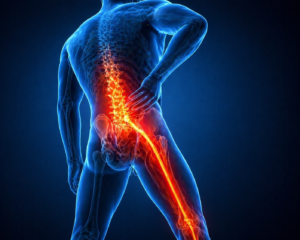
Sciatica is a painful condition that affects millions of people worldwide and can significantly interfere with daily life. It occurs when the sciatic nerve—the longest nerve in the body—becomes irritated, inflamed, or compressed. This nerve begins in the lower back and travels through the hips, buttocks, and down each leg. When something presses on this nerve or its roots, it can trigger sharp or burning pain that radiates from the lower back to the leg.
Although sciatica is commonly referred to as a medical condition, it is actually a symptom of an underlying issue involving the spine or nerves. The pain can range from mild discomfort to severe, debilitating sensations that affect mobility, sleep, and overall quality of life. Understanding the causes, symptoms, and treatment options for sciatica is essential for managing the condition and preventing it from worsening.
What Is Sciatica?
Sciatica refers to nerve pain caused by irritation or compression of the sciatic nerve. People with this condition usually feel pain that starts in the lower back or buttocks and travels down the leg along the path of the nerve. In many cases, the discomfort affects only one side of the body.
The pain associated with sciatica can feel different for each individual. Some people experience a dull ache, while others describe sharp, burning, or electric-like sensations that shoot down the leg. The pain may worsen during activities such as bending, coughing, sneezing, or sitting for long periods.
In addition to pain, sciatica can cause numbness, tingling, or muscle weakness in the affected leg or foot. These symptoms occur because the irritated nerve cannot properly transmit signals between the brain and the muscles.
Correct posture allows the body to move naturally while reducing unnecessary pressure on spinal discs, muscles, and ligaments. Poor posture, on the other hand, creates chronic stress that gradually leads to pain, stiffness, nerve compression, and degenerative spinal conditions.
How the Sciatic Nerve Works
The sciatic nerve originates from several nerve roots in the lower spine. These nerve roots combine to form a large nerve that travels through the pelvis and down the back of the legs. Because it is responsible for controlling muscles in the legs and transmitting sensations from the lower body, any pressure or irritation along this pathway can lead to discomfort and neurological symptoms.
When the nerve becomes compressed, the signals between the brain and the legs become disrupted. This disruption causes the characteristic symptoms of sciatica, including pain, tingling, and weakness.
How Sciatica Impacts Daily Life
Sciatica can have a major impact on daily activities. People suffering from this condition may find it difficult to sit comfortably, walk long distances, or perform routine tasks. In severe cases, the pain may interfere with work, exercise, and sleep.
Chronic sciatica can also affect mental health. Persistent pain may lead to frustration, stress, and reduced quality of life. Therefore, addressing the condition early is essential to prevent long-term complications.
Common Causes of Sciatica
Sciatica usually develops due to underlying spinal problems that place pressure on the nerve roots. Several conditions are commonly responsible for this compression.
Herniated or Bulging Discs
One of the most frequent causes of sciatica is a herniated or bulging disc in the lower spine. Spinal discs act as cushions between the vertebrae, absorbing shock during movement. Over time, these discs may weaken or rupture, causing the inner material to push outward. When this occurs, the protruding disc can press on nearby nerves, including the sciatic nerve roots, resulting in radiating pain down the leg.
Spinal Stenosis
Spinal stenosis occurs when the spinal canal narrows, reducing the space available for the nerves. This narrowing can place pressure on the sciatic nerve roots, causing pain and discomfort that travels into the leg.
Degenerative Disc Disease
As people age, spinal discs naturally lose water content and flexibility. This degeneration can cause discs to shrink or deteriorate, increasing the risk of nerve compression and sciatica symptoms.
Bone Spurs
Bone spurs are abnormal bony growths that develop along the edges of vertebrae. These growths can irritate or compress nearby nerves, contributing to sciatic nerve pain.
Spondylolisthesis
This condition occurs when one vertebra slips forward over another. The misalignment can place pressure on nerve roots in the lower spine, triggering sciatica.
Injury or Trauma
Accidents, falls, or sports injuries can damage the spine and surrounding tissues. Such trauma may lead to inflammation or nerve compression, resulting in sciatica symptoms.
Symptoms of Sciatica
Sciatica symptoms can vary depending on the severity of the nerve compression and the underlying cause. However, several signs are commonly reported.
1. Radiating Pain
The most noticeable symptom is pain that travels from the lower back through the buttocks and down one leg. The pain may feel sharp, burning, or electric-like and may worsen during movement.
2. Tingling Sensations
Many individuals experience a tingling or “pins and needles” feeling in the leg or foot. This occurs when the irritated nerve sends abnormal signals to the brain.
3. Numbness
Compression of the sciatic nerve can reduce sensation in parts of the leg or foot. This numbness may make it difficult to feel temperature changes or touch.
4. Muscle Weakness
Because the sciatic nerve controls several muscles in the legs, compression may cause weakness or difficulty moving the leg properly.
5. Increased Pain with Movement
Activities such as bending, twisting, lifting, or sitting for long periods can aggravate the condition and intensify the pain.
Treatment Options for Sciatica
Fortunately, many people find relief from sciatica through conservative, non-surgical treatments. The appropriate treatment depends on the severity of the symptoms and the underlying cause.
1. Physical Therapy
Physical therapy is often recommended as a first-line treatment. Therapists guide patients through exercises that strengthen the core muscles, improve flexibility, and reduce pressure on the sciatic nerve.
Stretching exercises for the hamstrings, lower back, and hips can help relieve nerve compression and improve mobility.
2. Medications
Over-the-counter pain relievers and anti-inflammatory medications can reduce inflammation and provide temporary relief from pain. In some cases, doctors may prescribe stronger medications if symptoms are severe.
3. Spinal Decompression Therapy
Spinal decompression therapy is a non-surgical treatment designed to relieve pressure on the spine and nerves. This therapy gently stretches the spine using specialized equipment, creating negative pressure within the spinal discs.
The process can help reposition herniated or bulging discs and improve blood flow and nutrient delivery to spinal tissues, promoting natural healing.
Many clinics use decompression therapy to address conditions such as herniated discs, sciatica, and chronic back pain without requiring surgery.
4. Lifestyle Modifications
Making simple lifestyle changes can significantly reduce sciatica symptoms and prevent future flare-ups. These changes may include:
- Maintaining good posture
- Avoiding prolonged sitting
- Using proper lifting techniques
- Maintaining a healthy weight
- Staying physically active
Regular exercise helps strengthen the muscles that support the spine and reduces the risk of nerve compression.
5. Surgery (In Severe Cases)
Most cases of sciatica improve with conservative treatment, but surgery may be necessary if the nerve compression is severe or if symptoms persist for several months. Surgical procedures aim to remove the source of pressure on the nerve, such as a herniated disc or bone spur.
Preventing Sciatica
Although sciatica cannot always be prevented, several steps can reduce the risk of developing it:
- Exercise regularly to strengthen the core and back muscles
- Maintain good posture when sitting and standing
- Avoid heavy lifting or use proper lifting techniques
- Take breaks from prolonged sitting
- Maintain a healthy weight to reduce stress on the spine
By keeping the spine healthy and strong, individuals can reduce the likelihood of experiencing sciatic nerve pain.
Conclusion
Sciatica is a painful condition that occurs when the sciatic nerve becomes irritated or compressed. The condition typically causes radiating pain from the lower back through the buttocks and down the leg, often accompanied by numbness, tingling, or muscle weakness.
Although sciatica can significantly disrupt daily life, many cases improve with non-surgical treatments such as physical therapy, spinal decompression therapy, and lifestyle adjustments. Early diagnosis and proper care are essential for relieving pain and preventing long-term complications.
If you are experiencing persistent lower back or leg pain, seeking professional evaluation can help identify the underlying cause and guide you toward effective treatment. With the right approach, many people can find lasting relief and return to a more active, pain-free lifestyle.