Spinal Pain: Causes, Symptoms, and Effective Treatment Options
Spinal pain is one of the most common health complaints worldwide, affecting millions of people across all age groups. Whether it appears as a dull ache in the lower back, stiffness in the neck, or sharp radiating pain down the limbs, spinal pain can significantly disrupt daily life and overall well-being.
Understanding the root causes, symptoms, and available treatment options is essential for managing spinal pain effectively and preventing long-term complications.
What Is Spinal Pain?
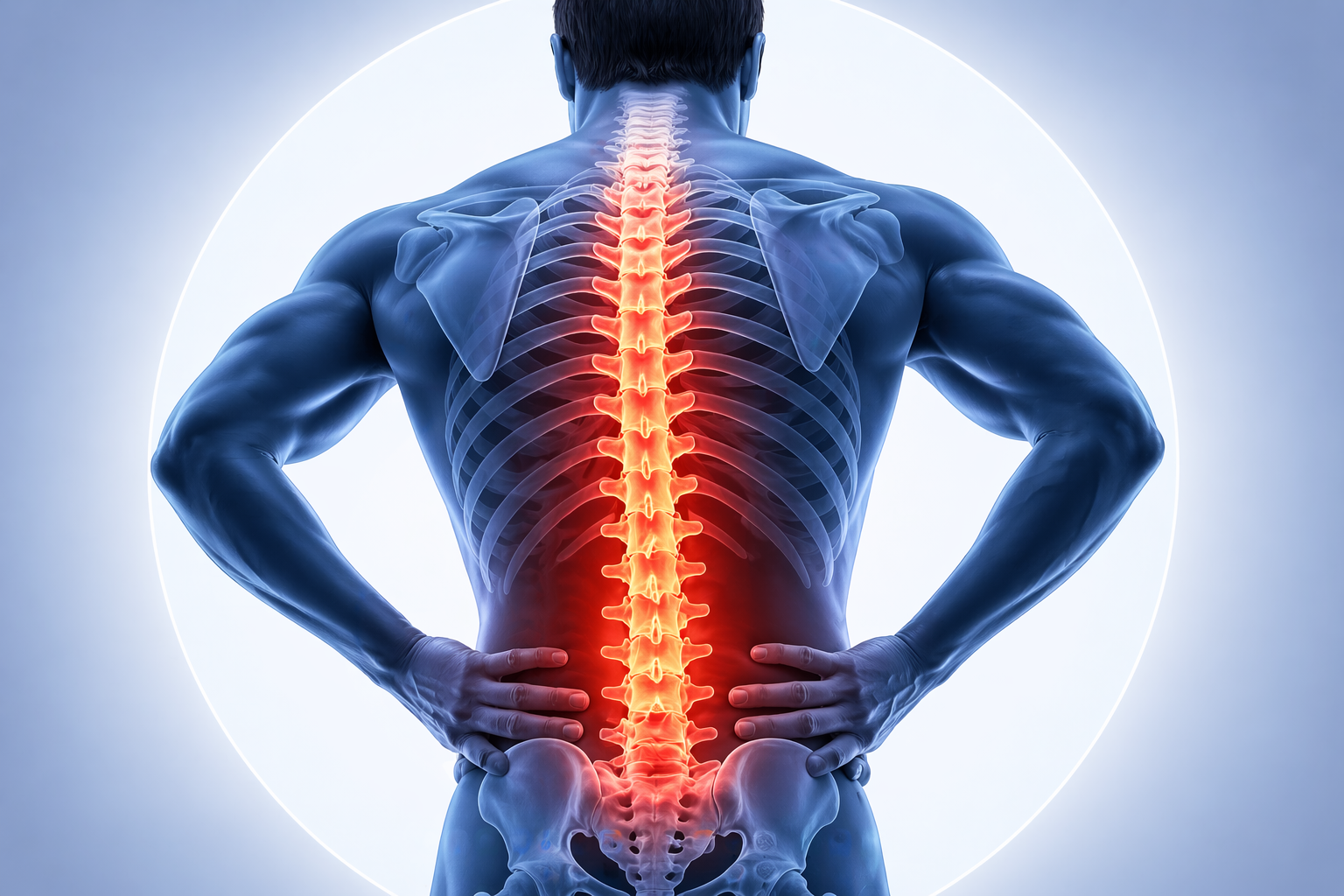
Spinal pain refers to discomfort that originates from any part of the spine, including the cervical (neck), thoracic (mid-back), or lumbar (lower back) regions. The spine is a complex structure made up of bones (vertebrae), discs, muscles, ligaments, and nerves, all working together to support movement and stability.
When any of these components become damaged or strained, it can lead to pain and reduced mobility.

Common Causes of Spinal Pain
Spinal pain can arise from a variety of conditions, ranging from temporary muscle strain to chronic degenerative diseases.
Muscle Strain and Ligament Sprain
Overuse, sudden movements, or improper lifting techniques can strain muscles and ligaments, leading to pain and stiffness.
Herniated or Bulging Discs
Spinal discs act as cushions between vertebrae. When they bulge or rupture, they can press on nearby nerves, causing pain and discomfort.
Degenerative Disc Disease
With age, spinal discs lose hydration and flexibility, leading to wear and tear that can cause chronic pain.
Spinal Stenosis
This condition involves narrowing of the spinal canal, which puts pressure on the spinal cord and nerves.
Poor Posture
Prolonged sitting, slouching, or improper ergonomics can strain the spine over time.
Injuries and Trauma
Accidents, falls, or sports injuries can damage spinal structures, leading to acute or chronic pain.
Nerve Compression
Conditions like sciatica occur when nerves are compressed, causing radiating pain, numbness, or tingling sensations.
Types of Spinal Pain
Spinal pain can be classified based on its location:
Neck Pain (Cervical Spine)
This type of pain occurs in the upper part of the spine and may be caused by poor posture, muscle strain, or nerve compression.
Upper and Mid-Back Pain (Thoracic Spine)
Less common than lower back pain, this type is often linked to poor posture, injuries, or muscle tension.
Lower Back Pain (Lumbar Spine)
The most common form of spinal pain, lower back pain can result from heavy lifting, prolonged sitting, or degenerative conditions.
Symptoms of Spinal Pain
The symptoms of spinal pain vary depending on the underlying cause and severity.
Common Symptoms Include:
01.
Persistent aching or stiffness
02.
Sharp or shooting pain
03.
Limited range of motion
04.
Muscle spasms
05.
Pain that worsens with movement
06.
Radiating pain to arms or legs
Neurological Symptoms:
01.
Numbness or tingling
02.
Weakness in muscles
03.
Burning sensation along nerves
Severe symptoms, such as loss of bladder or bowel control, require immediate medical attention.
Treatment Options for Spinal Pain
Treatment depends on the cause, severity, and duration of symptoms. Most cases improve with non-surgical methods.
Conservative Treatments
1. Rest and Activity Modification
Short-term rest can help reduce inflammation, but staying active is important for recovery.
2. Medications
Common medications include:
- Anti-inflammatory drugs
- Pain relievers
- Muscle relaxants
These provide temporary relief but should be used under medical supervision.
3. Physical Therapy
Physical therapy plays a crucial role in recovery by:
- Strengthening core and back muscles
- Improving flexibility
- Correcting posture
Regular exercise helps prevent recurrence.
4. Heat and Cold Therapy
- Cold packs reduce inflammation
- Heat therapy relaxes muscles and improves circulation
Injection-Based Treatments
When conservative treatments are not enough, doctors may recommend:
- Epidural steroid injections
- Facet joint injections
These help reduce inflammation and pain but are usually temporary solutions.
Surgical Treatment
Surgery is considered when:
- Pain persists despite other treatments
- There is significant nerve damage
- Mobility is severely affected
Common procedures include:
- Discectomy
- Laminectomy
- Spinal fusion
While surgery can be effective, it involves longer recovery and potential risks.
Advanced Non-Surgical Treatment: Spinal Decompression Therapy
One of the most effective modern treatments for spinal pain is spinal decompression therapy.
What Is Spinal Decompression?
Spinal decompression is a non-invasive therapy that gently stretches the spine using specialized equipment. This process creates negative pressure within the discs, helping to relieve pressure on nerves.
How It Helps
Spinal decompression can:
- Reduce pressure on spinal discs
- Promote healing of damaged discs
- Improve blood flow and nutrient exchange
- Relieve nerve compression
Conditions Treated
- Herniated or bulging discs
- Sciatica
- Degenerative disc disease
- Chronic back or neck pain
Benefits
- Non-surgical and drug-free
- Minimal downtime
- Targets the root cause of pain
- Improves mobility and quality of life
For many patients, it provides long-term relief without the risks of surgery.
Lifestyle Changes for Managing Spinal Pain
Long-term management of spinal pain requires healthy lifestyle habits.
01.
Maintain Proper Posture
Sit and stand with proper alignment to reduce strain on the spine.
02.
Exercise regularly
Low-impact exercises like walking, swimming, and yoga improve flexibility and strength.
03.
Strengthen core muscles
A strong core supports the spine and reduces the risk of injury.
04.
Maintain Healthy Weight
Excess weight puts additional pressure on the spine, especially the lower back.
05.
Use Ergonomic Furniture
Proper chairs, desks, and mattresses help maintain spinal alignment.
Diagnosis of Spinal Pain
Accurate diagnosis is essential for effective treatment. Healthcare providers may use:
- Physical examination to assess mobility and pain points
- X-rays to evaluate bone structure
- MRI or CT scans to view discs and nerves
- Nerve conduction studies to assess nerve function
Early diagnosis can help prevent the condition from worsening.
Prevention Tips
Preventing spinal pain is possible with simple daily habits:
- Lift objects properly (use your legs, not your back)
- Avoid prolonged sitting
- Take breaks during work
- Stay physically active
- Stretch regularly
When to See a Doctor
Seek medical attention if you experience:
- Persistent or worsening pain
- Pain lasting more than a few weeks
- Numbness or weakness
- Difficulty walking or standing
- Loss of bladder or bowel control
Early intervention can prevent serious complications
Conclusion: A Path to Moving Better and Living Better
Spinal pain is a common yet manageable condition that can affect every aspect of daily life. While it may range from mild discomfort to severe disability, a wide range of treatment options are available to address both symptoms and underlying causes.
From conservative methods like physical therapy and lifestyle changes to advanced treatments such as spinal decompression therapy, most individuals can find effective relief without surgery.
The key to recovery lies in early diagnosis, proper treatment, and maintaining a healthy lifestyle. By taking proactive steps, you can protect your spine, reduce pain, and improve your overall quality of life.