
Shockwave Therapy: A Modern Solution for Pain Relief and Healing
Pain, stiffness, and limited mobility are common complaints for millions of people. Whether caused by overuse injuries, chronic conditions, or repetitive strain, musculoskeletal pain can significantly impact quality of life. Fortunately, modern medicine offers an array of treatments to help patients find effective relief—one of which is shockwave therapy.
Shockwave therapy has emerged as a non‑invasive, evidence‑based treatment that accelerates healing, relieves pain, and improves function. But what exactly is shockwave therapy, how does it work, and who can benefit most from it? This comprehensive guide explores everything you need to know about shockwave therapy and why it has become a popular alternative to surgery and long‑term medication.
What Is Shockwave Therapy?
Shockwave therapy—also known as Extracorporeal Shock Wave Therapy (ESWT)—is a non‑invasive treatment that uses sound waves to stimulate healing in injured tissues. Initially developed for breaking up kidney stones (lithotripsy), shockwave technology has since been adapted to treat musculoskeletal disorders affecting muscles, tendons, ligaments, and bones.
Instead of surgery or prolonged medication, shockwave therapy helps the body heal by stimulating its natural regenerative processes.
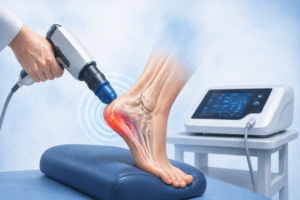
How Shockwave Therapy Works
Shockwave therapy delivers controlled, high‑energy sound waves into targeted areas of the body. These acoustic waves create microtrauma within injured tissues—this might sound counterintuitive, but the microtrauma triggers the body’s natural healing response, increasing:
- Blood flow and circulation
- Cellular metabolism
- Release of growth factors
- Tissue regeneration
At the same time, shockwaves help break down scar tissue, calcifications, and chronic adhesions, improving tissue flexibility and function.
In essence, shockwave therapy kick‑starts the body’s own repair mechanisms, helping injured tissues heal more effectively than with rest alone.
Who Is a Good Candidate for Shockwave Therapy?
Shockwave therapy is suitable for individuals who:
- Have chronic pain lasting more than three months
- Have not responded well to rest, medications, or physical therapy
- Want to avoid or postpone surgery
- Have conditions such as tendinopathy or plantar fasciitis
- Prefer a non‑invasive treatment approach
However, shockwave therapy may not be suitable for:
⚠ People with active infections
⚠ Those with blood clotting disorders
⚠ Pregnant individuals
⚠ Severe nerve damage or fractures
A professional evaluation is essential to determine appropriateness.
Conditions Treated with Shockwave Therapy
Shockwave therapy is widely used in treating both acute and chronic musculoskeletal conditions, including:
Plantar Fasciitis
One of the most common causes of heel pain, shockwave therapy can reduce inflammation and promote healing in plantar fascia tissues.
Tendinopathies
Including Achilles tendinopathy, patellar (knee) tendinopathy, and tennis elbow — shockwaves help break down tendon degeneration and stimulate regeneration.
Calcific Tendinitis
Calcium deposits in tendons (especially in the shoulder) can cause pain and stiffness; shockwaves can help break these deposits up.
Muscle Trigger Points
Painful muscle knots can be reduced as shockwave waves improve circulation and dissolve tight adhesions.
Chronic Back and Shoulder Pain
Shockwave therapy has shown promising results in addressing persistent pain associated with structural strain and repetitive use.
Benefits of Shockwave Therapy
Shockwave therapy offers several benefits that make it especially appealing:
Non‑Invasive
No incisions, anesthesia, or hospital stay required.
Promotes Natural Healing
Rather than masking symptoms with medication, it helps tissues regenerate.
Fast and Efficient
Sessions typically last 10–20 minutes, and many patients notice improvement within a few treatments.
Long‑Lasting Results
Improvements often persist well after the treatment course is complete.
Reduces Need for Surgery
For many chronic conditions, shockwave therapy may be a viable alternative to surgical intervention.
What to Expect During a Shockwave Therapy Session
A typical shockwave therapy session includes:
1. Assessment
A clinician evaluates your condition and identifies treatment areas.
2. Positioning
You lie comfortably while gel is applied to the skin.
3. Treatment
A handheld device delivers controlled shockwaves to targeted tissues.
4. Duration
Each session usually lasts 10–20 minutes.
4. Post‑Treatment
You can usually return to regular activities immediately.
Most treatment plans involve multiple sessions over several weeks to achieve optimal results.
Is Shockwave Therapy Covered by Insurance?
Coverage varies depending on the provider and the reason for treatment. Some health plans cover shockwave therapy when it’s medically indicated. It’s important to check with your insurance company before beginning treatment.
How Shockwave Therapy Helps the Body Heal
Shockwave therapy promotes healing in several key ways:
Stimulates Blood Flow and Circulation
Increased circulation brings oxygen and nutrients to damaged areas, speeding up recovery.
Disrupts Scar Tissue and Adhesions
Chronic injuries often develop scar tissue that limits mobility. Shockwaves help break this down
Induces Growth Factors
Shockwave therapy stimulates the release of growth factors that trigger tissue regeneration.
Reduces Pain Sensitivity
The treatment can desensitize nerve endings, leading to reduced pain perception.
Real Patient Experience
Many patients describe shockwave therapy as a turning point in their recovery:
“I had heel pain for years, and nothing helped — until shockwave therapy. After a few sessions, I finally started walking without pain.”
These testimonials reflect the growing success stories from patients who once faced chronic, unresolved pain.
Shockwave vs Traditional Treatment Options
Let’s compare shockwave therapy with other common pain relief approaches:
|
Treatment Type
|
Invasiveness
|
Time to Recovery
|
Targets Root Cause
|
Typical Duration
|
|---|---|---|---|---|
|
Shockwave Therapy
|
Non‑invasive
|
Minimal downtime
|
Yes
|
Weeks
|
|
Pain Medications
|
Non‑invasive
|
Immediate relief
|
No
|
Short term
|
|
Physical Therapy
|
Non‑invasive
|
Weeks to months
|
Yes
|
Several months
|
|
Steroid Injections
|
Minimally invasive
|
Days to weeks
|
Reduces inflammation
|
Temporary
|
|
Surgery
|
Invasive
|
Weeks to months
|
Structural correction
|
Long recovery
|
Shockwave therapy sits in the sweet spot between conservative care and surgery — non‑invasive yet capable of addressing deeper structural issues.
Safety and Side Effects
Shockwave therapy is generally considered safe for most people. Side effects are usually mild and temporary, such as:
- Redness at the treatment site
- Mild swelling
- Temporary increase in soreness
Most patients tolerate the treatment well and experience no lasting discomfort.
Real‑World Effectiveness: What Studies Show
Clinical research has supported the effectiveness of shockwave therapy for many conditions. Studies often show:
- Significant pain reduction in plantar fasciitis
- Improved tendon structure in chronic tendinopathies
- Enhanced function and flexibility
- Reduced need for more invasive treatments
While individual outcomes vary, many patients report meaningful improvements after a full course of treatment.
Pairing Shockwave Therapy with Other Treatments
For best results, shockwave therapy is often combined with:
01.
Physical therapy
02.
Postural correction
03.
Stretching and strengthening exercises
04.
Nutritional support
05.
Lifestyle modifications
This integrated approach accelerates healing and helps prevent recurrence.
What To Do After Shockwave Therapy
After treatment, most patients can:
01.
Resume daily activities
02.
Continue workouts with minimal modification
03.
Apply heat or ice if needed
04.
Attend follow‑up sessions as recommended
A complete treatment plan often involves a combination of shockwave therapy and supportive care.
Final Thoughts: A Smarter Path to Healing
Pain can be life‑limiting, but it doesn’t always require surgery or risky procedures to find relief. Shockwave therapy represents a modern, science‑based option that:
- Reduces pain naturally
- Promotes the body’s healing processes
- Improves mobility and function
- Reduces the need for invasive treatments
For individuals struggling with chronic musculoskeletal conditions, shockwave therapy offers hope — not just symptom control, but potential recovery and long‑term improvement.
Conclusion
Shockwave therapy is a powerful, non‑invasive approach to treating a wide range of musculoskeletal pain conditions. By stimulating the body’s natural healing mechanisms, improving circulation, reducing scar tissue, and addressing underlying issues, shockwave therapy can help patients achieve lasting relief without surgery.
Whether you’re dealing with tendon pain, muscle injury, or chronic inflammation, shockwave therapy may offer the breakthrough your body needs to heal.