
Chiropractic Decompression Therapy: A Non-Surgical Approach to Spinal Pain Relief
Back and neck pain are among the most common health complaints worldwide, affecting people of all ages and lifestyles. Long hours of sitting, poor posture, injuries, and age-related spinal degeneration all contribute to conditions that can significantly impact daily life. For many individuals seeking relief without surgery or long-term medication use, chiropractic decompression therapy has emerged as a popular, non-invasive treatment option.
This therapy combines principles of chiropractic care with modern spinal decompression technology to reduce pressure on the spine, improve disc health, and support the body’s natural healing processes. In this article, we’ll explore what chiropractic decompression therapy is, how it works, the conditions it treats, its benefits, and what patients can expect during treatment.
What Is Chiropractic Decompression Therapy?
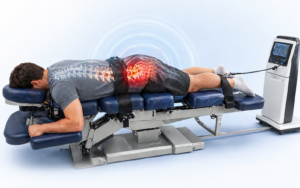
Chiropractic decompression therapy is a non-surgical treatment designed to gently stretch and decompress the spine using a motorized traction system. It is commonly used by chiropractors to help relieve pressure on spinal discs and nerves, especially in patients suffering from chronic back or neck pain.
The spine is made up of vertebrae (bones) separated by intervertebral discs that act as cushions and shock absorbers. These discs contain a gel-like center that can become compressed, bulged, or herniated due to injury, aging, or repetitive strain. When this happens, the discs may press on nearby spinal nerves, leading to pain, numbness, tingling, or weakness.
Chiropractic decompression therapy aims to create space between the vertebrae, reducing pressure on the discs and nerves while promoting natural healing.
Conditions Treated with Chiropractic Decompression Therapy
Chiropractic decompression therapy is commonly recommended for a variety of spinal conditions, particularly those involving disc compression or nerve irritation.
Herniated or Bulging Discs
A herniated disc occurs when the soft inner material of a spinal disc pushes out through its outer layer. This can irritate nearby nerves and cause sharp pain, numbness, or weakness.
Sciatica
Sciatica is a condition caused by compression of the sciatic nerve. It often results in radiating pain that travels from the lower back down one or both legs.
Degenerative Disc Disease
Over time, spinal discs naturally lose hydration and elasticity. This degeneration can lead to chronic pain, stiffness, and reduced mobility.
Spinal Stenosis
This condition involves narrowing of the spinal canal, which places pressure on the spinal cord and nerves, leading to pain, weakness, or difficulty walking.
Pinched Nerves
When surrounding tissues compress a spinal nerve, it can result in localized or radiating pain, tingling, or numbness.
Chronic Neck and Lower Back Pain
Many patients experience long-term pain due to poor posture, repetitive strain, or previous injuries that never fully healed.
Chiropractic decompression therapy is often used as part of a broader conservative care plan for these conditions.
Benefits of Chiropractic Decompression Therapy
One of the main reasons patients choose chiropractic decompression therapy is because it is non-invasive, drug-free, and surgery-free. It focuses on addressing the root cause of pain rather than simply masking symptoms.
Non-Surgical Pain Relief
Many patients experience relief without needing invasive procedures such as spinal surgery.
Reduced Nerve Compression
By creating space between spinal discs, decompression therapy may reduce pressure on irritated nerves.
Improved Disc Health
The negative pressure created during treatment may help draw nutrients, oxygen, and fluids into the discs, supporting healing and hydration.
Enhanced Mobility and Flexibility
As spinal pressure decreases, patients often notice improved movement and reduced stiffness.
Drug-Free Approach
Chiropractic decompression does not rely on pain medications, making it appealing for individuals seeking natural treatment options.
Targeted Treatment
Unlike general therapies, decompression specifically targets spinal structures responsible for pain.
How Chiropractic Decompression Therapy Works
During a chiropractic decompression session, the patient lies on a specially designed decompression table. A harness is placed around the pelvis (for lower back treatment) or around the head (for neck treatment), depending on the area being targeted.
A computerized system then applies a controlled and precise stretching force to the spine. Unlike traditional traction, this force is carefully adjusted to ensure comfort and effectiveness.
The process typically involves cycles of:
- Gentle stretching (decompression phase)
- Relaxation (release phase)
- Repetition over a set period of time
This alternating cycle creates a “vacuum effect” or negative pressure within the spinal discs. This may help:
- Pull bulging or herniated disc material back toward the center
- Improve circulation of oxygen, water, and nutrients into the discs
- Reduce nerve compression and irritation
- Support disc rehydration and healing
According to research in spinal care, decompression therapy is believed to reduce intradiscal pressure, which may relieve symptoms associated with disc-related conditions and nerve impingement Spinal Decompression Therapy.
Is Chiropractic Decompression Therapy Safe?
For most patients, chiropractic decompression therapy is considered safe when performed by trained professionals. It is a conservative treatment option with a low risk of complications.
However, it may not be suitable for everyone. Individuals with the following conditions may require alternative care:
- Severe osteoporosis
- Spinal fractures
- Advanced spinal instability
- Certain types of spinal implants
- Pregnancy (in some cases)
A thorough spinal evaluation is necessary before beginning treatment to ensure safety and effectiveness.
Chiropractic Decompression vs Traditional Chiropractic Adjustments
While both treatments are part of chiropractic care, they serve different purposes.
Chiropractic Adjustments
- Focus on spinal alignment
- Use manual or instrument-based manipulation
- Improve joint mobility and posture
Chiropractic Decompression Therapy
- Focuses on spinal discs and nerve pressure
- Uses motorized traction systems
- Aims to reduce disc compression and promote healing
In many cases, chiropractors combine both approaches for a more comprehensive treatment plan.
Who Is a Good Candidate?
Chiropractic decompression therapy may be suitable for individuals who:
- Experience chronic back or neck pain
- Have disc-related conditions such as herniation or bulging
- Suffer from sciatica or nerve pain
- Want to avoid surgery or long-term medication use
- Have not responded well to physical therapy alone
It is especially beneficial for patients seeking a conservative, long-term solution to spinal discomfort.
Expected Results and Recovery
Results vary depending on the severity of the condition, the patient’s overall health, and consistency of treatment. Some individuals notice improvement within a few sessions, while others require a longer treatment plan.
Potential outcomes include:
- Reduced pain intensity
- Improved spinal function
- Decreased nerve-related symptoms
- Better posture and mobility
- Increased comfort during daily activities
It is important to note that results are gradual and cumulative rather than immediate.
What Happens During a Session?
A typical chiropractic decompression session is comfortable and non-invasive. Most patients remain fully clothed and lie on a motorized table.
A standard session includes:
- Initial positioning and harness setup
- Customized spinal stretching cycles
- Alternating decompression and relaxation phases
- Gradual release of spinal tension at the end
Each session typically lasts between 20 and 45 minutes, depending on the treatment plan.
Patients often report feeling a gentle stretching sensation rather than pain. After the session, they can usually resume normal daily activities immediately.
A full treatment plan may involve multiple sessions per week over several weeks to achieve optimal results.
Final Thoughts
Chiropractic decompression therapy offers a modern, non-surgical approach to treating back and neck pain caused by disc compression and nerve irritation. By gently stretching the spine and creating space between vertebrae, this therapy aims to reduce pressure, improve disc health, and support natural healing.
While it may not replace surgery in severe cases, it is often an effective option for patients seeking conservative care. When combined with chiropractic adjustments, exercise, and lifestyle changes, decompression therapy can play an important role in long-term spinal health.
If you are struggling with persistent back or neck pain, consulting a qualified chiropractor can help determine whether chiropractic decompression therapy is right for your condition.