
Advanced Functional Rehabilitation — A Comprehensive Look with The Decompression Clinic
In today’s world of healthcare, rehabilitation is far more than just “rest and recover.” For individuals living with spinal injuries, chronic pain, or mobility limitations, the pathway to restored function hinges on a holistic, evidence-based, and patient-centered program that goes beyond symptom relief. This is where Advanced Functional Rehabilitation comes into play — an approach that blends cutting-edge therapeutic modalities with hands-on care, progressive strengthening, and long-term functional readiness. At The Decompression Clinic, this paradigm is brought to life through the integration of non-surgical spinal decompression therapy and personalized rehabilitation plans designed to return patients to their highest levels of physical performance and quality of life.
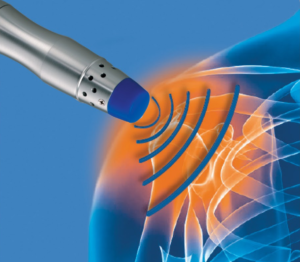
What Is Advanced Functional Rehabilitation?
Advanced Functional Rehabilitation refers to a comprehensive framework of therapeutic interventions aimed at restoring the body’s ability to perform meaningful, everyday activities — from walking without pain to lifting, bending, balancing, and engaging in work or sports. Rather than focusing narrowly on pain symptoms, functional rehabilitation looks at the underlying mechanics that contribute to dysfunction, incorporating multiple disciplines such as biomechanics, neuromuscular retraining, personalized exercises, and movement science.
A key difference between traditional physical therapy and functional rehabilitation is this emphasis on real-world movement patterns — how the body operates in daily life, not just in isolated exercises. Functional rehab evaluates posture, balance, coordination, strength, and endurance, and then applies targeted exercises that mimic everyday activities to enhance recovery and prevent injury recurrence.
The Role of Spinal Decompression in Advanced Rehabilitation
At The Decompression Clinic, spinal decompression therapy represents a cornerstone of treatment for individuals dealing with chronic back or neck pain, disc injuries, sciatica, and nerve compression. This therapy is a non-invasive, drug-free approach that gently stretches the spine using specialized equipment, with the goal of reducing pressure on spinal discs and nerves.
How Spinal Decompression Works
Patients often report improved function, reduced pain, and faster return to daily activities after completing treatment.
Spinal decompression uses a motorized, computer-assisted traction table that slowly lengthens the spine. By creating negative pressure within the intervertebral discs, this method:
01.
Relieves nerve compression and reduces irritation
02.
Encourages retraction of bulging or herniated disc material
03.
Enhances the flow of oxygen, nutrients, and fluids into the disc space
04.
Promotes natural healing and disc rehydration
05.
Improves overall spinal alignment and mobility
This negative pressure effect facilitates an optimal healing environment, helping to address issues that often don’t respond to conventional treatments such as medication or rest.
Importantly, spinal decompression is safe, comfortable, and generally pain-free, allowing patients to remain relaxed while the machine does the work of precisely controlling traction forces. Sessions typically last around 20-30 minutes and are customized to each patient’s unique condition.
Integration with Functional Rehabilitation
While spinal decompression helps resolve the mechanical source of pain and disc compression, it is only one piece of the recovery puzzle. To truly restore function, The Decompression Clinic complements decompression therapy with advanced functional rehabilitation strategies including:
1. Movement Assessment and Personalization
Rehabilitation begins with a thorough evaluation of your posture, movement patterns, strength deficits, and functional limitations. This assessment helps clinicians design individualized rehab plans that are specific to your needs, instead of generic exercise routines.
2. Core Strength and Stability Training
After decompression sessions have relieved pressure and pain, the next phase focuses on strengthening the deep stabilizing muscles of the core — including the abdominal and back muscles that support the spine. Building core stability enhances spinal support, reduces vulnerability to reinjury, and improves overall movement quality.
3. Neuromuscular Retraining
Neuromuscular retraining involves relearning how the body coordinates movement. Pain and injury can disrupt normal patterns and lead to compensations that perpetuate dysfunction. Through guided exercises, patients rebuild proper motor control so movements become efficient and pain-free.
4. Remedial Functional Exercise
Functional exercises progress in three dimensions, mimicking real-life activities — bending, lifting, reaching, and balancing — to ensure you’re not just stronger, but also able to use that strength in your daily life.
5. Posture and Biomechanical Correction
Poor posture is a common contributor to chronic spinal conditions. Rehab work includes exercises to align the spine and improve posture, which reduces strain on muscles and discs while optimizing movement efficiency.
6. Lifestyle and Ergonomic Guidance
Rehabilitation isn’t just about what happens in the clinic. Patients are educated on ergonomics — how to set up workspaces, use correct lifting mechanics, and implement lifestyle changes that support long-term spinal health. This comprehensive approach bridges the gap between therapy and daily life.
Benefits of Advanced Functional Rehabilitation
When spinal decompression is paired with advanced functional rehab principles, patients commonly experience benefits that extend far beyond temporary pain relief:
1. Sustained Pain Reduction
Decompression reduces nerve pressure, while functional rehab retrains muscles and movement patterns to prevent re-accumulation of discomfort.
2. Enhanced Mobility and Flexibility
Patients gain meaningful increases in range of motion, enabling them to bend, twist, walk, and perform activities without restrictions.
3. Improved Strength and Endurance
Targeted exercise restores muscular endurance — vital for lifting, walking, and maintaining posture throughout daily tasks.
4. Prevention of Future Injuries
Functional rehab helps correct underlying biomechanical deficits, reducing susceptibility to future episodes of back pain or injury.
5. Better Posture and Core Support
With focused core strengthening, patients enjoy improved spinal stability — a key determinant of long-term spinal health.
6. Increased Confidence and Functional Independence
Recovering the ability to move with confidence is not just physical; it’s psychological. Patients feel empowered to reengage with life’s activities without fear of pain.
Who Benefits from This Approach?
While spinal decompression and functional rehabilitation help a wide range of patients, those who especially benefit include individuals with:
01.
Chronic back or neck pain
02.
Herniated or bulging discs
03.
Sciatica or nerve compression symptoms
04.
Degenerative disc disease
05.
Mobility limitations caused by spinal conditions
06.
Post-injury recovery needs
Importantly, because these methods are non-surgical and drug-free, they present viable alternatives for patients seeking relief without the risks associated with invasive procedures.
A Step-By-Step Patient Journey
1. Initial Evaluation
The journey begins with a comprehensive assessment that includes medical history, spinal evaluation, and possibly imaging review to determine the best course of action.
2. Customized Treatment Plan
Based on your unique condition, decompression protocols, functional rehab exercises, and supportive therapies are selected and scheduled.
3. Decompression Therapy
Patients undergo a series of decompression sessions where the spine is gently stretched to reduce pressure on discs and nerves.
4. Integrative Rehabilitation
As pain decreases, functional exercises are introduced — strengthening, flexibility work, and movement retraining gradually restore full capability.
5. Maintenance and Lifestyle Integration
Once goals are met, ongoing maintenance and lifestyle recommendations help ensure lasting improvement and prevent recurrence of issues.

Final Thoughts
Advanced Functional Rehabilitation — especially when paired with spinal decompression therapy — represents a holistic, future-focused approach to spinal care. Instead of merely masking pain, this method addresses the root cause, rebuilds functional strength, and equips patients with tools and movement patterns necessary for sustained well-being. At The Decompression Clinic, this comprehensive roadmap doesn’t just help patients feel better — it helps them live better. Through tailored decompression sessions and individualized rehabilitation plans focused on real-world functionality, individuals are empowered to overcome pain and reclaim freedom of movement.
If you or someone you care about has been struggling with chronic spinal issues, the combination of advanced decompression technology and functional rehabilitation could signal a turning point — an opportunity to finally address pain at its source and unlock a healthier, more active life.