
Chronic Back Pain: Causes, Symptoms, and the Rise of Non-Surgical Relief Solutions
Chronic back pain is no longer just a medical condition—it has become a global lifestyle issue. Millions of people across the world struggle daily with persistent discomfort that affects their work, sleep, mobility, and overall quality of life. Unlike temporary pain that resolves within a few days or weeks, chronic back pain lingers for months or even years, often becoming a long-term health challenge.
With modern advancements in healthcare, the understanding and treatment of chronic back pain have evolved significantly. Today, patients are not limited to medications or surgery; non-surgical solutions like spinal decompression therapy are offering new hope for lasting relief.
This article provides a comprehensive, human-friendly understanding of chronic back pain, its causes, symptoms, and the most effective modern treatment approaches.
What Is Chronic Back Pain?
Chronic back pain is defined as pain that persists for 12 weeks or longer, even after the initial injury or underlying cause has been treated. It may occur in the lower back, upper back, or neck and can range from a dull ache to sharp, debilitating pain.
In many cases, the pain is not constant—it may come and go—but its recurring nature makes it difficult to ignore or manage effectively.
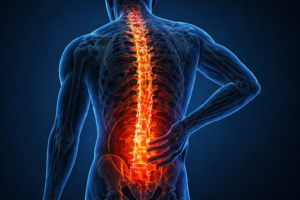
Common Causes of Chronic Back Pain
Understanding the root cause is essential for effective treatment. Chronic back pain is often linked to structural or mechanical issues in the spine.
Herniated or Bulging Discs
The discs between your vertebrae act as cushions. When they bulge or rupture, they can press on nearby nerves, causing pain and discomfort.
Degenerative Disc Disease
As we age, spinal discs naturally lose hydration and elasticity, leading to reduced cushioning and increased friction.
Spinal Stenosis
This condition involves narrowing of the spinal canal, which can compress nerves and lead to chronic pain, numbness, and weakness.
Sciatica
Compression of the sciatic nerve can cause radiating pain from the lower back down to the legs.
Poor Posture and Lifestyle
Sedentary habits, long hours of sitting, and improper posture contribute significantly to long-term spinal stress.
Injuries or Trauma
Accidents, falls, or sports injuries can result in lasting spinal damage if not properly treated.
Symptoms You Should Not Ignore
Chronic back pain often presents with a combination of symptoms, including:
01.
Persistent aching or stiffness
02.
Sharp or shooting pain
03.
Muscle tightness or spasms
04.
Reduced flexibility and mobility
05.
Numbness or tingling in limbs
06.
Difficulty standing, walking, or sitting for long periods
These symptoms may worsen over time if left untreated, making early intervention crucial.
Traditional Treatment Options
1. Medications
Painkillers and anti-inflammatory drugs are commonly prescribed but often provide only temporary relief and may have side effects.
2. Physical Therapy
Exercise-based rehabilitation helps improve strength and flexibility but requires consistency and time.
3. Injections
Steroid injections may reduce inflammation but do not fix underlying structural issues.
4. Surgery
In severe cases, surgery may be recommended. However, it carries risks such as infection, nerve damage, and long recovery periods.
Why Chronic Back Pain Is Hard to Treat
One of the biggest challenges in treating chronic back pain is that it often involves multiple factors—physical, neurological, and lifestyle-related.
A recent large-scale review found that only a small percentage of non-surgical treatments provide significant pain relief, and even then, results may be modest.
This highlights the importance of choosing the right treatment approach—preferably one that addresses the root cause rather than just masking symptoms.
The Rise of Non-Surgical Treatments
In recent years, there has been a growing shift toward non-invasive and holistic treatments. Among these, spinal decompression therapy has gained significant attention.
What Is Spinal Decompression Therapy?
Spinal decompression therapy is a non-surgical treatment that gently stretches the spine using a specialized table or device. This creates negative pressure within the spinal discs, allowing them to reposition and heal naturally.
The therapy works by:
- Reducing pressure on spinal discs and nerves
- Improving blood flow and nutrient delivery
- Promoting natural healing of damaged tissues
By targeting the root cause of pain, this method offers a more sustainable solution compared to temporary treatments.
Real-World Experiences: What People Say
Community discussions reveal mixed but often encouraging results.
“After approx 15 treatments, my pain went from 9–10 to around 1–2.”
Others note that results vary depending on the severity of the condition and consistency of treatment. This highlights an important truth: no single treatment works for everyone, but non-surgical options are worth exploring before considering surgery.
Benefits of Spinal Decompression for Chronic Back Pain
01.
Relieves Pressure on Nerves
Decompression reduces the compression that causes pain, numbness, and tingling.
02.
Promotes Natural Healing
Improved circulation allows oxygen and nutrients to reach damaged discs, accelerating recovery.
03.
Improves Mobility
Patients often experience better flexibility and range of motion after treatment.
04.
Non-Invasive and Safe
No surgery, no anesthesia, and minimal risk make it a preferred option for many patients.
05.
Minimal Recovery Time
Unlike surgery, there is little to no downtime, allowing patients to continue daily activities.
06.
Long-Term Relief
By addressing the underlying cause, decompression therapy can provide lasting results rather than temporary relief.
- FOR ASSISTANCE
When Should You Consider Surgery?
Although non-surgical treatments are effective for many, surgery may be necessary in certain cases:
- Severe nerve compression
- Loss of bladder or bowel control
- Progressive neurological issues
- Structural damage that cannot heal naturally
Even then, doctors often recommend trying conservative treatments first.
A Balanced Approach to Healing
The most effective way to manage chronic back pain is through a combination of treatments, such as:
- Spinal decompression therapy
- Physical therapy
- Exercise programs
- Lifestyle modifications
This holistic approach not only relieves pain but also prevents future problems.
Lifestyle Changes That Support Recovery
Treatment alone is not enough. Long-term relief from chronic back pain requires lifestyle adjustments:
1. Regular Exercise
Strengthening core muscles helps support the spine.
2. Correct Posture
Maintaining proper alignment reduces unnecessary strain.
3. Weight Management
Excess weight increases pressure on the spine.
4. Ergonomic Workspaces
Proper chair and desk setup can prevent worsening of symptoms.
5. Stress Management
Stress can contribute to muscle tension and pain.
Final Thoughts
Chronic back pain can be physically exhausting and emotionally draining, but it is not something you have to live with forever. With modern, non-surgical treatments like spinal decompression therapy, patients now have access to safer and more effective solutions.
While traditional treatments still play a role, the focus is shifting toward natural healing, minimal risk, and long-term wellness. Understanding your condition, exploring your options, and taking proactive steps can help you regain control over your life.
Conclusion
Chronic back pain is a complex condition, but it is manageable with the right approach. Non-surgical treatments, especially spinal decompression, are transforming the way we treat back pain—offering relief without the risks of surgery.
If you’re dealing with persistent back pain, the key is not just to treat the symptoms but to address the root cause. With the right combination of therapy, lifestyle changes, and medical guidance, a pain-free and active life is within reach.