
Correct Posture: The Foundation of Spinal Health and Long-Term Wellness
Correct posture is far more than standing up straight or sitting tall at your desk. It is the foundation of spinal health, overall body alignment, and long-term physical well-being. In today’s modern lifestyle—marked by long hours of sitting, excessive screen time, and reduced physical movement—poor posture has become one of the most common yet overlooked contributors to chronic pain, spinal degeneration, and reduced quality of life.
At The Decompression Clinic, posture is not viewed as a cosmetic concern but as a critical functional component of spinal health. Proper posture plays a vital role in reducing spinal stress, preventing disc damage, relieving nerve pressure, and supporting the effectiveness of spinal decompression therapy and rehabilitation care.
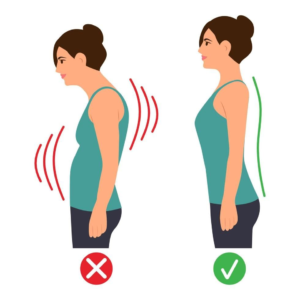
What Is the Correct Posture?
Correct posture refers to the optimal alignment of the body that allows muscles, joints, and the spine to function efficiently with minimal strain. When posture is correct, the spine maintains its natural curves, the head stays balanced over the shoulders, and the body distributes weight evenly.
There are three main types of posture:
Correct posture allows the body to move naturally while reducing unnecessary pressure on spinal discs, muscles, and ligaments. Poor posture, on the other hand, creates chronic stress that gradually leads to pain, stiffness, nerve compression, and degenerative spinal conditions.
Why Correct Posture Matters for Spinal Health
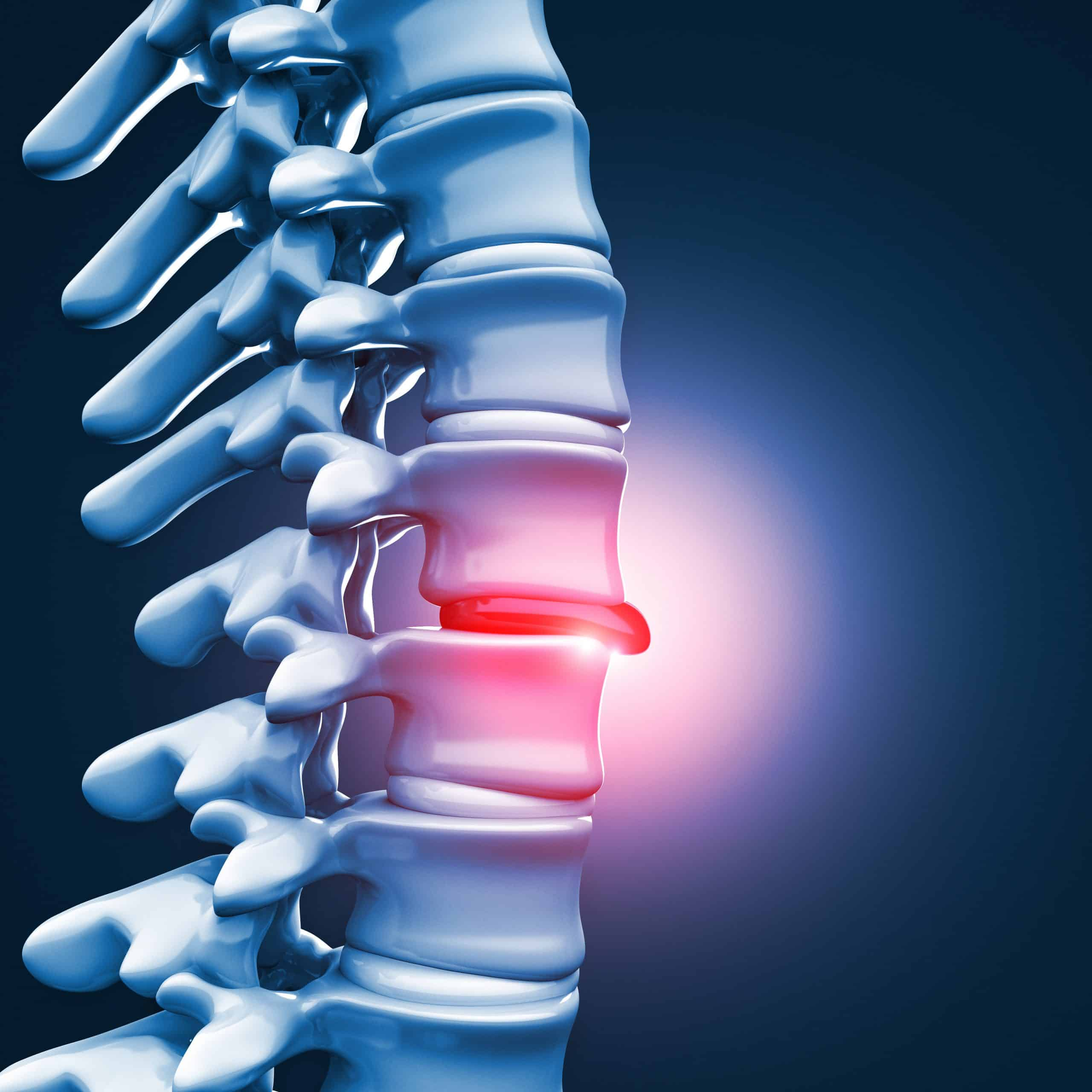
The spine is designed to support the body’s weight while protecting the spinal cord and nerves. When posture is compromised, this delicate balance is disrupted.
Effects of Poor Posture on the Spine
- Increased pressure on spinal discs
- Muscle imbalances and chronic tension
- Reduced circulation and oxygen flow
- Nerve compression leading to pain, numbness, or tingling
- Accelerated disc degeneration
- Limited mobility and flexibility
Over time, poor posture can contribute to conditions such as herniated discs, sciatica, chronic neck pain, lower back pain, and even headaches. At The Decompression Clinic, many patients seeking spinal decompression therapy discover that years of poor posture played a major role in their spinal issues.
Posture and Spinal Decompression Therapy
Spinal decompression therapy is designed to gently relieve pressure on the spine, allowing discs to heal and nerves to recover. However, maintaining correct posture is essential to support and sustain the benefits of decompression treatment.
When posture is corrected:
- Spinal alignment improves
- Disc pressure remains reduced
- Healing occurs more efficiently
- The risk of re-injury decreases
Poor posture after treatment can reintroduce stress to the spine, slowing recovery or reversing progress. That is why posture education and functional rehabilitation are key components of care at The Decompression Clinic.
Common Causes of Poor Posture
Understanding what causes poor posture is the first step toward correcting it.
Prolonged Sitting
Office work, driving, and screen use encourage slouching, forward head posture, and rounded shoulders.
Smartphone and Technology Use
“Text neck” is a growing problem caused by looking down at phones and tablets for extended periods.
Weak Core Muscles
The core muscles support spinal alignment. Weakness here leads to compensation and misalignment.
Muscle Imbalances
Tight chest muscles and weak upper back muscles commonly contribute to rounded shoulders.
Improper Ergonomics
Poor desk setups, incorrect chair height, and unsupported seating strain posture.
Previous Injuries or Pain
Pain often causes the body to compensate, leading to long-term postural distortions.
Signs You May Have Poor Posture
Many people don’t realize their posture is problematic until symptoms appear. Common signs include:
01.
Chronic neck or back pain
02.
Shoulder tension or stiffness
03.
Frequent headaches
04.
Fatigue during sitting or standing
05.
Numbness or tingling in arms or legs
06.
Rounded shoulders or forward head position
07.
Lower back tightness
If these symptoms persist, it may indicate spinal stress or disc compression—conditions that may benefit from evaluation at The Decompression Clinic.
Correct Posture: Key Alignment Principles
Standing Posture
- Head aligned over shoulders
- Shoulders relaxed and slightly back
- Chest open, not lifted excessively
- Core gently engaged
- Hips balanced over feet
- Weight evenly distributed
Sitting Posture
- Feet flat on the floor
- Knees at or slightly below hip level
- Lower back supported
- Shoulders relaxed
- Screen at eye level
Sleeping Posture
- Neutral spine alignment
- Supportive pillow for neck
- Mattress that supports natural spinal curves
Correct posture should feel natural and relaxed, not forced or rigid.
Long-Term Benefits of Correct Posture
Maintaining correct posture offers benefits beyond pain relief:
- Improved breathing and circulation
- Enhanced balance and coordination
- Reduced muscle fatigue
- Better digestion
- Increased energy levels
- Improved confidence and appearance
More importantly, correct posture supports spinal longevity—reducing the likelihood of future degeneration and injury.
Correct Posture and Functional Rehabilitation
Functional rehabilitation focuses on restoring real-world movement patterns. Correct posture is a foundational element of this approach.
Rehabilitation programs may include:
- Core strengthening exercises
- Postural awareness training
- Movement retraining
- Stretching tight muscle groups
- Strengthening weak stabilizing muscles
These strategies help patients learn how to sit, stand, walk, lift, and move safely—protecting the spine during daily activities.
Posture in Everyday Life
1. At Work
- Adjust your chair and desk ergonomically
- Take regular movement breaks
- Keep screens at eye level
2. At Home
- Avoid prolonged couch slouching
- Use supportive seating
- Be mindful of phone and tablet use
3. During Exercise
- Focus on proper form
- Engage core muscles
- Avoid compensatory movements
4. While Driving
- Sit upright with back support
- Adjust mirrors to promote upright posture
Small, consistent changes can significantly improve posture over time.
Correct Posture as a Lifestyle Commitment
Correct posture is not a temporary fix—it is a lifelong habit. At The Decompression Clinic, patients are educated and empowered to take ownership of their spinal health through posture awareness, therapeutic care, and ongoing functional support.
By combining spinal decompression therapy with posture correction and rehabilitation strategies, patients can experience lasting relief, improved mobility, and a stronger, more resilient spine.
Conclusion
Correct posture is one of the most powerful yet underestimated tools for maintaining spinal health and overall wellness. In a world that constantly challenges our alignment, proactive posture care is essential. Whether you are managing chronic pain, recovering from injury, or simply seeking to protect your spine, posture plays a central role.
At The Decompression Clinic, correct posture is integrated into a comprehensive approach to spinal care—helping patients not only feel better but move better and live better. Through education, decompression therapy, and functional rehabilitation, correct posture becomes a pathway to lasting health and freedom of movement.