
Herniated or Bulging Discs Treatment: A Complete Guide to Lasting Relief
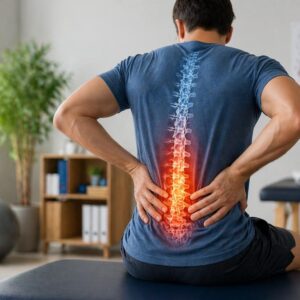
Back pain is one of the most common health issues worldwide, and among its leading causes are herniated and bulging discs. These spinal conditions can significantly impact daily life—causing pain, stiffness, and even nerve-related symptoms like tingling or numbness. Fortunately, modern medicine offers a wide range of treatments, from conservative therapies to advanced non-surgical solutions such as spinal decompression.
This article explores everything you need to know about herniated or bulging disc treatment, including causes, symptoms, and the most effective treatment options available today.
Understanding Herniated and Bulging Discs
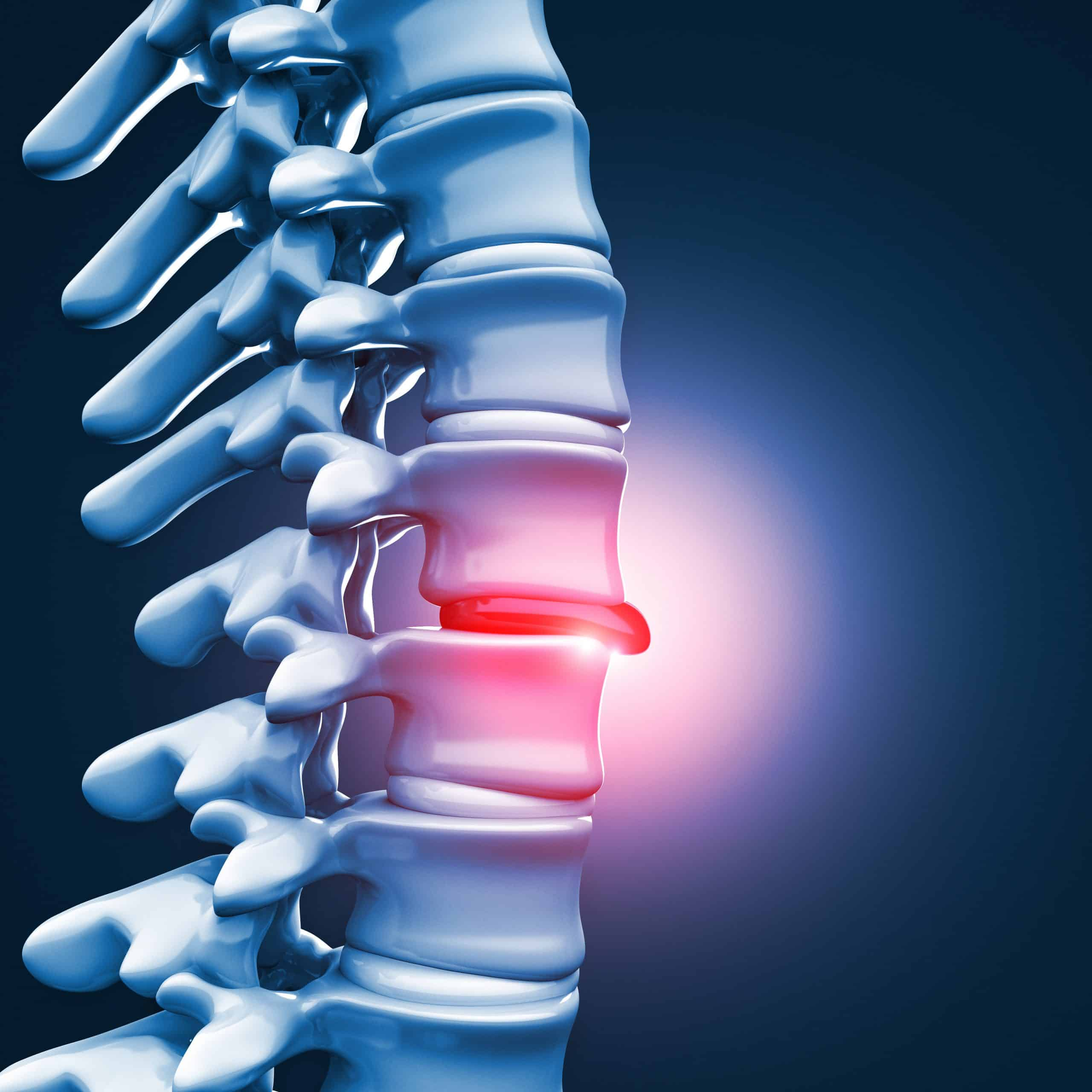
The spine is made up of vertebrae cushioned by soft, gel-like discs. These discs act as shock absorbers and help maintain flexibility. However, when a disc becomes damaged, it can either:
- Bulge outward (bulging disc), or
- Rupture or leak (herniated disc)
Both conditions can compress nearby nerves, leading to pain and discomfort.
A herniated disc is generally more severe than a bulging disc, as the inner material protrudes through the outer layer. However, both can cause similar symptoms and require appropriate treatment.
Common Symptoms
Symptoms vary depending on the location and severity of the condition. Common signs include:
Persistent back or neck pain
Radiating pain (such as sciatica)
Numbness or tingling in arms or legs
Muscle weakness
Reduced mobility and flexibility
If these symptoms persist or worsen, it’s important to seek proper treatment rather than ignoring them.
Causes and Risk Factors
Several factors contribute to disc problems:
Age-related degeneration
Poor posture
Heavy lifting or sudden movements
Obesity
Sedentary lifestyle
Injury or trauma
Treatment Options for Herniated or Bulging Discs
Treatment depends on the severity of the condition. Most cases can be managed without surgery.
Conservative (Non-Surgical) Treatments
1. Rest and Activity Modification
Short periods of rest can help reduce inflammation, but prolonged inactivity should be avoided. Gentle movement promotes healing.
2. Physical Therapy
Targeted exercises strengthen the muscles supporting the spine and improve flexibility. Physical therapy is often a first-line treatment.
3. Medications
Doctors may prescribe:
- Anti-inflammatory drugs
- Muscle relaxants
- Pain relievers
These help manage symptoms but do not address the root cause.
4. Heat and Cold Therapy
Applying heat or ice can reduce inflammation and relieve pain.
Injection-Based Treatments
If conservative treatments fail, doctors may recommend:
- Epidural steroid injections
- Nerve blocks
These reduce inflammation and provide temporary relief but are not long-term solutions.
Surgical Treatment
Surgery is usually considered a last resort when:
- Pain persists despite other treatments
- There is significant nerve damage
- Mobility is severely limited
Common procedures include:
- Discectomy – removing part of the disc
- Laminectomy – relieving pressure on the spinal cord
- Spinal fusion – stabilizing the spine
While surgery can be effective (70–80% success rates), it carries risks and requires longer recovery times
Real-World Experiences
Patient experiences with spinal decompression vary. Many report significant relief and improved quality of life, while others may not respond as well.
From online discussions:
“After 20 treatments, I am feeling almost 100% better.”
However, some individuals report limited or no improvement, highlighting the importance of proper diagnosis and personalized treatment plans.
Advanced Non-Surgical Treatment: Spinal Decompression Therapy
One of the most promising modern treatments is spinal decompression therapy.
What Is Spinal Decompression?
Spinal decompression is a non-invasive therapy that gently stretches the spine using a specialized table or device. This creates negative pressure inside the disc, which helps:
- Pull herniated material back into place
- Reduce pressure on nerves
- Improve blood flow and nutrient exchange
- Promote natural healing
How It Works
The therapy creates a vacuum-like effect inside the disc, encouraging rehydration and healing. This process can significantly reduce pain and improve mobility.
Effectiveness
Research shows promising results:
- Around 70% to 90% success rates in relieving herniated disc pain
- Some studies report 71–89% improvement in patients
- Many patients experience noticeable relief within a few weeks of treatment
Additionally, MRI studies have shown reductions in disc herniation size and improved disc health following treatment
Benefits
- Non-surgical and drug-free
- Minimal downtime
- Improves mobility and function
- Targets the root cause of pain
- May help avoid surgery
Who Is It For?
Spinal decompression is ideal for individuals who:
- Have chronic back or neck pain
- Experience nerve-related symptoms
- Prefer non-invasive treatment options
However, it may not be suitable for conditions like fractures, tumors, or severe spinal instability
Comparing Treatment Options
|
Treatment Type
|
Invasiveness
|
Recovery Time
|
Effectiveness
|
|---|---|---|---|
|
Physical Therapy
|
Low
|
Weeks
|
Moderate
|
|
Medications
|
Low
|
Immediate
|
Temporary
|
|
Spinal Decompression
|
None
|
Weeks
|
High (70–90%)
|
|
Injections
|
Moderate
|
Days
|
Temporary
|
|
Surgery
|
High
|
Months
|
High
|
Lifestyle Changes for Long-Term Relief
01.
Maintain proper posture
02.
Exercise regularly
03.
Strengthen core muscles
04.
Avoid heavy lifting
05.
Maintain a healthy weight
These habits help prevent recurrence and support spinal health.
Is Spinal Decompression Right for You?
Spinal decompression is an excellent option for many patients, especially those seeking a non-invasive solution. However, it’s important to consult a qualified healthcare professional for a proper diagnosis and treatment plan.
While research supports its effectiveness, some reviews suggest that more high-quality studies are needed to fully confirm its superiority over other treatments
Conclusion
Herniated and bulging discs can be painful and disruptive, but effective treatments are available. From conservative care to advanced therapies like spinal decompression, most patients can find relief without surgery.
Spinal decompression, in particular, offers a promising, non-invasive approach that targets the root cause of the problem—helping restore disc health and reduce nerve pressure.
If you’re struggling with back or neck pain, exploring the right treatment early can make a significant difference in your recovery and quality of life.