
Improved Overall Spinal Health: How Spinal Decompression Supports a Stronger, Pain-Free Spine
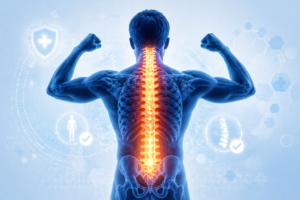
Spinal health is the foundation of overall well-being. The spine not only supports the body’s structure but also protects the spinal cord, which plays a vital role in transmitting signals between the brain and the rest of the body. When spinal health is compromised, it can lead to pain, reduced mobility, and a decline in quality of life.
In recent years, non-invasive treatments like spinal decompression therapy have gained popularity for their ability to improve overall spinal health naturally. By addressing the root causes of spinal issues—such as disc compression and poor alignment—this therapy offers long-term benefits beyond just pain relief.
What Is Spinal Health and Why Is It Important?
Spinal health refers to the proper functioning of the spine’s structures, including vertebrae, discs, muscles, ligaments, and nerves. A healthy spine:
- Maintains proper alignment
- Supports movement and flexibility
- Protects the nervous system
- Distributes body weight evenly
When the spine is healthy, the body moves efficiently and experiences minimal discomfort. However, poor posture, aging, injuries, and sedentary lifestyles can negatively affect spinal health over time.
What Is Spinal Decompression Therapy?
Spinal decompression therapy is a non-surgical treatment that gently stretches the spine using a specialized table or device.
This controlled stretching creates negative pressure within the spinal discs, which plays a key role in healing and restoring spinal health.
According to clinical insights, this negative pressure helps draw in water, oxygen, and nutrients into the discs—supporting repair and regeneration.
Common Factors That Affect Spinal Health
Several factors contribute to poor spinal health:
Disc Compression
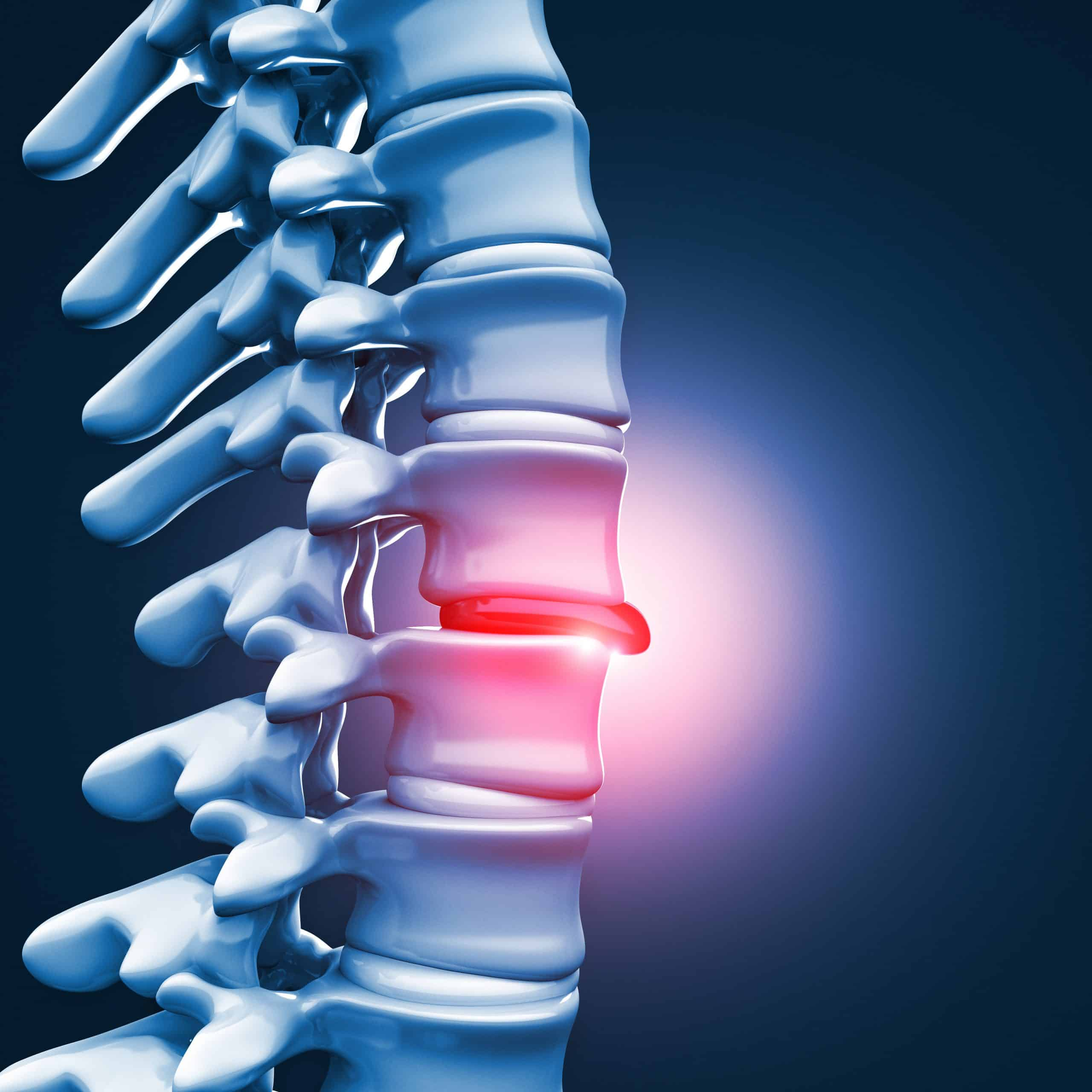
Spinal discs act as cushions between vertebrae. Over time, pressure can cause them to bulge, herniate, or degenerate.
Poor Posture
Slouching or prolonged sitting places uneven stress on the spine.
Lack of Movement
A sedentary lifestyle weakens muscles that support the spine.
Aging and Degeneration
Natural wear and tear can reduce disc hydration and flexibility.
Injury or Trauma
Accidents or repetitive strain can damage spinal structures.
These issues often lead to chronic back pain, stiffness, and reduced mobility.
How Spinal Decompression Improves Overall Spinal Health
Spinal decompression is not just about relieving pain—it actively contributes to long-term spinal health in several ways.
Relieves Pressure on Discs and Nerves
One of the primary benefits of spinal decompression is reducing pressure within the spine.
The therapy gently separates the vertebrae, creating space that:
- Reduces compression on discs
- Alleviates pressure on nerves
- Decreases inflammation
This “vacuum effect” can even help retract bulging or herniated discs, relieving symptoms like pain, numbness, and tingling.
Improves Spinal Alignment
Proper alignment is essential for long-term spinal health.
Spinal decompression helps:
- Restore natural spacing between vertebrae
- Reduce strain on joints and muscles
- Improve posture
When the spine is aligned correctly, it distributes weight evenly, reducing stress on specific areas.
Boosts Blood Circulation
Healthy circulation is essential for tissue repair and overall spinal health.
Spinal decompression improves blood flow by:
- Delivering oxygen-rich blood to spinal tissues
- Removing toxins and inflammatory substances
- Supporting faster healing
Improved circulation also helps reduce inflammation and pain.
Enhances Overall Quality of Life
Improved spinal health leads to better overall well-being.
Patients often report:
- Better sleep quality
- Increased energy levels
- Reduced stress and discomfort
- Improved ability to perform daily activities
By eliminating chronic pain and restoring mobility, spinal decompression significantly enhances quality of life.
Promotes Natural Healing of Spinal Discs
Spinal discs rely on proper hydration and nutrient exchange to stay healthy. However, compressed discs often lose this ability.
Spinal decompression restores this process by:
- Increasing fluid movement into discs
- Enhancing oxygen and nutrient supply
- Supporting the body’s natural repair mechanisms
This process, known as imbibition, helps discs rehydrate and heal over time.
Enhances Mobility and Flexibility
Chronic spinal issues often lead to stiffness and reduced movement.
By relieving pressure and improving alignment, spinal decompression:
- Increases range of motion
- Reduces stiffness
- Improves flexibility
Patients often experience better movement and function in daily activities.
Reduces Chronic Pain
One of the most noticeable benefits of improved spinal health is pain reduction.
By addressing the root causes—such as disc compression and nerve pressure—spinal decompression provides long-lasting relief from conditions like:
- Herniated discs and Sciatica
- Degenerative disc disease
Patients often experience reduced reliance on pain medications and improved daily comfort.
Supports Long-Term Spine Function
Spinal decompression doesn’t just provide temporary relief—it helps maintain long-term spinal function.
Benefits include:
- Improved joint mobility
- Reduced muscle tension
- Better posture and stability
By restoring natural spinal mechanics, it helps slow down degenerative changes.
Additional Benefits of Spinal Decompression
01.
Non-invasive and drug-free
02.
Minimal or no downtime
03.
Safe alternative to surgery
04.
Can be combined with physical therapy or rehabilitation
Unlike surgical treatments, spinal decompression allows patients to continue daily activities with minimal interruption.
Lifestyle Tips to Maintain Spinal Health
While spinal decompression is highly effective, maintaining spinal health also requires healthy habits:
01.
Maintain Good Posture
Keep your spine aligned while sitting, standing, and sleeping.
02.
Stay Active
Regular exercise strengthens muscles that support the spine.
03.
Stretch Regularly
Stretching improves flexibility and reduces muscle tension.
04.
Use Ergonomic Support
Ensure proper workstation setup to avoid strain.
05.
Maintain Healthy Weight
Reducing excess weight decreases pressure on the spine.
Who Can Benefit from Spinal Decompression?
Spinal decompression therapy is suitable for individuals experiencing:
- Chronic back or neck pain
- Herniated or bulging discs
- Sciatica
- Nerve compression
- Degenerative disc disease
However, it may not be suitable for certain conditions such as fractures, tumors, or severe spinal instability. A professional evaluation is essential.
Real-World Perspective
Patient experiences with spinal decompression vary, but many report significant improvements in mobility and pain levels.
From online discussions:
“Pain went from 9–10 to around 1–2.”
This highlights how effective the therapy can be when used appropriately, although results depend on individual conditions.
Conclusion
Improved overall spinal health is essential for a pain-free, active life. Spinal decompression therapy offers a powerful, non-invasive solution that not only relieves pain but also promotes long-term healing and spinal function.
By reducing pressure on discs, improving alignment, enhancing circulation, and supporting natural healing, spinal decompression addresses the root causes of spinal problems.
When combined with healthy lifestyle habits, it can significantly improve mobility, comfort, and quality of life—helping you maintain a strong and healthy spine for years to come.