
Muscle Tension
The Decompression Clinic
Muscle tension is one of the most common yet overlooked causes of chronic discomfort, limited mobility, and decreased quality of life
Many patients describe it as a “tight, knotted, pulling, or stiff” sensation in the muscles of the neck, shoulders, upper back, lower back, hips, and legs. But true muscle tension is more than just feeling tight — it’s often a sign of underlying stress, postural dysfunction, nerve irritation, overuse injuries, or compensations from deeper structural problems in the spine and soft tissue.
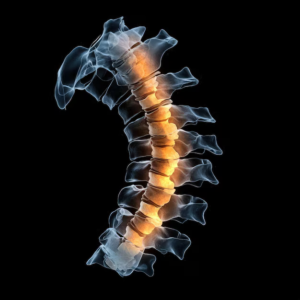
How We Treat Muscle Tension
Effective treatment requires addressing both the symptom (tight muscles) and the root cause (posture, spine alignment, nerve irritation, or movement dysfunction). Our clinic uses a comprehensive approach including:
01.
Massage & Soft Tissue Therapies
Relax tight muscles, increase blood flow, and accelerate recovery.
02.
Decompression Therapy
For tension associated with disc compression or nerve irritation.
03.
Corrective Exercise
Customized stretches and strengthening routines that fix the underlying biomechanical problems causing muscle tension.
04.
Chiropractic Adjustments
Correcting spinal misalignments reduces joint stress, improves nerve communication, and allows muscles to relax naturally.
05.
Posture Rehab
Training programs that retrain the body to maintain proper alignment during work, exercise, and daily activities.
06.
Myofascial Release Therapy
Hands-on soft tissue work that breaks down adhesions, eliminates knots, and restores healthy muscle mobility.
07.
Stress-Reduction Guidance
Breathing, ergonomics, and lifestyle adjustments to keep muscles from re-tightening.
- FOR ASSISTANCE
Benefits of Treating Muscle Tension
Patients often report:
- Significant pain relief
- Fewer headaches
- Better sleep
- Improved flexibility and mobility
- Reduced stress
- Stronger posture
- Enhanced athletic performance
- Less reliance on medications
- Long-term prevention of chronic pain
When you treat muscle tension the right way — by addressing the cause, not just the symptoms — the results are life-changing.
What Causes Muscle Tension?
Muscle tension can develop gradually or suddenly. Some of the most common causes include:
Postural imbalances
- Sitting at a desk for 6–10 hours a day
- Forward-head posture
- Rounded shoulders
- Weak core muscles
- Hip flexor tightness
Chronic posture issues force muscles to work harder than they’re designed to, creating knots, spasms, and constant tightness.
Spinal misalignments
When vertebrae shift out of optimal position, the surrounding muscles contract to “protect” the area. This creates persistent tension, even when resting.
Nerve irritation
When nerves become compressed or inflamed (often from disc issues or misalignments), muscles along that nerve pathway can tighten defensively.
Stress & anxiety
When the body enters “fight or flight,” muscles tighten automatically — especially in the neck, shoulders, jaw, and lower back. Emotional stress often becomes physical tension.
Overuse or repetitive motion
- Lifting
- Driving
- Typing
- Sports
- Poor gym form
Repetitive strain causes micro-trauma that the body compensates for, leading to tightness and inflammation.
Inadequate recovery
Poor sleep, dehydration, and nutrient deficiencies can worsen muscle tightness and delay healing.
Symptoms of Muscle Tension
Muscle tension is not just tightness — it often presents with:
Aching or burning pain
Limited range of motion
Muscle spasms or cramping
Headaches or migraines
Difficulty turning the neck
Shoulder stiffness
Low back tightness
Hip or glute knots
Fatigue or weakness
For many patients, muscle tension becomes a daily cycle, getting worse with stress, work, and inactivity.

Muscle tension is a common issue that arises when muscles remain partially contracted for extended periods, often due to stress, poor posture, overuse, or injury. This persistent tightness can lead to discomfort, restricted movement, headaches, and even chronic pain if left unaddressed. Many individuals experience muscle tension as a daily burden that affects their productivity, sleep, and overall well-being.
Chiropractic care helps relieve muscle tension by addressing the underlying mechanical imbalances and movement patterns that contribute to tightness. Through targeted adjustments, soft-tissue therapy, stretching techniques, and corrective exercises, chiropractors work to restore proper alignment and ease muscular strain.
This natural, hands-on approach not only reduces discomfort but also enhances mobility, promotes relaxation, and supports long-term musculoskeletal health.