
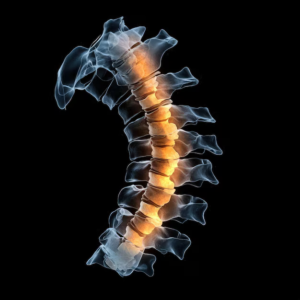
Fascial tension in the cervical and thoracic regions often leads to forward head posture, limited range of motion, and tension headaches.
Myofascial Release
Myofascial Release at
The Decompression Clinic
Targeted Soft Tissue Therapy to Reduce Pain, Restore Mobility, and Improve Muscular Function
Myofascial release is one of the most powerful soft tissue therapies offered at The Decompression Clinic. It is a hands-on technique designed to relieve tension, break up adhesions, improve circulation, and reduce pain caused by tight or dysfunctional fascia — the connective tissue that surrounds every muscle, joint, and organ in the body.
Most people who struggle with chronic tightness, back pain, neck pain, trigger points, postural tension, or stiffness are dealing with underlying fascial restrictions. When the fascia becomes tight, scarred, inflamed, or “stuck,” it restricts movement, alters posture, and places increased stress on joints and nerves.
Myofascial release works by restoring the integrity of this tissue so the body can move naturally again.
Conditions That Benefit From Myofascial Release
At The Decompression Clinic in Bend, Oregon, myofascial release is integrated with chiropractic adjustments, corrective exercises, and decompression therapy to create a complete solution for musculoskeletal pain, mobility issues, and long-term recovery.
Myofascial release is clinically effective for patients dealing with:
01.
Back pain & lower back instability
Tight fascia in the lower back and hips contributes to lumbar stiffness, disc compression, and compensatory muscle spasms.
02.
Neck Pain & Upper Back Tightness
03.
Headaches & Migraines
Trigger points and fascial tension around the neck and shoulders are common migraine triggers.
04.
Shoulder & Rotator Cuff Issues
Myofascial release helps restore normal shoulder mechanics and reduces strain on stabilizer muscles.
05.
Hip & Pelvic Tightness
Releasing the fascia around the hip, IT band, and glutes improves mobility and reduces load on the lumbar spine.
06.
Sciatica
Tight fascia in the glutes or piriformis can compress the sciatic nerve.
07.
Postural Stress from Work
Ideal for people who sit for long hours or work in physically demanding jobs.
08.
Sports Injuries
Improves tissue elasticity, speeds healing, and prevents re-injury.
- FOR ASSISTANCE
What Is Myofascial Release?
Myofascial release is a manual therapy technique focused on releasing tension in the fascia — the web-like connective tissue that connects muscle groups and transfers force throughout the body.
Tight or damaged fascia can cause:
- Pain (localized or referred)
- Restricted mobility
- Postural distortions
- Muscle imbalances
- Chronic tightness
- Nerve irritation
- Pressure on discs or joints
- Trigger points and knots
Myofascial release applies slow, sustained pressure to these areas, allowing the tissues to soften, lengthen, and return to proper function. Unlike deep tissue massage, this technique focuses on solving the root cause of tightness, not just temporarily relaxing muscles.
How Myofascial Release Is Performed at The Decompression Clinic
Dr. Plasker uses a precise, evidence-informed clinical method, combining several forms of myofascial therapy:
These methods restore the natural glide of muscles and fascia, reduce pain, and allow the body to move without resistance or compensation.
01.
Direct Myofascial Pressure
Sustained pressure into restricted tissues to release adhesions and scar tissue.
02.
When movement patterns improve, inflammation decreases and healing accelerates.
Hip dysfunction
03.
When movement patterns improve, inflammation decreases and healing accelerates.
Gait abnormalities
04.
Lumbar and cervical instability
When movement patterns improve, inflammation decreases and healing accelerates.
05.
Compensation strategies
When movement patterns improve, inflammation decreases and healing accelerates.
06.
Mobility restrictions
When movement patterns improve, inflammation decreases and healing accelerates.
07.
Muscle firing imbalances (glutes vs. low back, deep core vs. superficial core, etc.)
How Myofascial Release Is Performed at The Decompression Clinic
Dr. Plasker uses a precise, evidence-informed clinical method, combining several forms of myofascial therapy:
These methods restore the natural glide of muscles and fascia, reduce pain, and allow the body to move without resistance or compensation.
01.
Direct Myofascial Pressure
Sustained pressure into restricted tissues to release adhesions and scar tissue.
02.
Trigger Point Therapy
Targeting hyper-irritable points in tight muscle bands that refer pain to other areas.
03.
Active Myofascial Release
Combining manual pressure with patient movement to break up adhesions along functional lines.
04.
Cross-Fiber Techniques
Used to mobilize stiff layers of fascia and increase tissue elasticity.
05.
Myofascial Stretching
Gentle, deep stretching to lengthen restricted connective tissue and improve flexibility.
Why Myofascial Release Works So Well With Other Treatments
At The Decompression Clinic, we integrate myofascial release with:
Together, these treatments create a highly effective, long-term solution for pain relief and mobility improvement.
01.
Spinal Adjustments
Releasing tight fascia allows adjustments to hold longer and reduces muscle guarding.
02.
Spinal Decompression
Improves tissue flexibility, making decompression more effective for disc injuries.
03.
Corrective Exercise
Restores proper muscle activation once the fascia is no longer restricting movement.
Why Myofascial Release Matters for Long-Term Pain Relief
Fascial restrictions often develop due to:
Poor posture
Repetitive strain
Previous injuries
Scar tissue from microtears
Chronic inflammation
Joint misalignments
Overactive compensatory muscles
Sedentary lifestyle or long hours sitting
Myofascial release breaks this cycle by restoring optimal tissue function, improving circulation, and allowing joints and muscles to move freely again.
These restrictions don’t go away on their own.
They create a cycle of:
- Tight fascia
- Misalignment
- Muscle compensation
- More pain and stiffness
This creates a stronger cervical spine and reduces strain on discs and nerves.
What Myofascial Release Feels Like
Patients describe the experience as:
- Deep pressure
- A “healthy discomfort”
- Relief that increases gradually
- Tension melting away
- Better movement immediately afterward
Because the technique is slow and controlled, most patients find it comfortable and highly therapeutic.
Posture and alignment
Muscle activation
Mobility and flexibility
Circulation and lymphatic flow
Long-Term Benefits of Myofascial Release
Patients experience improvements in:
Myofascial release also helps prevent future injuries by ensuring that tissues move in harmony rather than working against each other.
Pain tolerance and recovery speed
Stress and muscle tension levels
Overall joint function
Athletic performance
Myofascial Release at The Decompression Clinic in Bend, Oregon
The Decompression Clinic

Patients choose The Decompression Clinic because of our clinical precision, integrative treatment style, and long-term focus. Myofascial release is a foundational tool in helping patients:
- Relieve chronic muscle tightness
- Break up scar tissue and adhesions
- Recover from posture-related pain
- Address the root cause of stiffness and mobility limitations
- Improve alignment and movement patterns
- Support faster healing from injuries
- Reduce inflammation and nerve irritation
Myofascial release is not just a massage — it is a targeted clinical therapy designed to help the body move freely, breathe better, and function at its highest level.