
Non-Invasive Pain Relief Treatment: Safe, Drug-Free Solutions for Chronic Pain
Chronic pain affects millions of people worldwide and can significantly reduce quality of life. Whether it originates from the spine, joints, muscles, or nerves, persistent pain often interferes with daily activities, work performance, sleep quality, and emotional well-being. Traditionally, many patients relied on medications or surgery to manage pain. However, today there is a growing shift toward non-invasive pain relief treatments that focus on addressing the root cause of discomfort without surgery, injections, or long-term drug dependency.
Non-invasive pain management has become a preferred approach in modern healthcare because it is safer, more natural, and often highly effective when properly applied. This article explores what non-invasive pain relief treatment means, how it works, the different types available, the conditions it helps, and what patients can expect from these therapies.
What Is Non-Invasive Pain Relief Treatment?
Non-invasive pain relief treatment refers to any therapy that helps reduce or eliminate pain without breaking the skin, performing surgery, or using invasive medical procedures. These treatments aim to support the body’s natural healing abilities while minimizing risk, recovery time, and side effects.
Instead of masking pain with strong medications or altering the body surgically, non-invasive approaches focus on improving function, reducing inflammation, restoring mobility, and relieving pressure on affected tissues.
Common goals include:
- Reducing inflammation and nerve irritation
- Improving blood flow and circulation
- Restoring joint and spinal alignment
- Enhancing mobility and flexibility
- Supporting tissue healing and repair
This approach is widely used for back pain, neck pain, joint pain, nerve-related conditions, sports injuries, and degenerative disorders.
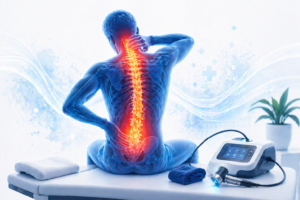
Conditions Treated with Non-Invasive Pain Relief
Non-invasive therapies are used for a wide range of conditions, especially those involving the musculoskeletal and nervous systems.
Chronic Back Pain
One of the most common conditions treated with non-invasive methods. It may result from disc degeneration, muscle strain, or spinal misalignment.
Neck Pain and Cervical Issues
Often caused by poor posture, screen use, or injury.
Sciatica
Sciatica is a condition where nerve compression leads to radiating pain from the lower back down the leg.
Herniated or Bulging Discs
Disc-related conditions respond well to decompression and rehabilitation therapies.
Arthritis and Joint Pain
Non-invasive care can help reduce stiffness and improve joint mobility.
Sports Injuries
Sprains, strains, and overuse injuries often recover well with conservative treatment.
Benefits of Non-Invasive Pain Relief Treatment
Non-invasive pain management offers several important benefits:
No Surgery Required
Patients can avoid invasive procedures and associated risks.
Minimal Side Effects
Unlike medications, non-invasive therapies typically have very few side effects.
Personalized Treatment Plans
Care is often tailored to the patient’s specific condition and needs.
Improved Quality of Life
Reduced pain leads to better sleep, mobility, and daily functioning.
Long-Term Prevention
Many treatments focus on preventing future pain episodes, not just short-term relief.
Types of Non-Invasive Pain Relief Treatments
There are several effective non-invasive therapies used in modern pain management clinics. Each works differently depending on the cause and location of pain.
1. Spinal Decompression Therapy
One of the most widely used non-invasive treatments for back and neck pain is spinal decompression therapy. It involves gently stretching the spine using a motorized traction table to relieve pressure on spinal discs and nerves.
This method is especially helpful for conditions such as herniated discs, bulging discs, and nerve compression.
By creating negative pressure within the spinal discs, it may help:
- Reduce nerve pressure
- Improve disc hydration
- Support natural disc healing
- Improve spinal alignment
This therapy is often used in chiropractic and rehabilitation clinics as part of a broader treatment plan.
3. Heat and Cold Therapy
Simple yet effective, heat and cold treatments help manage pain and inflammation.
- Cold therapy reduces swelling and numbs sharp pain
- Heat therapy relaxes muscles and improves blood flow
These methods are often used in combination with other treatments.
5. Massage Therapy
Massage therapy helps release muscle tension, improve circulation, and reduce stress-related pain. It is especially beneficial for soft tissue injuries and chronic muscle tightness.
Benefits include:
- Reduced muscle stiffness
- Improved blood circulation
- Stress and anxiety relief
- Enhanced mobility
2. Chiropractic Care
Chiropractic treatment focuses on restoring proper alignment of the spine and musculoskeletal system. Through manual adjustments, chiropractors help improve joint mobility and reduce nerve interference.
It is commonly used for:
- Back pain
- Neck pain
- Headaches
- Postural imbalances
Chiropractic care is often combined with other non-invasive therapies for better results.
4. Physical Therapy and Rehabilitation
Physical therapy plays a key role in restoring strength, flexibility, and function. Therapists design personalized exercise programs that target weak muscles, improve posture, and stabilize joints.
Common techniques include:
- Stretching exercises
- Strength training
- Core stabilization
- Movement correction
This approach is highly effective for injury recovery and long-term pain prevention.
6. Posture Correction and Ergonomic Therapy
Poor posture is one of the leading causes of chronic back and neck pain. Ergonomic correction focuses on improving sitting, standing, and movement habits.
This may involve:
- Workplace adjustments
- Postural training
- Movement education
- Lifestyle modifications
Over time, correcting posture can significantly reduce recurring pain.
Why Non-Invasive Treatments Are Becoming More Popular
In recent years, there has been a major shift in how patients and healthcare providers approach pain management. Many people now prefer non-invasive treatments for several reasons:
01.
Avoiding Surgery Risks
Surgery always carries risks such as infection, anesthesia complications, scar tissue formation, and long recovery periods. Non-invasive treatments eliminate these concerns.
02.
Reducing Medication Dependence
Painkillers, especially opioids, can lead to dependency, side effects, and long-term health issues. Non-invasive therapies provide a drug-free alternative.
03.
Faster Recovery Time
Most non-invasive treatments allow patients to resume normal activities immediately or within a short period.
04.
Holistic Healing Approach
These therapies often focus on overall body function, posture, and lifestyle improvements rather than just symptoms.
05.
Long-Term Results
Instead of temporary relief, many non-invasive methods aim to correct underlying structural or functional issues.
What to Expect During Treatment
The experience of non-invasive pain relief treatment varies depending on the method used, but most approaches follow a similar pattern:
01.
Initial consultation and diagnosis
02.
Physical evaluation and imaging review (if needed)
03.
Customized treatment plan
04.
Regular therapy sessions over weeks or months
05.
Progress monitoring and adjustments
Most treatments are painless or involve only mild discomfort as the body adjusts and heals.
Who Can Benefit Most?
Non-invasive pain relief treatments are ideal for individuals who:
01.
Want to avoid surgery
02.
Prefer drug-free pain management
03.
Suffer from chronic or recurring pain
04.
Have not responded well to medications alone
05.
Seek long-term improvement rather than temporary relief
These therapies are suitable for a wide range of age groups and lifestyles.
Is Non-Invasive Treatment Safe?
In general, non-invasive pain relief treatments are considered very safe when performed by trained professionals. However, effectiveness depends on correct diagnosis and consistent treatment.
Some patients may require medical evaluation before starting therapy, especially if they have:
- Severe spinal damage
- Advanced neurological conditions
- Fractures or acute trauma
A professional assessment ensures the safest and most effective care plan.
Final Thoughts
Non-invasive pain relief treatment represents a modern, patient-friendly approach to managing chronic pain without surgery or long-term medication use. By focusing on restoring function, improving alignment, and supporting the body’s natural healing processes, these therapies offer a safe and effective alternative for many individuals.
While not every condition can be fully resolved without medical or surgical intervention, many patients experience significant improvement in pain levels, mobility, and overall quality of life through non-invasive care.
If you are struggling with persistent pain, consulting a qualified healthcare or chiropractic professional can help determine the most appropriate non-invasive treatment plan for your condition.