Non-Surgical Back Pain Treatment: Safe, Effective Relief Without Surgery
Back pain is one of the leading causes of disability worldwide, affecting people of all ages and lifestyles. Whether it stems from poor posture, injury, degenerative disc conditions, or nerve compression, chronic back pain can significantly reduce quality of life. Many individuals assume surgery is the only solution for severe or long-term spinal problems, but in reality, non-surgical back pain treatment options are often the first and most effective line of care.
Today, advances in chiropractic care, physical therapy, and spinal decompression techniques offer patients safer, drug-free alternatives to surgery. This article explores the causes of back pain, how non-surgical treatments work, and why they are becoming increasingly popular among patients seeking long-term relief.
Understanding the Root Cause of Back Pain
Back pain is not a single condition—it is a symptom caused by a variety of underlying spinal issues. The spine is made up of vertebrae, discs, nerves, ligaments, and muscles that all work together to support movement and stability. When any of these structures become irritated or damaged, pain can occur.
Some of the most common causes include:
- Herniated or bulging discs
- Degenerative disc disease
- Sciatica (nerve compression)
- Spinal stenosis (narrowing of the spinal canal)
- Muscle strain or ligament injury
- Poor posture and sedentary lifestyle
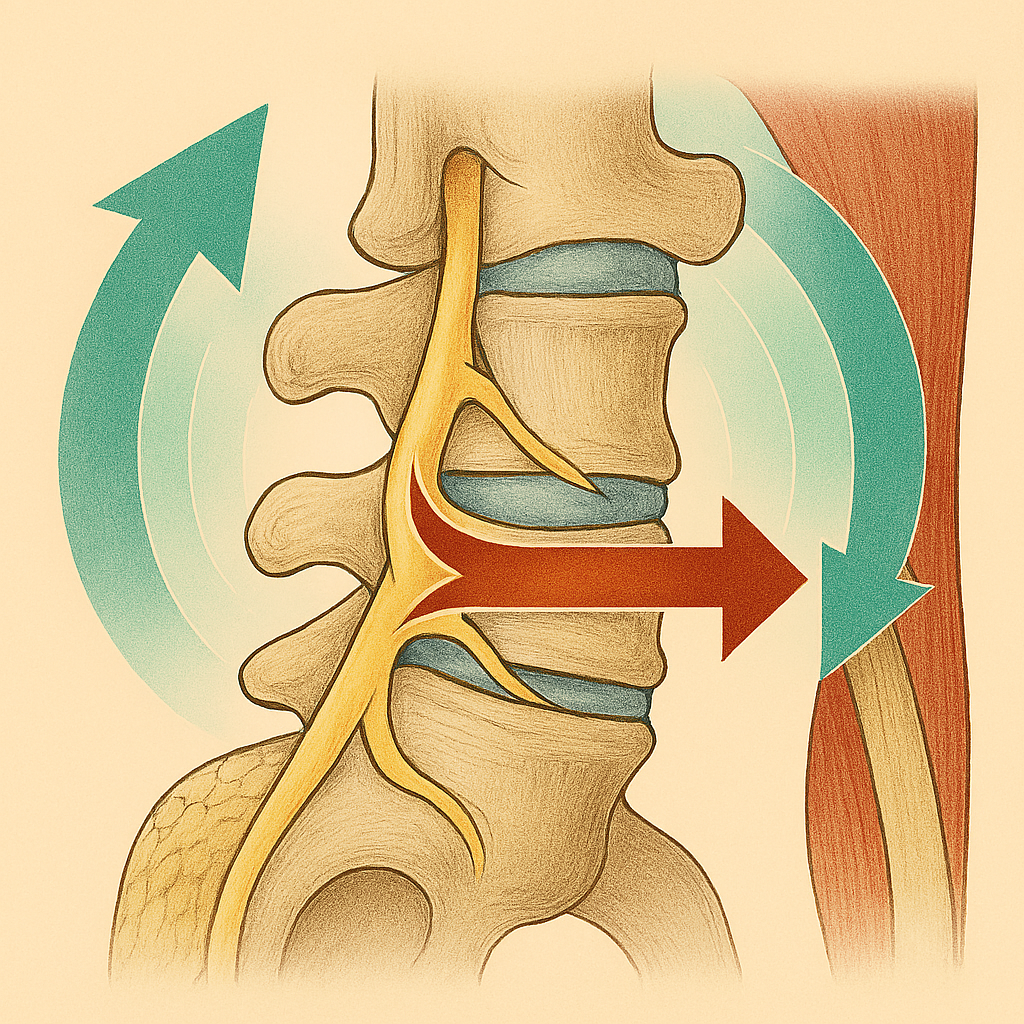
When spinal discs become compressed or misaligned, they may press on nearby nerves, leading to pain, numbness, tingling, or weakness in the back and limbs. According to clinical research, spinal compression is one of the most common contributors to chronic back pain conditions .

Conditions Treated with Non-Surgical Back Pain Therapy
Non-surgical treatments are commonly recommended for a wide range of spinal conditions, especially those involving disc and nerve compression.
Herniated or Bulging Discs
When spinal discs protrude or rupture, they can irritate nearby nerves and cause sharp pain, numbness, or weakness.
Sciatica
Sciatica occurs when the sciatic nerve is compressed, leading to pain that radiates from the lower back down the legs.
Degenerative Disc Disease
As discs age, they lose hydration and height, leading to stiffness, inflammation, and chronic pain.
Spinal Stenosis
A narrowing of the spinal canal can compress nerves and cause difficulty walking or standing for long periods.
Chronic Lower Back Pain
Even without a specific injury, long-term postural stress and spinal imbalance can lead to persistent discomfort.
These conditions often respond well to conservative care before considering surgical intervention.
Benefits of Non-Surgical Back Pain Treatment
One of the biggest advantages of non-surgical care is that it is low-risk, non-invasive, and drug-free. Patients often choose this route to avoid the complications and recovery time associated with surgery.
Avoids Surgery and Its Risks
Surgery carries risks such as infection, nerve damage, and long recovery periods. Non-surgical care avoids these complications.
Pain Relief Without Medication Dependence
Many patients reduce or eliminate reliance on painkillers through natural treatment methods.
Improves Mobility and Function
As pressure on the spine decreases, patients often experience improved flexibility and movement.
Targets the Root Cause
Instead of masking symptoms, treatments like decompression focus on spinal alignment and disc health.
Supports Long-Term Healing
With consistent care, spinal tissues may regain strength and stability over time.
While results vary, many patients report noticeable improvement in pain levels and daily function after a structured treatment plan.
What Is Non-Surgical Back Pain Treatment?
Non-surgical back pain treatment refers to a range of therapies designed to relieve pain, improve spinal function, and support healing without invasive surgery. These treatments focus on reducing pressure on spinal discs and nerves while restoring proper alignment and mobility.
Unlike surgery, which physically removes or alters spinal structures, non-surgical treatments aim to work with the body’s natural healing processes.
Common non-surgical treatment approaches include:
- Spinal decompression therapy
- Chiropractic adjustments
- Physical therapy and corrective exercises
- Massage therapy
- Anti-inflammatory care and lifestyle modification
Among these, spinal decompression therapy has gained significant attention for its ability to target disc-related pain and nerve compression.
What to Expect During Treatment
Non-surgical back pain treatment is typically performed in outpatient clinics and does not require hospitalization.
A typical care plan may include:
- Initial spinal evaluation and imaging review
- Customized treatment plan based on condition severity
- Multiple therapy sessions per week
- Combination of decompression, stretching, and rehabilitation exercises
Each spinal decompression session usually lasts 20–45 minutes, depending on the patient’s condition.
Patients remain fully clothed and can return to normal daily activities immediately afterward in most cases.
Non-Surgical Care vs Surgery
Understanding the difference between non-surgical and surgical options is important.
Non-Surgical Treatment
- No incisions or anesthesia
- Focus on spinal alignment and healing
- Gradual improvement over time
- Minimal downtime
Surgical Treatment
- Involves removing or repairing spinal structures
- Used for severe nerve compression or structural damage
- Requires recovery and rehabilitation period
- Higher risk profile
Most healthcare providers recommend trying conservative treatment first unless the condition is severe or worsening.
How Spinal Decompression Therapy Works
Spinal decompression therapy is a specialized, non-invasive treatment that gently stretches the spine using a motorized traction system. The goal is to relieve pressure between spinal discs and create an environment that supports healing.
During a session:
- The patient lies on a decompression table
- A harness is placed around the lower back or neck
- The system applies controlled stretching cycles
- The spine is gently lengthened and relaxed repeatedly
This process creates negative pressure within the spinal discs. This negative pressure may help:
- Pull bulging or herniated disc material inward
- Improve nutrient and oxygen flow to damaged discs
- Reduce nerve compression
- Promote natural healing of spinal tissues
According to medical reviews, nonsurgical spinal decompression works by reducing pressure on spinal nerve roots and improving disc space alignment .
Is Non-Surgical Treatment Safe?
For most patients, non-surgical spinal treatments are considered safe when performed by trained professionals. However, like any therapy, it may not be suitable for everyone.
It may not be recommended for individuals with:
- Severe osteoporosis
- Spinal fractures
- Metal implants in the spine
- Advanced spinal instability
- Certain medical complications requiring surgical care
A thorough evaluation is always necessary before starting treatment.
Who Can Benefit Most?
Non-surgical back pain treatment is often ideal for individuals who:
- Have chronic or recurring back pain
- Experience disc-related conditions
- Want to avoid surgery
- Have not responded well to medications alone
- Are looking for long-term spinal health improvement
It is especially beneficial for those seeking a holistic, conservative approach to spinal care.
Final Thoughts
Non-surgical back pain treatment offers a safe and effective alternative for individuals struggling with spinal discomfort and nerve-related pain. By focusing on spinal decompression, alignment, and natural healing, these therapies aim to restore function without invasive procedures.
While not every case can be resolved without surgery, many patients experience significant relief and improved quality of life through conservative care approaches.
If you are dealing with ongoing back pain, the best step is to consult a qualified spine specialist or chiropractic clinic to determine the most appropriate treatment plan for your condition.