
Non-Surgical Spinal Decompression: A Safer, Smarter Alternative to Back Surgery
Back pain has become one of the most common health problems in today’s fast-paced world. Whether caused by poor posture, sedentary lifestyles, injuries, or degenerative conditions, spinal issues can significantly affect daily life. Traditionally, surgery was often considered the ultimate solution for severe back problems. However, with advancements in medical science, non-surgical spinal decompression therapy has emerged as a powerful, safe, and effective alternative.
This article explores the concept of non-surgical spinal decompression, compares it with surgery, and explains why many patients and healthcare professionals are increasingly choosing this modern, non-invasive treatment.
Understanding Spinal Decompression Therapy
Non-surgical spinal decompression is a therapeutic technique that gently stretches the spine using a specialized traction table or device. This process creates negative pressure within the spinal discs, allowing them to retract and heal naturally.
The therapy works by:
- Relieving pressure on compressed nerves
- Improving blood flow and nutrient exchange in spinal discs
- Promoting natural healing of damaged or herniated discs
According to medical insights, this gentle stretching helps reduce disc bulging and supports recovery without the need for invasive procedures.
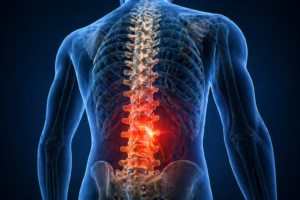
Why Back Pain Occurs
Before choosing a treatment, it’s important to understand the root causes of spinal problems. Common conditions include.
- Herniated or bulging discs
- Sciatica
- Degenerative disc disease
- Spinal stenosis
- Chronic neck and lower back pain
These conditions often involve pressure on spinal nerves, leading to pain, numbness, and reduced mobility. Non-surgical decompression directly targets this pressure, addressing the root cause rather than just masking symptoms.
What Makes Non-Surgical Decompression Different?
Unlike surgery, spinal decompression therapy is:
- Non-invasive (no cuts or stitches)
- Drug-free
- Low-risk
- Comfortable and gradual
Patients typically undergo multiple sessions over several weeks, allowing the body to heal naturally.
One of the biggest advantages is that it does not permanently alter the spine’s structure, making it a reversible and flexible treatment option.
Who Can Benefit from This Treatment?
Non-surgical spinal decompression is suitable for individuals suffering from:
- Chronic back or neck pain
- Herniated or bulging discs
- Sciatica
- Degenerative disc disease
- Post-surgical pain (in some cases)
It is especially beneficial for those who want to avoid surgery or have not found relief from other conservative treatments.
When Is Surgery Necessary?
While non-surgical decompression is highly effective, surgery may still be required in certain situations, such as:
- Severe nerve compression
- Loss of bladder or bowel control
- Spinal fractures or tumors
- Progressive neurological deficits
In such cases, surgery can provide immediate structural correction and relief. However, experts generally recommend trying non-invasive treatments first whenever possible.
Spinal Decompression vs Surgery: Key Differences
1. Invasiveness
- Non-surgical decompression: No incisions or anesthesia required
- Surgery: Involves cutting, stitching, and medical intervention
This alone makes decompression a preferred choice for patients who want to avoid surgical risks.
2. Risk Factors
Non-surgical decompression carries minimal risks, usually limited to mild soreness or temporary discomfort.
On the other hand, spinal surgery comes with significant risks such as:
- Infection
- Nerve damage
- Blood clots
- Anesthesia complications
In some cases, patients may even develop Failed Back Surgery Syndrome, where pain persists after surgery.
3. Recovery Time
Recovery is one of the biggest deciding factors:
- Decompression therapy: Minimal downtime; patients can often continue daily activities
- Surgery: Recovery may take weeks or even months, often requiring rehabilitation
This makes non-surgical treatment ideal for working professionals and active individuals.
4. Cost Comparison
Cost plays a major role in treatment decisions:
- Non-surgical decompression: Generally affordable, with gradual treatment sessions
- Surgery: Can cost tens of thousands, including hospital stays and follow-ups
Studies show that decompression therapy is significantly more cost-effective, especially for long-term care.
5. Effectiveness
Non-surgical decompression has shown excellent results for many patients, particularly those with moderate spinal conditions. It helps:
- Reduce pain
- Improve mobility
- Restore spinal function
Surgery, while effective in severe cases, often provides quicker but not always permanent relief. In fact, some patients experience recurring symptoms years after surgery.
Realistic Expectations from Treatment
It is important to understand that non-surgical decompression is not an instant fix. Results are gradual and depend on factors such as:
- Severity of the condition
- Patient’s lifestyle
- Consistency in treatment sessions
Most patients begin to notice improvement within a few weeks, with significant relief over time.
Benefits of Non-Surgical Spinal Decompression
Natural Healing Process
This therapy enhances the body’s natural ability to heal by improving nutrient flow to spinal discs.
Pain Relief Without Medication
Patients can experience relief without relying on painkillers or injections.
Improved Mobility
Many patients notice increased flexibility and reduced stiffness after treatment.
Minimal Side Effects
Compared to surgery, the risks are extremely low and manageable.
No Downtime
Patients can resume normal activities almost immediately after sessions.
Personalized Treatment
Each therapy plan is tailored to the individual’s condition, ensuring optimal results.
The Growing Preference for Non-Surgical Solutions
Modern healthcare is shifting toward conservative and patient-friendly treatments. Non-surgical spinal decompression fits perfectly into this approach because it:
- Avoids unnecessary risks
- Reduces healthcare costs
- Focuses on long-term wellness
- Keeps future treatment options open
Importantly, choosing decompression therapy does not eliminate the possibility of surgery later. However, opting for surgery first is often irreversible.
Combining Therapies for Better Results
For optimal outcomes, spinal decompression is often combined with:
- Physical therapy
- Chiropractic care
- Exercise programs
- Lifestyle modifications
This holistic approach ensures long-term relief and prevents recurrence of pain.
Final Thoughts
Non-surgical spinal decompression represents a breakthrough in the treatment of back pain and spinal disorders. It offers a safe, effective, and affordable alternative to surgery, allowing patients to heal naturally without the risks associated with invasive procedures.
While surgery remains an important option for severe cases, it should typically be considered a last resort. For many individuals, non-surgical decompression provides the perfect balance between effectiveness and safety.
If you are struggling with chronic back pain, exploring non-invasive treatments like spinal decompression could be the key to reclaiming a pain-free, active life—without going under the knife.
Conclusion
Choosing between spinal decompression and surgery is a significant decision. By understanding the benefits, risks, and long-term outcomes of each option, patients can make informed choices that prioritize both health and quality of life. In many cases, the safest path to recovery begins not in the operating room—but with non-surgical care.