
Pain Relief and the Science of Spinal Decompression: A Comprehensive Guide
Chronic pain — especially in the neck and lower back — affects millions of people worldwide. It limits mobility, disrupts daily activities, and reduces quality of life. While pain medications and surgical interventions are common solutions, many patients seek alternatives that offer long-term relief with fewer risks and side effects. One such approach that has gained recognition in recent years is spinal decompression therapy — a non-surgical, drug-free method designed to address the root causes of back and nerve pain by relieving pressure within the spine.
This article explores what spinal decompression is, how it works, its benefits, scientific basis, conditions it can treat, what to expect during therapy, and considerations for pain relief. By the end, you’ll have a clear understanding of why spinal decompression has become a widely discussed option for managing pain and improving spinal health.

Understanding Pain: A Primer on Spinal Causes
Pain in the lower back and neck often arises from compression within the spine. This compression may be due to a variety of factors:
01.
Bulging or herniated discs: Intervertebral discs can bulge out and press against nearby nerves.
02.
Sciatica: Compression of the sciatic nerve produces sharp pain, numbness, or tingling down the leg.
03.
Degenerative disc disease: With age, discs lose hydration and cushioning ability, leading to reduced space between vertebrae and nerve irritation.
04.
Spinal stenosis: Narrowing of the spinal canal compresses the spinal cord or nerve roots.
These conditions create mechanical stress on nerves and spinal tissues, triggering pain signals that can radiate to other parts of the body. Because the spine also supports posture and movement, chronic spinal pain often leads to stiffness, reduced mobility, and muscular imbalance.
What is Spinal Decompression Therapy?
Spinal decompression therapy is a non-invasive treatment that aims to reduce pressure on spinal discs and nerves by gently stretching the spine. This creates a slight negative pressure (or vacuum effect) within the intervertebral discs, which can:
- Reduce nerve compression
- Draw herniated disc material back toward its normal position
- Encourage fluid exchange and nutrient flow
- Support the body’s natural healing processes
This therapy is typically delivered using a specialized table or traction device that applies controlled, gentle stretching forces along the spine. Unlike traditional traction, modern decompression systems are often computerized and precisely calibrated to a patient’s anatomy and condition.
The intended outcome is pain relief at the source — not just masking symptoms but promoting physiological changes that help injured tissues heal.
Benefits of Spinal Decompression for Pain Relief
When performed correctly and on appropriate candidates, spinal decompression therapy offers many potential benefits:
1. Pain Relief Without Surgery or Drugs
One of the strongest appeals of decompression therapy is its non-invasive nature. Patients can often avoid surgery, which carries risks like infection, anesthesia complications, and lengthy recovery periods.
Similarly, decompression provides an alternative to long-term pain medication use, which can lead to dependency or side effects. By addressing mechanical causes of pain directly, decompression offers a pathway to relieve discomfort naturally and sustainably.
2. Improved Mobility and Functionality
Chronic back or neck pain often limits range of motion. By reducing nerve compression and improving disc health, decompression therapy:
- Enhances flexibility
- Improves posture
- Supports better daily function and activity tolerance
These improvements can make daily tasks — from walking to bending — less painful and more efficient.
3. Promotes Natural Healing
Rather than just suppressing pain signals, decompression therapy encourages the body’s natural healing mechanisms:
- Rehydrates discs that have lost cushioning ability.
- Encourages nutrient flow for tissue repair.
- Helps restore normal spinal mechanics.
This foundational healing aspect distinguishes decompression from treatments that solely treat symptoms.
4. Reduces Dependence on Pain Medications
Many chronic pain sufferers rely on medication for temporary relief. However, spinal decompression targets the source of pain, which can reduce the need for drugs and limit long-term dependency on analgesics and anti-inflammatory medications.
5. Potential to Avoid or Delay Surgery
For patients with certain types of disc herniations or nerve compression, decompression therapy can be a viable alternative to surgical intervention, especially when surgery carries increased risk due to age or health conditions.
Safety, Considerations, and Limitations
While spinal decompression therapy offers many benefits, it’s important to understand its limitations and who may not be an ideal candidate.
Potential Side Effects
- Temporary soreness or mild discomfort during or after sessions
- Muscle spasms
- Short-term tingling as nerves adjust
These effects are typically mild and resolve quickly.
How Spinal Decompression Works: The Mechanism
To understand how spinal decompression delivers pain relief, it’s important to look at the biomechanics involved.
1. Creation of Negative Intradiscal Pressure
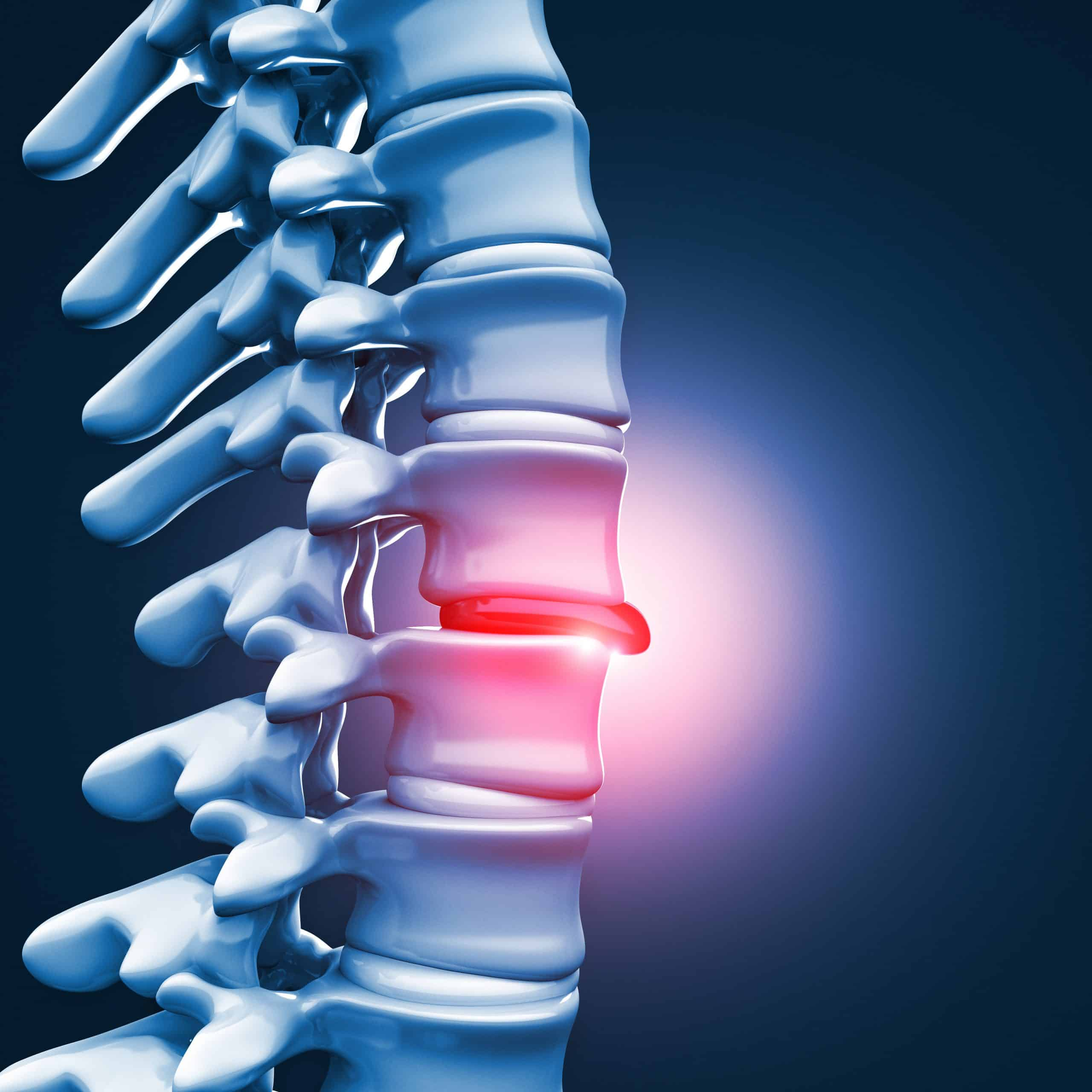
Spinal discs are gel-like cushions between the vertebrae. When compressed, they can bulge or herniate, putting pressure on nearby nerve roots. Spinal decompression gently stretches the spine, creating a negative pressure environment inside the disc. This vacuum effect:
- Encourages herniated or bulging disc material to retract.
- Relieves direct pressure on nerve roots.
- Reduces mechanical stress that leads to inflammation and pain.
This negative pressure changes the internal dynamics of the disc, often resulting in reduced pain signals.
2. Enhanced Flow of Nutrients and Fluids
Healthy discs require oxygen, water, and nutrients to maintain elasticity and function. But due to their avascular nature — meaning they don’t have a rich blood supply — discs rely on diffusion through movement to get essential nutrients.
When decompression therapy draws fluid back into the disc space, it:
- Promotes hydration, which improves cushioning.
- Encourages delivery of oxygen and nutrient-rich fluids to the injured area.
- Aids in cellular repair and tissue regeneration.
3. Reduction of Pressure on Nerves
Pain often arises when nerve roots become compressed. By increasing space between vertebrae and changing the forces acting on spinal structures, decompression therapy:
- Reduces nerve irritation
- Decreases inflammation
- Relieves symptoms like shooting pain, numbness, or tingling
This process not only helps with spine-related pain but can also alleviate radiating nerve symptoms such as sciatica.
Conditions That Can Benefit from Decompression Therapy
Spinal decompression is commonly used to relieve pain and symptoms associated with:
- Herniated or bulging discs
- Degenerative disc disease
- Sciatica (nerve pain down the leg)
- Pinched nerves
- Spinal stenosis
- Chronic lower back or neck pain
Most of these conditions involve some form of pressure on spinal nerves or discs — making decompression an appropriate approach when conservative treatments haven’t provided sufficient relief.
What Happens During a Spinal Decompression Session?
A typical session involves the following steps:
1. Patient Evaluation
Before therapy begins, a clinician assesses symptoms, medical history, and imaging (such as MRI or X-rays) to determine if decompression is suitable.
2. Patient Positioning
The patient lies comfortably on a specialized decompression table. Harnesses may be positioned around the pelvis or head, depending on whether the treatment area is lumbar (lower back) or cervical (neck).
3. Controlled Decompression
The machine gradually applies gentle stretching forces in a precise, controlled manner. Many systems use computerized feedback to adjust pull and relax cycles for safety and comfort.
4. Treatment Duration and Frequency
Sessions typically last about 20–30 minutes. A course of treatment can range from several sessions per week over a few weeks, depending on the patient’s condition and response.
Many patients describe the experience as relaxing, with minimal discomfort and no need for anesthesia or pain injections.
Who Should Avoid Decompression?
Not everyone is a candidate for decompression therapy. Patients with certain conditions may need alternative treatments, including:
Severe osteoporosis
Severe nerve damage
Certain types of spinal instability
Spinal fractures
Pregnancy
A comprehensive evaluation by a trained clinician is essential before starting therapy.
Integrating Decompression into a Broader Pain Relief Strategy
Spinal decompression is often most effective when combined with complementary therapies, such as:
01.
Massage therapy
02.
Postural training
03.
Chiropractic adjustments
04.
Physical therapy and strengthening exercises
These adjunct treatments strengthen supporting muscles, enhance flexibility, and help maintain the improvements gained through decompression therapy.
Conclusion: A Transformative Approach to Pain Relief
Pain — especially chronic spinal pain — is complex, multifaceted, and deeply personal. No single treatment fits every patient. However, spinal decompression therapy has emerged as a promising option for individuals seeking pain relief without surgery or long-term medication use.
By targeting the mechanical causes of pain — such as nerve compression and disc dysfunction — decompression offers a root-centered, physiological approach that can improve spinal health, reduce discomfort, and enhance quality of life. While outcomes vary by individual, many patients experience meaningful relief and increased mobility after completing their treatment plan.
If you struggle with persistent back or neck pain, exploring spinal decompression with a qualified provider could be a significant step toward a life with less pain and greater function.