
Restore Proper Alignment: How Spinal Decompression Works and Why It Matters for Pain Relief
Every year, millions of people suffer from chronic back or neck pain, reduced mobility, or discomfort resulting from spinal issues. From herniated discs and nerve compression to poor posture and degenerative spinal conditions, the causes vary — but a common thread underpins many of these problems: spinal misalignment and compression. When the spine is out of its optimal alignment, mechanical stress, inflammation, and nerve irritation can lead to persistent pain and reduced quality of life.
In recent years, spinal decompression therapy has emerged as a non-surgical, drug-free treatment option designed not just to reduce pain, but to restore proper alignment and support long-term spinal health. This article explains the science behind spinal decompression, how it works to improve alignment, why alignment matters, and how this therapy can be an effective part of a comprehensive pain-relief strategy.
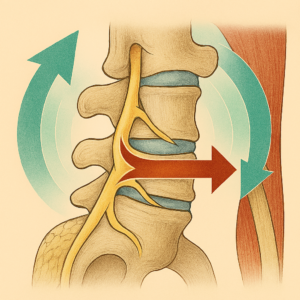
Why Proper Spinal Alignment Matters
The human spine is not a rigid column of bones; it’s a flexible structure made up of vertebrae, intervertebral discs, ligaments, muscles, and the spinal cord — the main communication highway between your brain and body. Its natural curves (cervical lordosis, thoracic kyphosis, and lumbar lordosis) help absorb shock, maintain balance, and allow flexibility.
But when these curves are altered — due to injury, poor posture from prolonged sitting, repetitive stress, sport injuries, or aging — the result is often:
01.
Uneven pressure on vertebral discs
02.
Nerve irritation and compression
03.
Muscle imbalances
04.
Reduced mobility
05.
Chronic pain and dysfunction
Misalignment doesn’t just cause pain; it also affects how your body moves, functions, and heals. When the spine is properly aligned, it distributes weight evenly, reduces stress on muscles and ligaments, and allows the discs to remain hydrated and functional. Conversely, malalignment accelerates wear and tear and contributes to chronic conditions like degenerative disc disease. Getting the spine back into its proper alignment is therefore a crucial foundation for relieving pain and restoring function.
What Is Spinal Decompression Therapy?
Spinal decompression therapy is a non-invasive treatment that gently stretches the spine, creating negative pressure within the spinal discs. This controlled stretching is typically performed using a specialized decompression table or traction system that supports the patient’s body and applies precision tension to targeted spinal segments.
Unlike older methods of traction that could be uncomfortable or less controlled, modern spinal decompression systems use advanced computerized technology to tailor the traction force for each patient’s anatomy and condition — both improving comfort and enhancing effectiveness.
How Spinal Decompression Restores Proper Alignment
1. Creating Space Between the Vertebrae
One of the primary ways spinal decompression supports alignment is by gently and precisely increasing the distance between adjacent vertebrae. This process:
- Reduces compression on spinal discs
- Encourages bulging or herniated disc material to move back toward its normal position
- Reduces pressure on encroached nerve roots
As space is restored between vertebrae, the spine can begin to realign itself with less tension from compressed discs and irritated nerves.
2. Reducing Negative Postural Stress
Poor posture — such as slouching at a desk, leaning forward while using phones or computers, and uneven weight bearing — places constant stress on the spinal curves. Over time, this causes discs to flatten and vertebrae to shift slightly out of their optimal positions.
Spinal decompression works to alleviate this chronic stress by reversing compression, allowing:
- Discs to decompress and regain hydration
- Muscles to relax and support balanced posture
- The spine to move toward its natural curves
This gradual release of tension supports structural alignment changes that are difficult to achieve through passive rest alone.
3. Improving Disc Health and Function
Intervertebral discs rely on motion and fluid exchange to stay healthy. When compressed, they lose water and nutrient supply, leading to degeneration and loss of height. Spinal decompression creates a negative pressure gradient inside the disc that:
- Draws fluids, oxygen, and nutrients back into the disc
- Promotes disc rehydration and repair
- Helps restore disc height and shock-absorbing function
A more hydrated and contiguous disc allows vertebrae to maintain healthier spacing — supporting better alignment over time.
4. Balancing Muscles and Ligaments
When the spine is misaligned, muscles and ligaments often compensate, leading to stiffness, tightness, and asymmetries. While decompression doesn’t directly adjust muscles the way manual therapy does, the relief of tension on the spinal structures:
- Reduces reflexive muscle guarding
- Allows surrounding muscles to relax
- Helps restore normal muscle length and tension relationships
Over a course of treatment, this can help the body maintain improved spinal positioning more easily.
The Core Goal: Alignment Through Pressure Relief
At the heart of spinal decompression’s benefit is its ability to reduce axial pressure on the discs and vertebrae. When the spine is compressed — whether from misaligned vertebrae, slipped discs, or repetitive strain — the discs can bulge or herniate, pressing on nearby nerve roots and causing pain. By elongating the spine in a controlled manner, spinal decompression:
- Increases space between vertebrae
- Reduces inward pressure on damaged discs
- Encourages retraction of herniated tissue
- Reduces nerve compression
- Promotes nutrient flow and healing
All of these effects help to restore proper spinal alignment by relieving the physical forces that distort spinal mechanics.
The Treatment Experience: What Happens During a Session
A typical spinal decompression session is structured, gentle, and non-invasive.
1. Initial Evaluation:
A clinician reviews medical history, symptoms, and diagnostic imaging if available to tailor the treatment protocol.
2. Positioning:
You lie comfortably on a specialized decompression table. Harnesses are placed around the pelvis or torso, depending on whether the cervical (neck) or lumbar (lower back) region is being treated.
3. Controlled Decompression Cycles:
The machine initiates a series of slow, controlled stretches of the spine. Each cycle briefly elongates and relaxes the spinal segments to create negative pressure within the discs.
4. Cycle Repetition:
Multiple distraction and relaxation cycles occur during a session, typically lasting around 20–45 minutes.
Patients often describe the experience as comfortable or gently stretching — many even find it relaxing.
Conditions that Benefit from Decompression and Alignment Restoration
Spinal decompression therapy is used to address a variety of spine-related conditions that involve compression and misalignment:
Herniated or bulging discs
Degenerative disc disease
Sciatica and nerve root compression
Spinal stenosis (narrowing of the spinal canal)
Chronic lower back or neck pain
Facet joint irritation
In these conditions, decompression’s ability to restore space and alignment helps reduce symptoms and support healing without surgery or prolonged medication use.
Combining Decompression with Other Approaches for Alignment
While decompression is powerful on its own, it’s often most effective when integrated into a broader program that supports alignment, mobility, and strength. This may include:
- Chiropractic adjustments: Manual spinal manipulation helps align the vertebrae and maintain the positioning improvements gained through decompression.
- Physical therapy: Targeted exercises strengthen core muscles and promote balanced posture.
- Postural training and ergonomics: Correct daily habits that contribute to misalignment.
- Stretching and flexibility exercises: Address tight muscles that pull the spine out of alignment.
Together, these methods provide a holistic approach that reinforces long-term alignment and reduces the likelihood of recurrence.
Is Spinal Decompression Right for You?
Spinal decompression is a promising option for people who:
- Have chronic back or neck pain that hasn’t improved with conventional treatments
- Suffer from disc-related conditions and nerve compression
- Want to avoid surgery or long-term medication use
- Are seeking to support spinal alignment and overall function
However, a qualified clinician should evaluate whether decompression is appropriate for your specific condition. Certain severe spinal conditions or underlying medical issues may require alternative or additional interventions.
Real-World Impact: Stories of Alignment and Relief
Many patients report meaningful improvements after completing sessions of spinal decompression therapy. These improvements often include:
01.
Reduced pain and discomfort
02.
Better posture and body mechanics
03.
Increased spinal flexibility and range of motion
04.
Enhanced ability to perform daily activities
05.
Reduced dependency on pain medications
While individual experiences vary, the trend of increased mobility and reduced nerve compression underscores the potential of decompression as part of a comprehensive spinal health strategy.
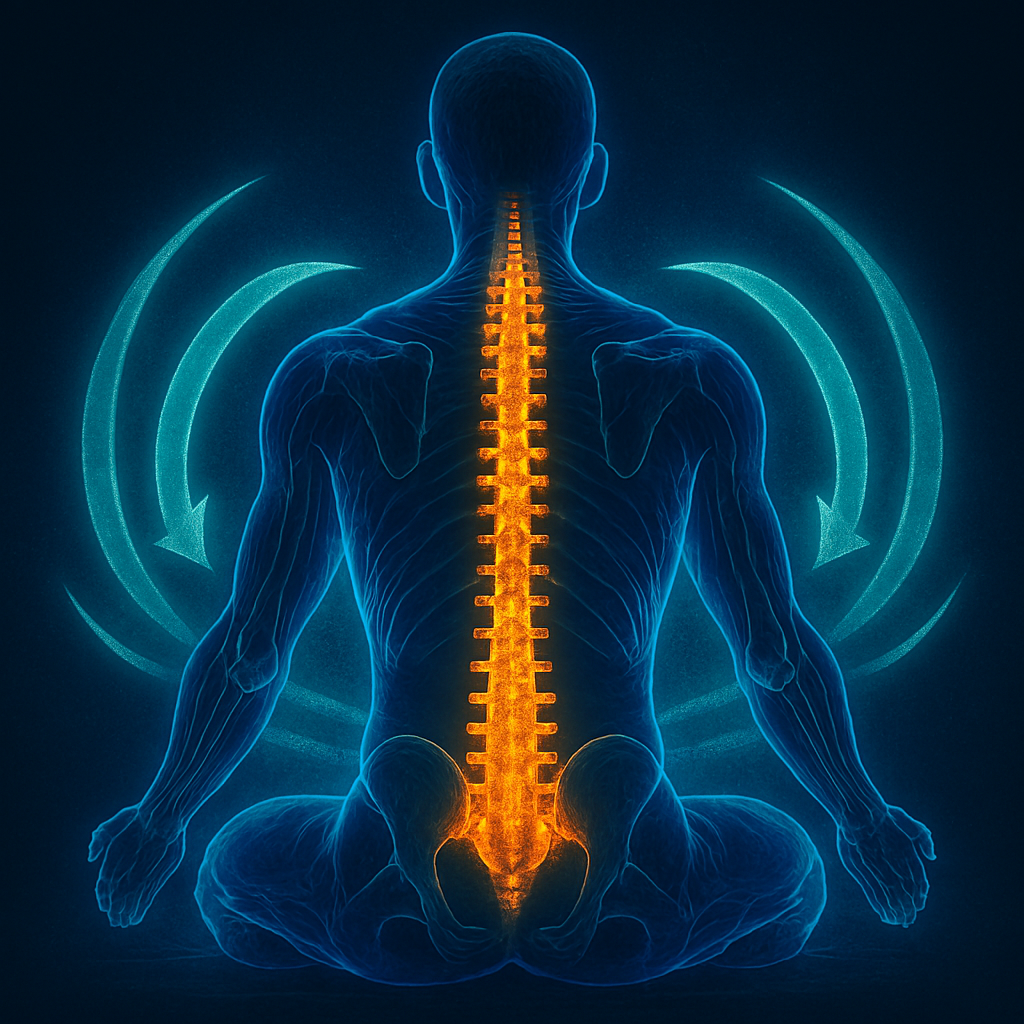
Conclusion: Alignment as the Foundation of Spinal Health
Pain relief is not just about reducing symptoms; it’s about fixing the underlying mechanics that cause pain in the first place. Spinal decompression therapy offers a scientifically grounded method for restoring proper alignment by:
- Reducing compression on discs and nerves
- Creating space for natural healing
- Improving disc health and fluid exchange
- Supporting balanced muscle and ligament function
When used as part of a comprehensive treatment plan, spinal decompression can help patients regain alignment, reduce pain, and improve overall quality of life — without surgery or long-term drug dependency.