Root Causes of Spinal Pain: Understanding the Source to Find Lasting Relief
Spinal pain is one of the most widespread and disruptive health complaints today. Millions of people experience chronic back or neck pain at some point in their lives — from mild irritation to debilitating discomfort that affects daily routines, work, and emotional well‑being.
But while symptoms like aching, stiffness, or nerve pain are easy to recognize, the underlying causes of spinal pain are often complex and misunderstood. Addressing symptoms without identifying root causes often leads to temporary relief without real healing.
In this comprehensive guide, we explore the most common root causes of spinal pain and explain how modern interventions — including spinal decompression therapy — help support true recovery, not just symptom management.
Why Understanding Root Causes Matters
Treating spinal pain solely through painkillers or temporary fixes may help in the short term, but it does little to correct the actual problem. When the root cause is identified and addressed:
- Pain relief becomes more predictable
- Function and mobility improve
- The risk of recurrence drops
- Long‑term spinal health increases
Instead of masking pain, effective treatment must identify why the pain exists in the first place.
Anatomy of the Spine: A Quick Overview
The spine is made up of:
- Vertebrae – the backbone bones
- Intervertebral discs – shock‑absorbing cushions between vertebrae
- Facet joints – connecting bones that allow movement
- Ligaments and muscles – supporting stability
- Spinal nerves – transmitting signals between the brain and body
This intricate structure enables motion, protects the spinal cord, and supports body weight — but it can also be sensitive to stress, injury, and imbalance.
How Spinal Decompression Supports Long‑Term Spinal Health
Here’s how decompression directly addresses the underlying causes of pain:
Reduces Disc Pressure
Gentle traction creates negative pressure inside discs, allowing bulging material to retract and reducing nerve irritation.
Improves Disc Hydration
Negative pressure enhances fluid and nutrient exchange — supporting natural healing and flexible disc function.
Relieves Nerve Compression
By increasing space around nerve roots, decompression may reduce radiating pain and numbness.
Helps Restore Spinal Alignment
Targeted treatment helps balance spinal posture and reduce uneven stress on joints and muscles.
Enhances Mobility
Patients often experience increased flexibility and less stiffness after treatment.
Disc Dysfunction: Herniated or Degenerated Discs
One of the most common root causes of spinal pain involves the spinal discs.
What Happens?
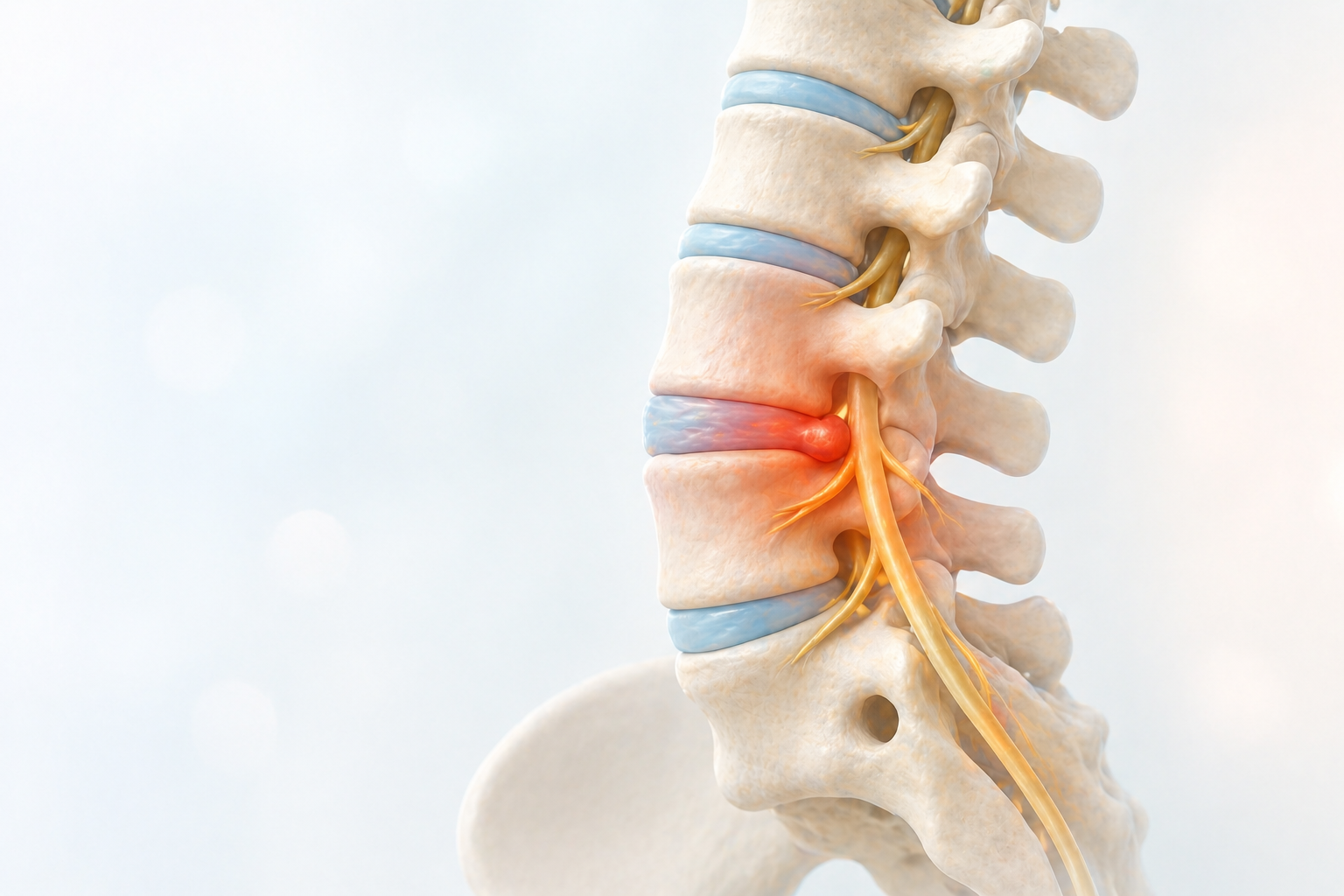
Intervertebral discs absorb shock and allow movement between vertebrae. When discs become compressed:
- They can bulge or herniate
- They lose hydration and elasticity
- They press on nearby nerves
This results in pain, inflammation, and nerve irritation.
Why It Matters
Disc compression is a leading source of chronic neck and back pain, especially when nerve roots become irritated — a condition often associated with sciatica or radiating limb pain.
Poor Posture and Spinal Imbalance
In today’s modern lifestyle — with long hours of sitting, working at computers, or staring at screens — poor posture has become a major contributor to spinal pain.
How Posture Affects the Spine
Slouching, forward head posture, rounded shoulders, and prolonged sitting:
- Increase disc pressure
- Create muscle tension
- Distort natural spinal curves
- Lead to compensatory movement patterns
Over time, these imbalances stress spinal tissues and lead to chronic pain.
Degenerative Changes and Aging
As people age, spinal structures naturally undergo degeneration:
- Discs lose water content
- Bones develop arthritis
- Facet joints stiffen
- Ligaments thicken
These age‑related changes can narrow spaces where nerves travel (spinal stenosis) and reduce shock‑absorbing ability — contributing to chronic pain and stiffness.
Injuries and Traumatic Events
Some individuals have structural deviations that predispose them to spinal pain:
- Scoliosis (sideways curvature of the spine)
- Kyphosis (excessive upper back rounding)
- Lordosis (excessive lower back curvature)
These structural shifts affect distribution of pressure and may accelerate degeneration without proper care.
Repetitive Stress and Overuse
Many forms of daily life involve repetitive motion — whether lifting, bending, twisting, or sitting — and this can lead to microdamage over time.
Repetitive stress contributes to:
- Disc wear
- Tendon or ligament strain
- Facet joint irritation
Without corrective strategies, these repetitive stresses can develop into persistent spinal pain.
How Modern Treatments Address Root Causes
Many traditional treatments focus only on reducing symptoms. However, addressing root causes requires therapies that restore structural balance and improve spinal function.
One such modern approach is spinal decompression therapy.
Spinal Nerve Compression
When nerve roots are pinched by discs, bone spurs, or joint degeneration, spinal nerve compression occurs.
Common Sources
- Herniated discs pressing on nerves
- Narrowed spinal canals (spinal stenosis)
- Bone spurs from arthritis
- Thickened ligaments
Symptoms
- Sharp or shooting pain
- Numbness or tingling
- Weakness in limbs
- Pain radiating into arms or legs
Nerve compression can be a signal of structural imbalance that needs precise care rather than simple pain relief.
Muscle and Ligament Strain
Not all spinal pain originates from bones or discs. Muscles and ligaments play a large role in supporting the spine.
Common Causes
- Overexertion or lifting heavy objects incorrectly
- Repetitive movements in daily activities or sports
- Sudden trauma from falls or accidents
- Weak supportive muscles
When muscles and ligaments are strained, they tighten and inflame — creating pain and limiting mobility.
Spinal Stenosis
Spinal stenosis refers to narrowing of the spinal canal — often caused by degenerative changes.
What Happens?
As the spinal canal narrows, it compresses the spinal cord and nerve roots, causing symptoms such as:
- Pain while walking
- Cramping or numbness in legs
- Difficulty standing upright for long periods
Stenosis typically develops slowly and worsens without targeted management.
Injuries and Traumatic Events
Acute injuries — such as falls, car accidents, or sports trauma — can instantly disrupt spinal alignment, damage discs, or injure soft tissues.
Even after healing, scar tissue and altered movement patterns may lead to chronic pain years later.
Weak Core Stability
A strong core — including abdominal and back muscles — supports spinal alignment.
When core muscles are weak:
- The spine relies more on passive structures (discs, ligaments)
- Pressure increases in spinal segments
- Pain becomes more likely with activity
Strengthening core muscles is a fundamental part of both prevention and recovery.
What Is Spinal Decompression Therapy?
Spinal decompression is a non‑surgical therapy that uses gentle traction to:
- Reduce pressure inside spinal discs
- Encourage rehydration and nutrient exchange
- Relieve nerve compression
- Improve alignment and motion
By restoring proper disc function and promoting spinal balance, decompression supports healing at the source.
Unlike surgery, it doesn’t remove tissue — it facilitates the body’s natural repair processes.
Lifestyle and Preventive Strategies
While therapies like spinal decompression are powerful, stable long‑term results also require healthy habits:
- Maintain good posture throughout the day
- Perform core strengthening exercises
- Use ergonomic furniture and proper body mechanics
- Stay active with low‑impact movement (e.g., walking, swimming)
- Stretch regularly — especially after prolonged sitting
- Avoid heavy lifting without stabilization
These habits reduce stress on spinal tissues and support overall spinal health.
When to Seek Help
You should consult a healthcare professional if:
- Pain persists beyond a few weeks
- Symptoms include numbness or weakness
- Pain limits daily activities
- There are changes in bladder or bowel function
- Pain radiates into arms or legs
Early intervention often leads to better outcomes.
Conclusion
Spinal pain is a multifaceted problem with many underlying causes — from disc compression and nerve irritation to structural imbalance and aging. Simply treating symptoms without identifying root causes often results in short‑lived relief.
By understanding the true drivers of spinal pain, you can pursue informed, effective treatment plans that promote lasting healing. Approaches such as spinal decompression therapy offer targeted, non‑invasive ways to address the source of pain — reducing pressure, improving alignment, and restoring spinal function.
When combined with lifestyle improvements and guided care, lasting relief is possible — without unnecessary surgery or prolonged discomfort.