Seek Relief From Lower Back Pain: Effective Ways to Restore Comfort and Mobility
Lower back pain is one of the most common health issues affecting people around the world. Whether it is caused by poor posture, long hours of sitting, heavy lifting, or an underlying spinal condition, lower back pain can interfere with everyday activities and reduce overall quality of life. From difficulty sitting at a desk to struggling with basic movements like bending or lifting, persistent back pain can become a serious obstacle to comfort and productivity.
Fortunately, there are many ways to seek relief from lower back pain. With the right combination of lifestyle changes, proper posture, exercise, and professional care, individuals can manage their pain effectively and prevent it from returning. Understanding the causes of lower back pain and learning about the available treatment options is the first step toward achieving lasting relief.
Understanding Lower Back Pain
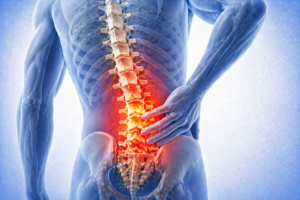
The lower back, also known as the lumbar region of the spine, plays a critical role in supporting the upper body and enabling movement. It consists of vertebrae, spinal discs, nerves, ligaments, and muscles that work together to provide stability and flexibility.
Because the lower back supports much of the body’s weight and allows for movement such as bending, twisting, and lifting, it is particularly vulnerable to strain and injury. Even small issues—like poor posture or repetitive movements—can lead to discomfort over time.
Lower back pain can range from mild muscle soreness to sharp or chronic pain that affects mobility. Some people experience occasional flare-ups, while others struggle with persistent pain that lasts for weeks or months.
Symptoms Associated With Lower Back Pain
Lower back pain does not feel the same for everyone. The symptoms may vary depending on the cause and severity of the condition.
Common symptoms include:
- Persistent aching or stiffness in the lower back
- Sharp or stabbing pain during movement
- Difficulty standing up straight
- Muscle spasms in the back
- Pain that worsens with prolonged sitting or standing
- Reduced flexibility or limited range of motion
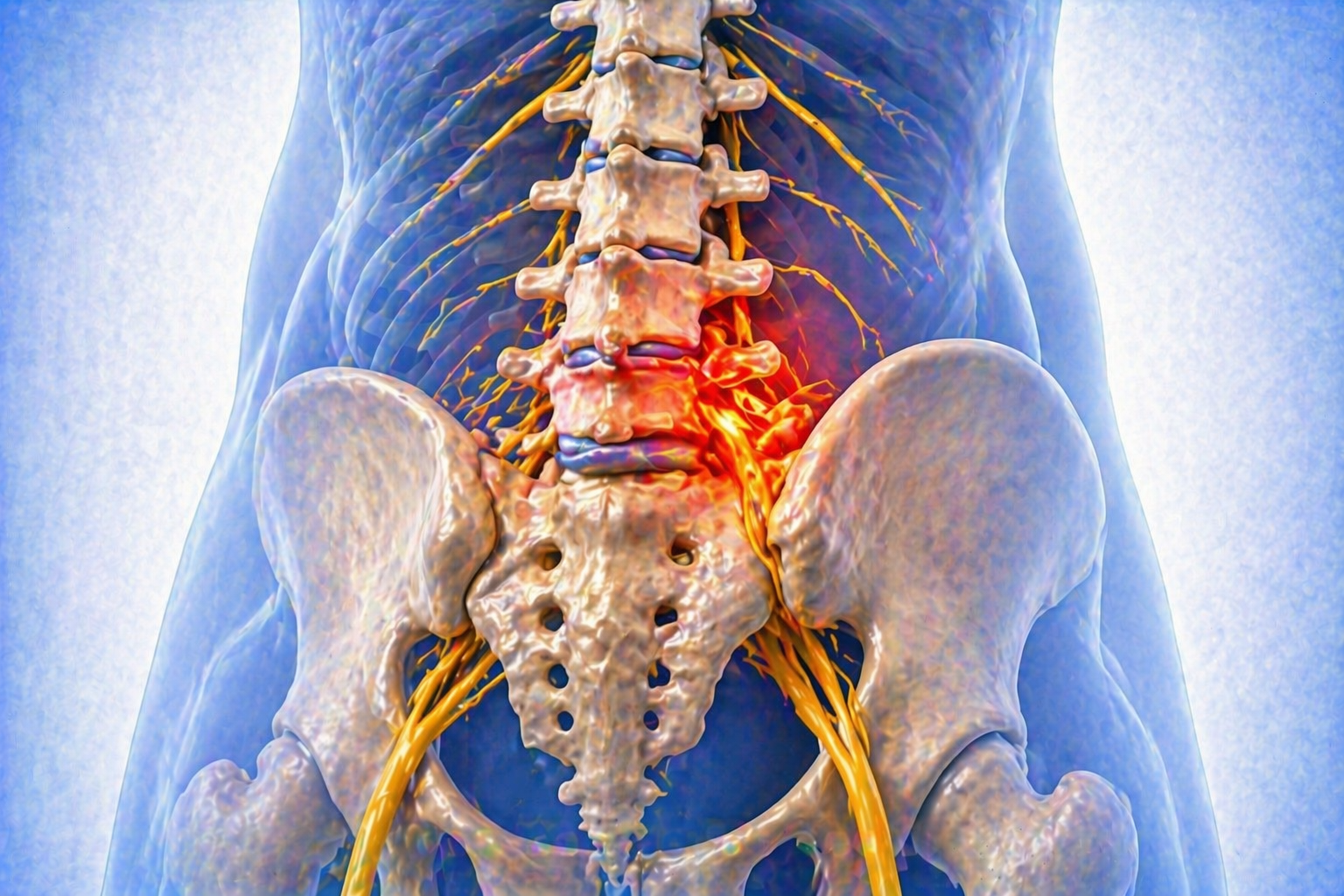
In some cases, lower back pain may also radiate to the hips, buttocks, or legs. This can occur when nerves in the spine become irritated or compressed.
Daily Habits That Can Worsen Back Pain
Many everyday habits contribute to the development or worsening of lower back pain. Identifying and correcting these habits can significantly improve spinal health.
1. Sitting for Long Periods
Prolonged sitting places pressure on the lower back and can weaken supportive muscles. Without proper support, the spine may shift out of its natural alignment.
2. Improper Lifting Techniques
Lifting heavy objects incorrectly—especially by bending the back instead of the knees—can strain muscles and injure the spine.
3. Sleeping on an Unsupportive Mattress
A mattress that does not properly support the spine can lead to poor sleeping posture and increased back pain.
4. Lack of Exercise
Regular physical activity helps strengthen the muscles that stabilize the spine. Without exercise, these muscles become weak and unable to support the body properly.
Common Causes of Lower Back Pain
Lower back pain can develop for many reasons. In some cases, it is the result of everyday habits, while in others it may stem from more serious spinal conditions.
Poor Posture
One of the leading causes of lower back pain is poor posture. Sitting for long periods with slouched shoulders or leaning forward places excessive stress on the lumbar spine. Over time, this strain can weaken muscles and cause discomfort. Poor posture is especially common among people who work at desks or spend long hours using computers or smartphones.
Muscle Strain
Muscle strains occur when the muscles or ligaments in the back are stretched or torn. This can happen due to sudden movements, heavy lifting, or overexertion during physical activities. Athletes and individuals who perform physically demanding work are particularly susceptible to muscle strains.
Herniated or Bulging Discs
Spinal discs act as cushions between the vertebrae. When a disc becomes damaged or bulges out of its normal position, it may press on nearby nerves. This can lead to pain in the lower back and sometimes radiating pain in the legs.
Degenerative Changes in the Spine
As people age, the structures in the spine gradually wear down. Conditions such as degenerative disc disease or arthritis can cause inflammation, stiffness, and pain in the lower back.
Sedentary Lifestyle
Lack of physical activity weakens the muscles that support the spine. Weak core and back muscles increase the risk of injury and make it harder for the spine to maintain proper alignment.
Injuries or Accidents
Falls, sports injuries, or car accidents can damage the muscles, ligaments, or discs in the lower back, leading to pain and restricted movement.
Effective Ways to Seek Relief From Lower Back Pain
While lower back pain can be frustrating, many treatments and strategies can help reduce discomfort and restore mobility.
1. Improve Your Posture
Maintaining good posture is essential for spinal health. When sitting, keep your back straight, shoulders relaxed, and feet flat on the floor. Your computer screen should be at eye level to prevent leaning forward.
Standing posture is equally important. Keep your weight evenly distributed on both feet and avoid slouching.
2. Stay Physically Active
Regular exercise is one of the best ways to relieve and prevent lower back pain. Activities such as walking, swimming, and yoga help strengthen the muscles that support the spine while improving flexibility.
Stretching exercises are particularly helpful for relieving tension in the lower back and surrounding muscles.
3. Strengthen Core Muscles
The core muscles—including the abdomen, hips, and lower back—play a key role in stabilizing the spine. Strengthening these muscles helps reduce strain on the lower back and improves overall posture.
Simple exercises such as planks, bridges, and pelvic tilts can make a significant difference over time.
4. Use Heat and Cold Therapy
Heat and cold treatments can provide temporary relief from lower back pain.
- Cold therapy helps reduce inflammation and swelling, especially after an injury.
- Heat therapy relaxes muscles and improves blood circulation, which promotes healing.
Applying a cold pack or heating pad for 15–20 minutes at a time can help ease discomfort.
5. Maintain a Healthy Weight
Excess body weight places additional stress on the spine and lower back muscles. Maintaining a healthy weight helps reduce pressure on the lumbar region and lowers the risk of chronic pain.
6. Seek Professional Care
If lower back pain persists or worsens, seeking professional care is important. Healthcare providers can assess the underlying cause and recommend appropriate treatments.
Treatment options may include physical therapy, chiropractic care, spinal decompression therapy, or other non-invasive approaches designed to relieve pressure on the spine and improve mobility.
Preventing Future Episodes of Lower Back Pain
Prevention is often the most effective strategy for maintaining long-term spinal health. By adopting healthy habits and making simple lifestyle changes, individuals can reduce the likelihood of experiencing recurring back pain.
Here are some helpful prevention tips:
- Maintain good posture throughout the day
- Exercise regularly to strengthen core and back muscles
- Avoid lifting heavy objects improperly
- Take frequent breaks when sitting for long periods
- Use supportive chairs and mattresses
- Stay active and avoid prolonged inactivity
Developing these habits not only protects the spine but also contributes to overall health and well-being.
When to Seek Medical Attention
Although many cases of lower back pain improve with self-care, certain symptoms require medical attention. It is important to consult a healthcare professional if:
- Pain lasts longer than a few weeks
- The pain is severe or worsening
- Numbness or tingling occurs in the legs
- Weakness affects the legs or feet
- Pain follows an injury or accident
Early diagnosis and treatment can prevent complications and ensure a faster recovery.
Conclusion
Lower back pain is a common yet manageable condition that affects people of all ages. Whether caused by poor posture, muscle strain, spinal issues, or lifestyle habits, it can disrupt daily life and limit physical activity.
The good news is that many effective strategies exist to seek relief from lower back pain. By improving posture, staying active, strengthening core muscles, and seeking professional care when necessary, individuals can reduce discomfort and regain mobility.
Taking proactive steps to protect spinal health today can lead to a more comfortable, active, and pain-free future. With the right approach, relief from lower back pain is not only possible—it is achievable.